Car Overheating What to Do – A Practical Guide for Drivers in Sydney
When your engine temperature rises suddenly or a dashboard warning light flashes on, knowing car overheating what to do can be the difference between a quick roadside fix and serious engine damage. In Sydney, overheating is a common issue—especially during summer heatwaves, stop-start traffic, and long idle times on busy roads like the M4, M5, and Parramatta Road. Many drivers try to push on for “just a few more minutes,” but that decision often turns a minor cooling problem into a costly engine repair running into thousands of dollars.
Car Overheating: What to Do to Prevent Engine Damage?
The first 5–10 minutes determine whether the engine survives without internal damage. Quick action reduces cylinder pressure, coolant boiling, and metal expansion.
Turn Off the Air Conditioning and Reduce Engine Load
Air conditioning forces the engine to work harder and increases heat generation. Turning it off immediately reduces strain on the cooling system. Gradually slow down, avoid overtaking, and keep RPMs low. Aggressive acceleration during overheating can spike cylinder temperatures enough to crack engine components.
Turn the Heater On to Pull Heat from the Engine
Setting the heater to full hot transfers heat from the engine into the cabin through the heater core. While uncomfortable, this can lower engine temperature by several degrees and delay escalation. Mechanics often recommend this as a short-term stabiliser, not a fix.
Safely Pull Over and Switch the Engine Off
As soon as it’s safe, pull over and turn the engine off. Idling while overheating continues heat buildup. Shutting the engine down stops combustion heat entirely and helps prevent warped cylinder heads and head gasket failure.
What NOT to Do When Your Car Is Overheating
Most serious damage happens because of panic reactions rather than the initial fault.
Do Not Open the Radiator Cap While Hot
The cooling system is pressurised. Opening the cap can release boiling coolant instantly, causing severe burns. Always wait until the engine has completely cooled.
Do Not Keep Driving With the Warning Light On
Temperature warning lights activate only after safe limits are exceeded. Continuing to drive allows internal components to expand unevenly, permanently damaging the engine.
Do Not Pour Cold Water on a Hot Engine
Sudden temperature shock can crack the engine block, radiator, or cylinder head and create leaks that didn’t exist before.So car overheating what to do must check first.
How Long to Wait Before Taking the Next Step?
Cooling time is critical for preventing repeat overheating.
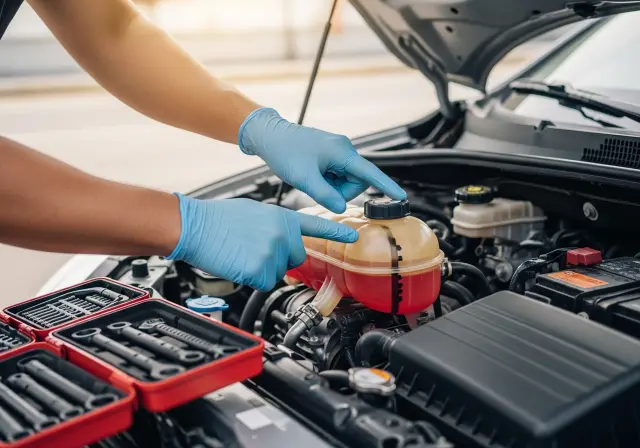
How Long to Let the Engine Cool Down
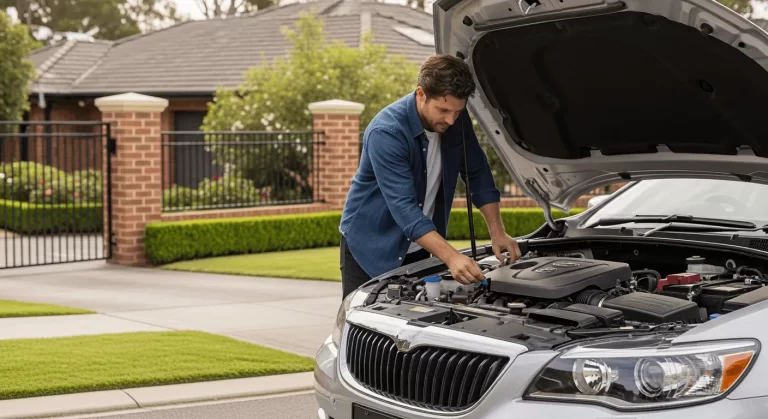
Wait at least 20–30 minutes with the bonnet open if it’s safe. In Sydney summer heat, engines may need 45 minutes or longer.
When It’s Safe to Restart the Car
Only restart when the temperature gauge is back to normal and remains stable for several minutes. If it rises again, shut the engine off immediately.
Signs the Car Is Still Unsafe to Drive
Coolant leaking, warning lights staying on, steam, or a burning smell indicate ongoing failure and the need for professional help.
Common Reasons Cars Overheat
Car Overheating what to do Identifying the causes help to determine whether driving is possible or towing is required.
Low Coolant or Coolant Leaks
Coolant transfers heat away from the engine. Even small leaks can cause rapid overheating, especially in traffic. Check and replace your coolant regularly as part of car maintenance checklist.
Radiator or Cooling Fan Failure
Cooling fans regulate temperature at low speeds. Fan failure explains why cars overheat in traffic but cool down at highway speeds.
Thermostat Problems
A stuck thermostat blocks coolant circulation and causes sudden overheating, often with little warning.
Overheating in Traffic or Hot Weather
High ambient temperatures and limited airflow overwhelm marginal cooling systems, especially during peak Sydney traffic.
Can You Drive an Overheated Car?
This decision has the biggest impact on repair costs.
When Short Driving May Be Possible
Only if the engine cools completely, coolant levels are correct, and the temperature remains stable. Drive slowly and stop immediately if the gauge rises.
When Driving Will Cause Engine Damage
If overheating repeats, steam appears, or power drops, driving can destroy the engine within minutes.
Warning Signs to Stop Immediately
Knocking noises, loss of power, strong coolant smell, or white exhaust smoke mean shut the engine off straight away.
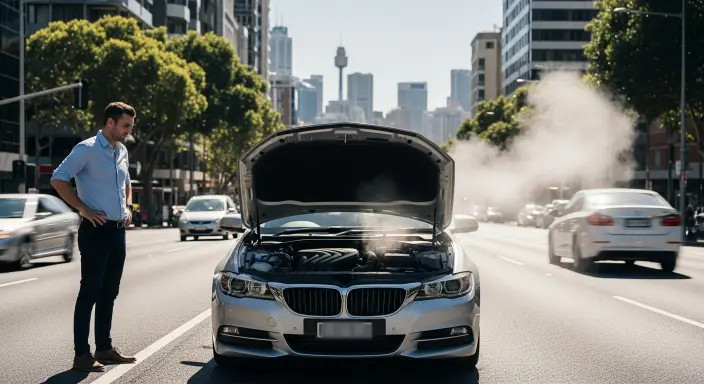
What to Do If Steam Is Coming From the Bonnet?
Steam indicates extreme heat or pressure failure.
How to Tell the Difference
Steam is white and dissipates quickly. Smoke lingers, smells burnt, and often points to oil or electrical issues.
Immediate Safety Steps to Take
Pull over safely, turn the engine off, keep clear of the bonnet, and stay visible to other drivers.
When to Call for Help
If steam continues after cooling or coolant is leaking, driving is unsafe and professional assistance is required.
Car Overheating what to do in Sydney Conditions
Local driving conditions increase overheating risk. so for car overheating what to do must keep in mind in this weather.
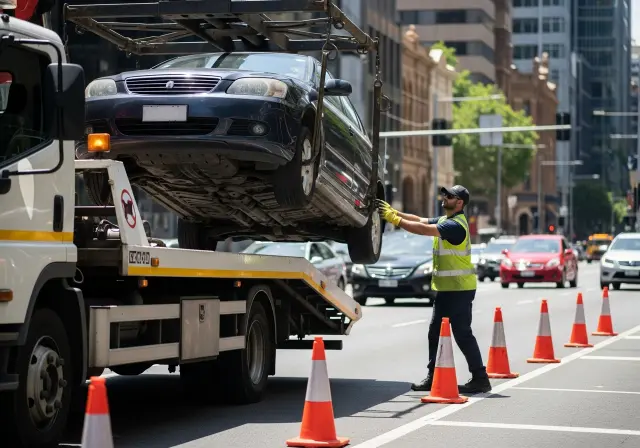
Overheating in Summer Heatwaves
Heatwaves push cooling systems beyond their limits, especially in older vehicles.
Stop-Start Traffic and Long Idling Risks
Congestion reduces airflow and places heavy reliance on cooling fans.
Breakdown Safety on Busy Sydney Roads
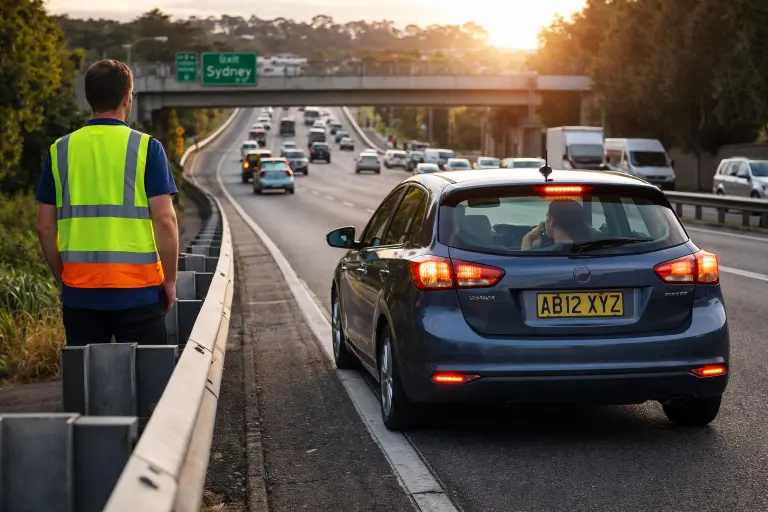
On motorways, remain inside the vehicle if unsafe to exit and call roadside assistance immediately.
When to Call Roadside Assistance or a Tow Truck
Knowing when to stop DIY prevents catastrophic costs.
Situations Where DIY Is No Longer Safe
Repeated overheating, visible coolant loss, or warning lights that won’t reset.
Signs of Serious Engine Damage
Milky engine oil, persistent white exhaust smoke, or overheating immediately after restart.
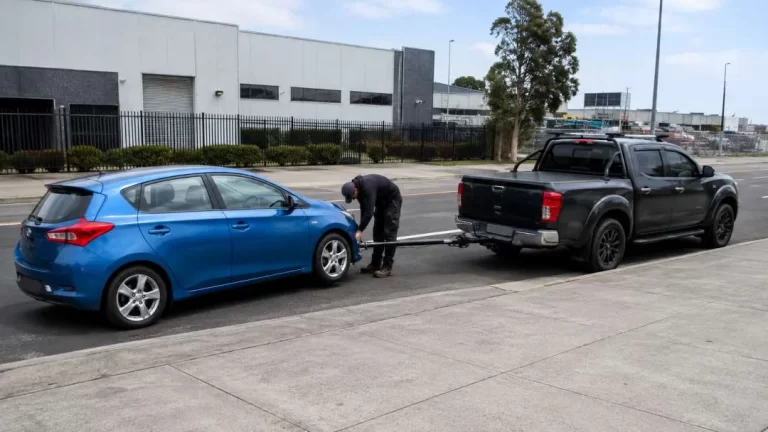
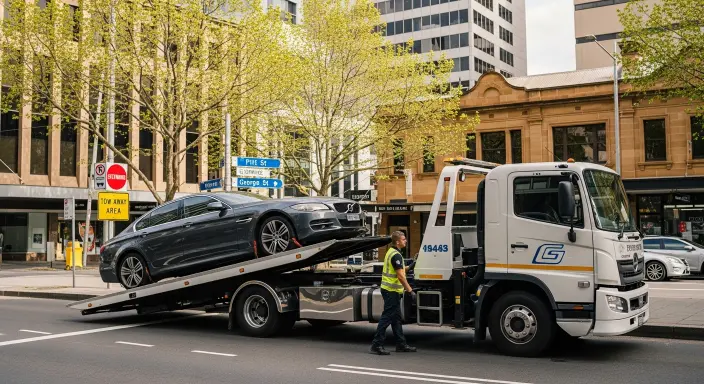
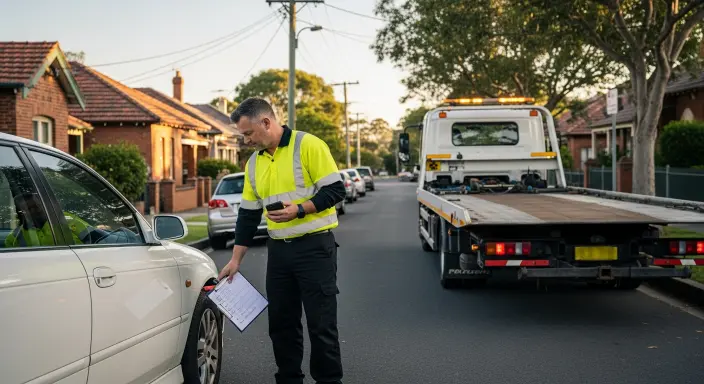
Emergency Towing for Overheated Cars in Sydney
Towing protects the engine and is almost always cheaper than internal engine repairs.
Tools, Safety, and Expert Advice
Carry coolant, gloves, and basic safety gear. Monitor the temperature gauge constantly. Mechanics recommend a full cooling system inspection after any overheating incident, even if the car appears to recover.Drivers can learn more about breakdown safety and roadside precautions .
Frequently Asked Questions
What should I do first if my car starts overheating?
Turn off the air conditioning and turn the heater on full hot. Slow down and pull over safely as soon as possible.
Can I drive my car if it overheated but seems fine now?
Only if it fully cools down and the temperature stays normal. Stop immediately if the gauge rises again.
How long should I wait before opening the bonnet?
Wait at least 20–30 minutes for the engine to cool completely. Opening it too soon can cause serious burns.
Is it safe to add water instead of coolant?
Water can be used only as a temporary emergency fix. Proper coolant is needed to prevent corrosion and repeat overheating.
What happens if I keep driving an overheating car?
Continuing to drive can warp the engine or blow the head gasket. Repairs can cost thousands of dollars.
Why does my car overheat only in traffic?
Low airflow and faulty cooling fans are common causes. Traffic and long idling increase engine heat quickly.
How much does it cost to tow an overheated car in Sydney?
Towing costs vary by distance and time, but it is usually far cheaper than engine repairs.
Should I call roadside assistance or a tow truck?
If overheating returns, steam appears, or warning lights stay on, towing is the safest option.
Conclusion – Act Early and Protect Your Engine
Understanding car overheating what to do allows Sydney drivers to act quickly, avoid costly repairs, and stay safe. When overheating occurs, stopping early and calling professionals almost always saves money and prevents long-term engine damage.
If your car is overheating now or keeps overheating, contact a trusted Sydney roadside assistance or towing service immediately.