Car Maintenance Checklist: A Complete Guide for Safe Driving
A car maintenance checklist is not about fixing cars — it is about preventing problems before they happen. In real-world driving, especially in Sydney, most vehicle breakdowns occur because of missed basic checks, not sudden mechanical failure. Low engine oil, worn tyres, weak batteries, and ignored warning lights account for the majority of roadside emergencies.
Many drivers assume that annual servicing is enough. In practice, servicing happens too late to catch everyday wear caused by traffic congestion, heat, short trips, and stop-start driving. A proper checklist fills this gap. It gives you control, reduces repair costs, improves safety, and significantly lowers the risk of being stranded.
What Is a Car Maintenance Checklist and Why It Matters
Difference Between Car Maintenance and Car Servicing
Car maintenance is preventive and continuous. It involves simple checks that help you detect early warning signs before they become serious. Car servicing is reactive and scheduled, performed by a mechanic at fixed intervals.
| Factor | Car Maintenance | Car Servicing |
| Goal | Prevent breakdowns | Repair and inspect |
| Responsibility | Vehicle owner | Licensed mechanic |
| Timing | Ongoing | Periodic |
| Cost impact | Very low | Medium to high |
| Failure prevention | Early-stage | Mid to late-stage |
Relying only on servicing is like visiting a doctor once a year but ignoring symptoms for months.
How a Checklist Prevents Breakdowns and Costly Repairs
Breakdowns rarely happen without warning. Engines overheat because coolant was low. Batteries fail because terminals corroded. Brakes fail because pads wore down unnoticed. A checklist forces consistency. It ensures small issues are noticed early, when repairs are cheap and quick.
For example, topping up engine oil costs little and takes minutes. Ignoring it can lead to engine seizure, towing, and thousands in repairs.
Who Should Use a Car Maintenance Checklist
This checklist is essential for:
- Daily commuters dealing with traffic congestion
- Drivers of older vehicles with higher wear rates
- New drivers lacking mechanical awareness
- Families planning long-distance travel
- Business vehicles that must stay operational
If your car is part of your daily life, a checklist is not optional.
Daily and Weekly Car Maintenance Checks
Visual Walkaround Safety Checks
A walkaround check helps identify visible problems before driving. Look for sagging tyres, fluid puddles, cracked lights, loose bumpers, or damage from kerbs. These checks prevent accidents and roadside fines and take less than a minute.
Dashboard Warning Lights to Never Ignore
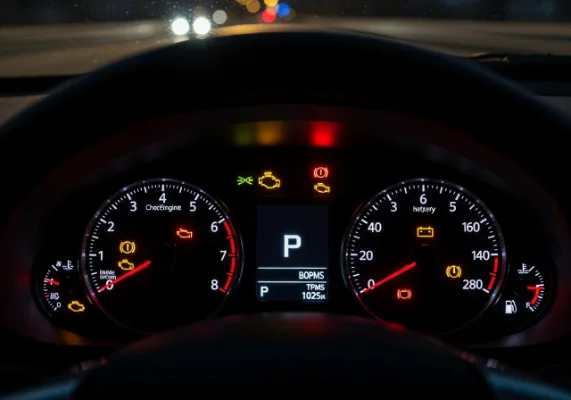
Dashboard lights are early warning systems. Engine, brake, oil, battery, and temperature lights indicate conditions that can escalate quickly. Continuing to drive with warning lights often leads to breakdowns in high-traffic areas, increasing safety risks and towing costs.
Tyres, Wipers, and Exterior Lights
Tyres affect braking, steering, and fuel efficiency. Wipers affect visibility in rain. Lights ensure other drivers see you. Any failure in these areas increases accident risk, especially during night driving or poor weather.
Fluid Leaks and Unusual Smells
Fresh oil spots, coolant drips, or burning smells are never normal. These signals usually appear before mechanical failure. Early detection prevents severe engine or brake damage.
Monthly Car Maintenance Checklist
Tyre Pressure and Tread Depth
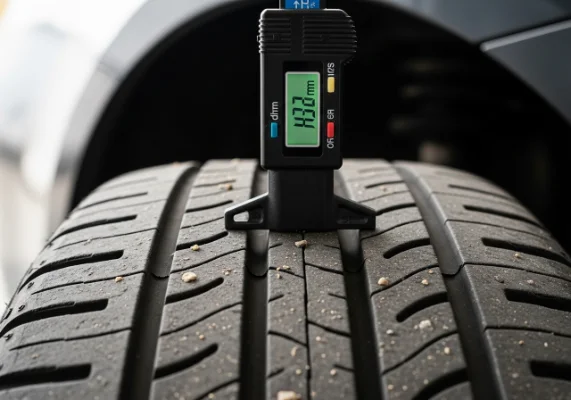
Underinflated tyres wear unevenly, increase fuel consumption, and reduce braking efficiency. Overinflation reduces traction. Monthly checks keep tyres legal, safe, and long-lasting.
Engine Oil Level and Condition
Oil lubricates and cools engine components. Low or dirty oil accelerates wear, increases heat, and leads to engine failure. Monthly checks significantly extend engine life.
Coolant, Brake Fluid, and Washer Fluid
Coolant prevents overheating, brake fluid ensures stopping power, and washer fluid maintains visibility. Low fluid levels often indicate leaks, which worsen quickly if ignored.
Battery Condition and Terminals
Batteries degrade faster in hot climates like Sydney. Corrosion on terminals disrupts electrical flow and causes starting problems. Monthly checks reduce sudden battery failure.
3-Month or 5,000 km Maintenance Checks
Air Filter Inspection
A clogged air filter restricts airflow, reducing performance and increasing fuel use. Replacing it improves efficiency and engine health.
Brake Performance and Noises
Brake noises indicate wear. Squealing usually means worn pads; grinding indicates metal-on-metal contact. Ignoring these signs increases stopping distance and repair costs.
Steering and Suspension Warning Signs
Vibration, pulling, or instability indicates alignment or suspension problems. These issues worsen rapidly and compromise safety if ignored.
Drive Belts and Hoses
Belts and hoses deteriorate with heat and age. A snapped belt can disable the engine instantly, leading to towing.
6-Month or Seasonal Car Maintenance Checklist
Wheel Alignment and Balancing
Misalignment causes rapid tyre wear and unstable handling. Regular correction improves safety and tyre lifespan.
Brake Pad and Rotor Wear
Pads wear down over time. Replacing them early prevents rotor damage and maintains braking efficiency.
Battery Health in Hot Weather
Heat accelerates battery failure. Many summer breakdowns result from weakened batteries that showed early warning signs months earlier.
Air Conditioning Performance
Poor cooling reduces comfort and strains the compressor. Early repair avoids major system failure.
Annual Car Maintenance Check
Full Engine Inspection
Unusual noises, vibrations, or delayed starts signal developing issues. Annual checks help identify long-term wear patterns.
Transmission and Differential Fluids
Old fluid leads to rough shifting and internal wear. Annual checks prevent expensive transmission failure.
Exhaust System and Emissions
Leaks reduce fuel efficiency and expose occupants to harmful gases. Any unusual noise or smell should be addressed immediately.
Suspension, Bushings, and Shock Absorbers
Worn suspension reduces control and increases braking distance. Annual inspection maintains ride safety and comfort.
Pre-Trip Car Maintenance Check (Before Long Drives)
Tyres and Spare Wheel Check
Long drives stress tyres. A flat spare or missing tools can leave you stranded.
Brake and Steering Safety Review
Minor issues become dangerous at highway speeds. Fixing them before travel prevents accidents.
Emergency Kit and Tools
An emergency kit provides safety and visibility while waiting for assistance.
Fuel, Fluids, and Cooling System
Overheating and fuel shortages are leading causes of highway breakdowns.
Common Car Maintenance Mistakes Drivers Make
Ignoring Warning Lights
Drivers often delay action until the vehicle stops completely, resulting in towing and higher repair costs.
Skipping Fluid Checks
Low fluids cause engine overheating, brake failure, and irreversible damage.
Delaying Minor Repairs
Small, affordable fixes turn into major repairs when ignored.
Relying Only on Annual Servicing
Annual servicing alone cannot catch daily wear and tear.
DIY Car Maintenance vs Professional Inspection
What You Can Safely Do Yourself
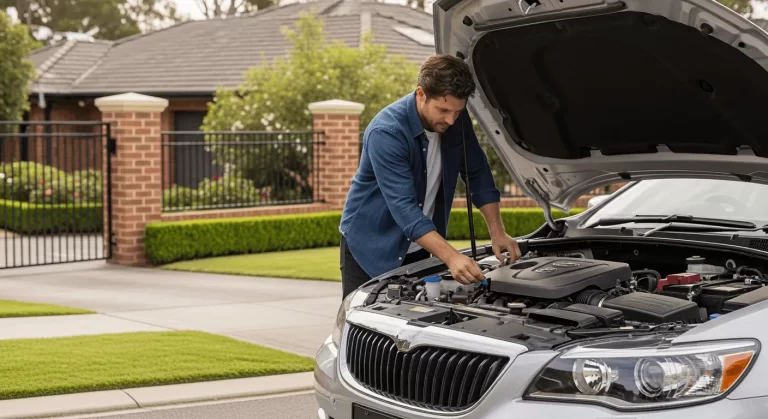
Basic inspections, fluid checks, and battery care are safe for most drivers.
What Requires a Mechanic
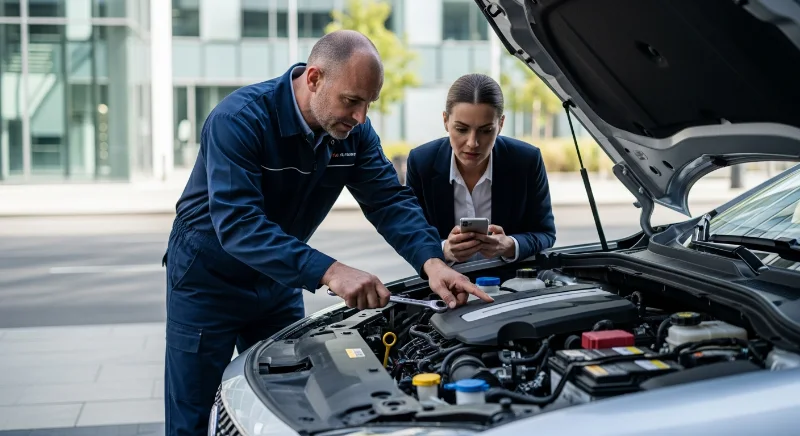
Brake systems, suspension, transmission, and engine diagnostics require professional tools and expertise.
Risks of Improper DIY Maintenance
Incorrect repairs compromise safety and increase long-term costs.
Cost Comparison: DIY vs Professional
| Task | DIY Cost | Professional Cost |
| Oil top-up | Low | Medium |
| Brake pads | Risky | Higher but safer |
| Battery replacement | Medium | Medium |
When Car Maintenance Is Not Enough
Signs Your Car Is Unsafe to Drive
Loss of braking, steering control, or overheating requires immediate action.
Breakdown Warning Signs
Burning smells, knocking sounds, and power loss indicate serious problems.
When to Stop Driving Immediately
Continuing to drive risks engine failure or accidents.
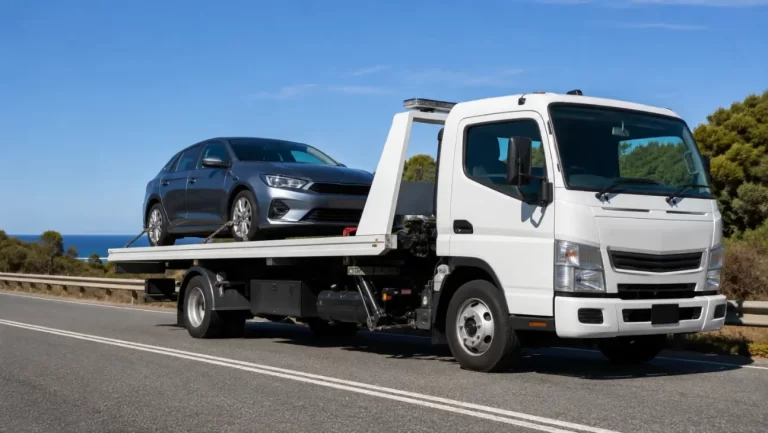
When to Call Roadside Assistance or Towing
If the car cannot be driven safely, towing prevents further damage and ensures safety.
Car Maintenance Checklist for Sydney Drivers
Sydney Traffic and Stop-Start Driving Impact
Frequent stopping accelerates brake and transmission wear.
Heat-Related Battery and Cooling Issues
Sydney heat shortens battery life and stresses cooling systems.
NSW Roadworthiness and Inspection Readiness
Poor maintenance increases inspection failure risk.
Urban Driving Wear and Tear
Potholes and congestion accelerate suspension damage.
Frequently Asked Questions
How often should I follow a car maintenance checklist?
Do quick visual and dashboard checks weekly. Perform a full detailed checklist once a month to catch issues early.
Can a car maintenance check replace professional servicing?
No, it only supports regular servicing. Mechanics perform inspections and repairs that DIY cannot cover.
What happens if I skip regular car maintenance?
Small issues can turn into major problems. This increases breakdown risk, repair costs, and safety hazards.
Is car maintenance different for older vehicles?
Yes, older vehicles wear faster. They require more frequent inspections of fluids, brakes, and belts.
How long does a basic car maintenance check take?
Most checks take around 10–20 minutes. Simple visual inspections and fluid monitoring are quick to perform.
Conclusion:
A detailed car maintenance checklist transforms car ownership from reactive to preventive. Regular checks reduce costs, improve safety, and prevent roadside emergencies.
If warning signs appear, stop driving and seek professional help immediately.