
What to Do If Car Breaks Down in Sydney: A Practical Driver Guide
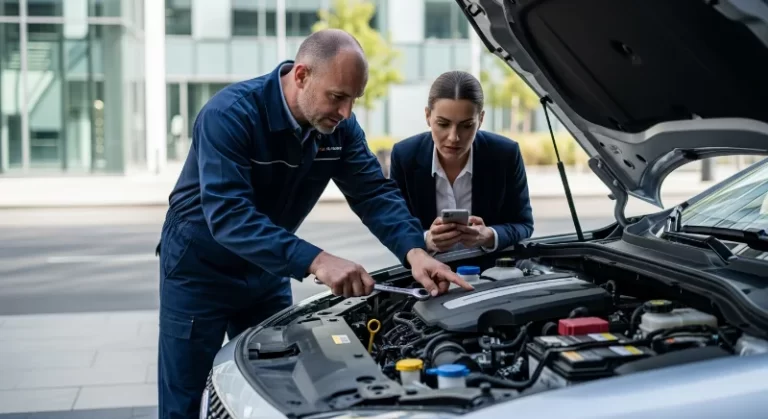
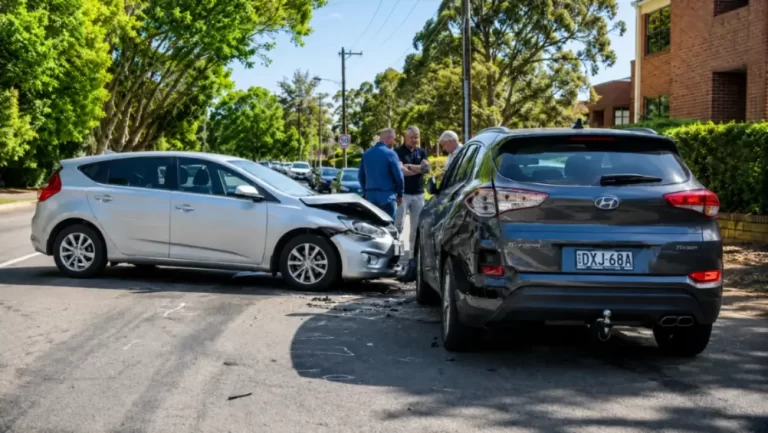
A vehicle can break down without much warning, whether you are travelling to work, driving through the Sydney suburbs or heading out on a longer journey. Knowing what to do if car breaks down can help you make safer decisions, avoid unnecessary vehicle damage and arrange suitable assistance.
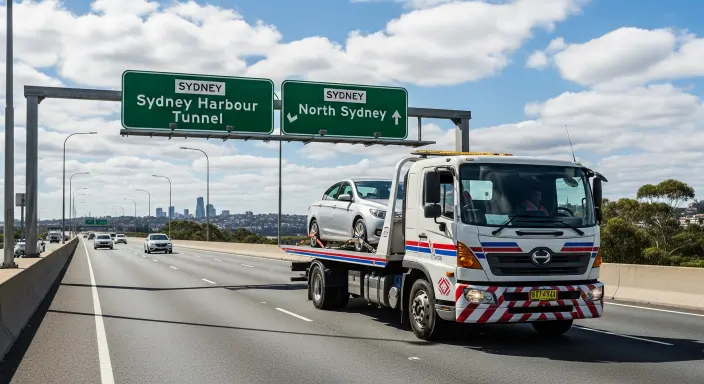
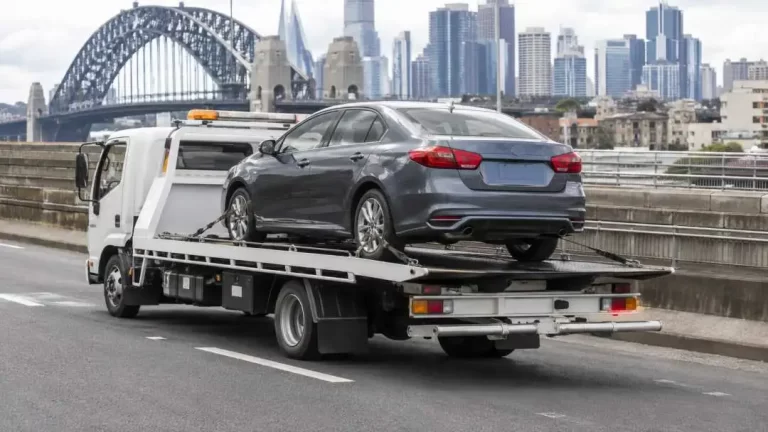
If the problem cannot be fixed safely where the vehicle has stopped, Sydney Towing can help transport it to a workshop, home or another requested destination. Before arranging towing, your first priority should be getting yourself, your passengers and the vehicle into the safest position available.
What to Do Immediately When Your Car Breaks Down
The first few minutes after a breakdown are important because traffic, vehicle condition and location can quickly make the situation more difficult. Stay calm and avoid making sudden decisions simply because you want to get the vehicle moving again.
If steering, braking, engine temperature or tyre condition has been affected, forcing the car to continue may cause additional problems. Focus on safety first and diagnose the mechanical issue later.
Move the Vehicle Away From Traffic
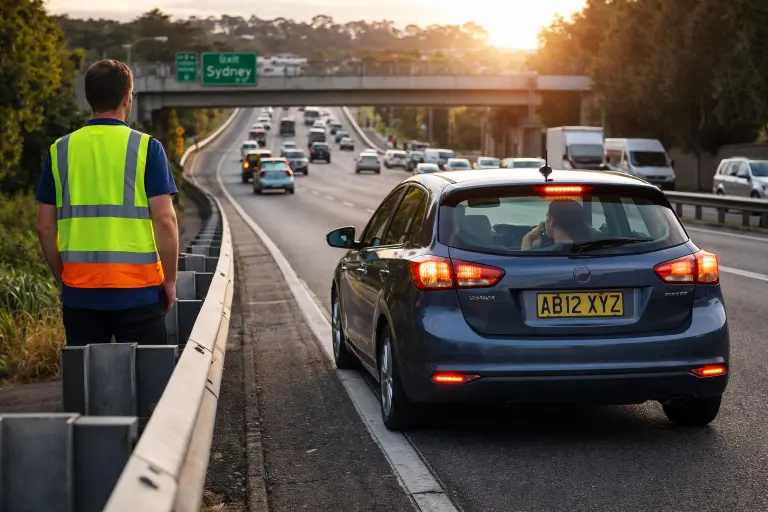
If the car can still move normally, carefully guide it towards the side of the road, a breakdown area or another safe stopping point. Try to leave enough room between your vehicle and passing traffic.
Once stopped, apply the parking brake and turn on the hazard lights. Avoid stopping around blind corners, intersections or other locations where approaching drivers may have difficulty seeing the vehicle.
Decide Whether It Is Safe to Leave the Car
Whether you should remain inside depends on the road and traffic conditions. On a busy or high-speed road, getting out beside moving vehicles can sometimes create more risk.
If you do leave the vehicle, check approaching traffic carefully and move to a safer area away from the roadway. Keep passengers together and avoid standing directly behind or beside the car.
Contact Assistance
Once everyone is safe, decide whether the issue can be handled at the roadside. A battery problem or straightforward tyre issue may need only minor assistance, while serious mechanical problems may require emergency towing.
When calling for help, provide your exact location, vehicle make and model and a simple explanation of what happened. This helps the operator prepare the right equipment before arriving.
Car Broken Down Safety Tips for Different Locations
The safest response depends heavily on where the vehicle stops. A breakdown on a quiet residential street is very different from one on a motorway, narrow road or underground car park.
These car broken down safety tips can help you adjust your response to the surroundings.
| Breakdown location | Main priority | Important consideration |
|---|---|---|
| Residential street | Move clear of normal traffic | Avoid blocking driveways |
| Busy main road | Create distance from passing vehicles | Use hazard lights |
| Motorway | Reach the shoulder where possible | Avoid standing near traffic |
| Underground car park | Check space and clearance | Tell the towing company |
| Rural road | Stop where the car can be seen | Avoid bends and crests |
Busy Roads and Motorways
If the car begins developing problems while you are travelling at speed, move towards a safer stopping area while the vehicle is still controllable. Do not wait until the engine completely stops if warning signs already indicate a serious problem.
Once positioned, turn on the hazard lights and avoid working on the traffic-facing side of the vehicle. A repair that may be simple in a driveway can be unsafe beside fast-moving vehicles.
Underground Car Parks
Breakdowns inside garages and underground parking areas can create access problems for towing equipment. Entrance height, ramps, narrow corners and parked vehicles can all affect how the car is collected.
Tell the towing provider about these conditions before dispatch. Where suitable, tilt tray towing or another transport arrangement may be considered depending on the available access.
Residential Streets
Residential breakdowns generally provide more time to assess the vehicle. However, the car should still be positioned so it does not unnecessarily obstruct other road users or neighbouring properties.
If the vehicle is inside a garage or driveway, clear surrounding objects where possible. Giving the tow truck enough room to approach can make collection easier.
Common Reasons for Car Breakdowns
Understanding the reasons for car breakdowns can make it easier to recognise whether you have a minor roadside problem or something that requires professional transport. Some faults appear gradually, while others can stop the vehicle almost immediately.
Regular servicing can reduce the chance of certain problems, but even a well-maintained vehicle can experience a battery, tyre, electrical or mechanical issue.
Flat Battery
A weak battery may cause slow engine cranking, dim lights or repeated clicking when you attempt to start the vehicle. In some cases, the car may show no response at all.
A straightforward battery problem may be resolved with a jump start service. If the vehicle starts but repeatedly loses power, the battery or charging system may need further inspection.
Flat or Damaged Tyre
A puncture can sometimes be managed with a spare tyre when the vehicle is stopped somewhere safe. More serious tyre or wheel damage may prevent the car from travelling normally.
Professional flat tyre assistance may be useful when there is no suitable spare, the wheel is damaged or changing the tyre beside the road would be unsafe.
Engine Overheating
A rising temperature gauge, warning light, steam or coolant smell can indicate overheating. Continuing to drive can turn a relatively manageable cooling problem into more serious engine damage.
Move the vehicle to a safe location while it is still controllable and switch off the engine. Allow the vehicle to cool before further inspection.
Fuel Problems
Running out of fuel is an avoidable breakdown, but it can still happen when drivers misjudge distance or fuel consumption. A failed fuel gauge can also make it difficult to know exactly how much fuel remains.
Where appropriate, roadside fuel assistance may get the vehicle moving again. Other fuel-system problems can require mechanical diagnosis.
Electrical Problems
Modern vehicles depend on electrical systems for starting, ignition, sensors and many other functions. A fault can cause warning lights, intermittent starting or sudden loss of electrical power.
If the car repeatedly stops or will not remain running, towing it to a workshop may be more practical than repeatedly trying to restart it.
Mechanical or Transmission Failure
Grinding, knocking, sudden loss of drive or a transmission that will not engage are signs that the vehicle may need professional inspection. Continuing to drive can sometimes place additional stress on already damaged components.
If you are unsure about the severity of the problem, avoiding further driving is usually the safer approach.
When Should You Stop Driving?
Understanding what to do if car breaks down also means knowing when the vehicle should no longer be driven. A car does not need to become completely immobile before towing becomes appropriate.
Warning signs that should not be ignored include:
- Steering becoming difficult or unpredictable
- Reduced braking performance
- Rising engine temperature
- Serious tyre or wheel damage
- Significant fluid leaks
- Transmission problems
- Grinding or knocking sounds
- Multiple warning lights
- Strong vibration
- Sudden loss of power
If the car cannot operate normally, professional car towing can transport it without requiring you to continue driving to a workshop.
Emergency Towing Situations
Some emergency towing situations need faster attention because the vehicle’s location or condition creates an immediate problem. A minor mechanical issue can become much more serious when the car is stopped in a busy traffic lane or another exposed location.
The priority should be moving yourself away from danger and arranging suitable help rather than trying to repair the vehicle in an unsafe environment.
Vehicle Cannot Move From the Road
A car may stop in a position where it cannot be restarted or pushed safely. Problems with the transmission, engine or electrical system can leave the vehicle completely immobile.
Use hazard lights and explain the exact location when requesting assistance. Clear location details can help the towing operator find you more quickly.
Wheels or Steering Are Locked
Locked wheels, seized brakes or steering problems can make normal loading difficult. A vehicle in this condition may require different equipment from one that rolls freely.
Mention these issues when arranging the tow. The operator can then prepare for the actual condition of the vehicle instead of discovering the problem after arrival.
Vehicle Stops in Poor Visibility
Rain, darkness and heavy traffic can make a roadside breakdown more difficult. Hazard lights become especially important because other road users need as much warning as possible.
Avoid standing in areas where approaching vehicles may not see you clearly. Wait in the safest available position until assistance arrives.
What Information Should You Give the Towing Company?
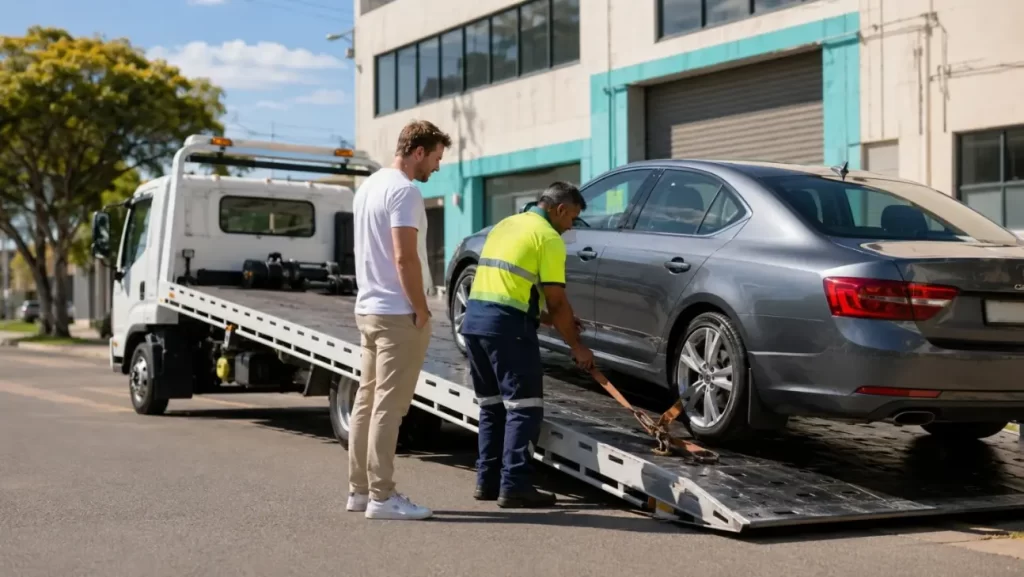
Giving accurate information can reduce delays and help the towing company select appropriate equipment. You do not need to know exactly what has failed mechanically; describe what the vehicle is doing instead.
Useful information includes:
- Exact pickup location
- Vehicle make and model
- Whether the engine starts
- Whether the car rolls freely
- Whether the steering operates
- Tyre and wheel condition
- Whether the parking brake releases
- Whether the vehicle enters neutral
- Any visible fluid leaks
- Garage or height restrictions
- Requested delivery location
You should also mention lowered suspension, body modifications or unusually low ground clearance. These details may influence the loading angle and equipment required.
What Should You Keep in Your Car for a Breakdown?
A basic roadside kit cannot prevent every breakdown, but it can make waiting for assistance easier. Keep important items somewhere accessible rather than underneath heavy luggage.
Useful items include:
- Torch
- High-visibility vest
- Phone charger
- Portable power bank
- Drinking water
- Basic first-aid kit
- Tyre pressure gauge
- Vehicle handbook
- Emergency contact information
Check these items occasionally rather than forgetting about them after placing them in the vehicle. A flat power bank or torch with dead batteries will not be very useful when you actually need it.
How to Reduce the Risk of Future Breakdowns
Some breakdowns happen unexpectedly, but others develop because routine warning signs are ignored. Regular maintenance can help identify worn components before they fail completely.
Check tyre condition and pressure regularly, pay attention to warning lights and keep an eye on fluid levels. Changes in engine sound, steering, braking or starting should also be investigated rather than left until the vehicle stops.
Battery condition becomes especially important as the battery ages. If the engine begins cranking more slowly or electrical equipment behaves unusually, arranging an inspection early can help prevent an inconvenient breakdown.
What to Do If Your Car Cannot Be Fixed at the Roadside
Roadside assistance can resolve some minor problems, but serious engine, transmission, steering or electrical faults often need workshop equipment and proper diagnosis. If the vehicle is behaving unpredictably, continuing to drive may place extra strain on already affected components.
Problems involving steering, brakes, tyres or the driveline can also affect whether a vehicle is safe to move normally. These systems form part of recognised vehicle safety checks, so their condition should be considered before attempting further travel.
Before towing, explain whether the vehicle can roll, steer and enter neutral, as well as any warning lights or unusual behaviour. Accurate information helps the towing provider prepare suitable loading equipment and transport the vehicle directly to the requested workshop or repair location.
FAQs For What to Do If Car Breaks Down
What should I do first if my car breaks down?
Move the vehicle away from active traffic where it is safe to do so and switch on your hazard lights. Check your surroundings before deciding whether to remain inside or exit the vehicle.
What are the most common reasons for car breakdowns?
Common causes include flat batteries, damaged tyres, overheating, electrical faults, fuel problems and mechanical failure. Routine servicing can reduce the likelihood of some breakdowns.
Should I keep driving if a warning light appears?
It depends on the warning and how the vehicle is behaving. If steering, braking, temperature or engine performance changes significantly, stop somewhere safe and arrange professional assistance.
Can a flat battery be fixed at the roadside?
Many simple battery problems can be resolved with a jump start. Repeated battery failure may indicate a battery or charging-system problem that needs inspection.
When is emergency towing needed?
Emergency towing may be appropriate when the vehicle cannot move safely, is obstructing traffic or has serious mechanical, wheel or steering problems.
What should I tell the tow truck operator?
Provide the exact location, vehicle make and model, whether it starts and rolls, tyre condition, steering condition and any access restrictions.
Can I have my broken-down car taken directly to a workshop?
Yes. Confirm the requested destination when arranging the service so the vehicle can be transported directly to your preferred workshop or another suitable location.