Post Accident Checklist for Sydney Drivers: What to Do After a Crash?
A car crash can leave you shaken, distracted and unsure about what to do next. This post accident checklist gives Sydney drivers a clear order to follow, from checking for injuries to arranging safe vehicle recovery.
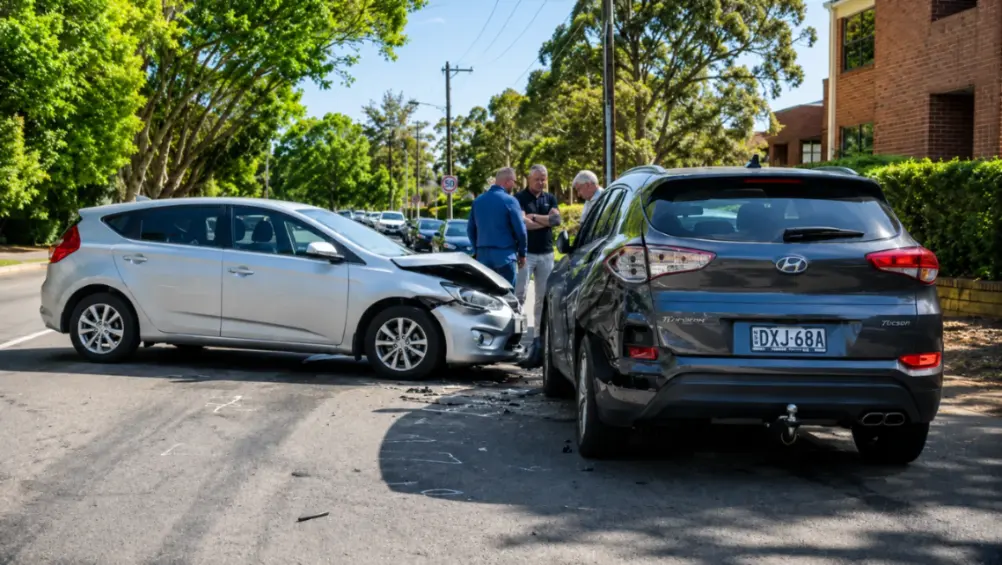
Your first priority is to protect people. Once everyone is away from immediate danger, collect the right details, record the scene and decide whether the vehicle can be driven safely. Calm, practical steps can make police reporting, insurance claims and repairs easier later.
Immediate Steps at the Crash Scene
The first few minutes after a crash are critical for protecting everyone involved and preventing further danger. Focus on injuries, traffic hazards and moving to a safer position only when it can be done safely.
Stop Safely and Check for Injuries
Stop as soon as it is safe, switch off the engine and turn on the hazard lights. Check yourself, your passengers and the people in the other vehicle for injuries.
Stay away from moving traffic, leaking fluids, smoke and broken glass. Do not stand between damaged vehicles, and do not place yourself at risk while trying to inspect the scene.
Call Triple Zero When Help Is Urgent
Call Triple Zero (000) if anyone is injured, trapped or in immediate danger. You should also call if a driver appears affected by drugs or alcohol, behaves aggressively, or creates an immediate risk to others.
Give the operator your exact location, the number of vehicles involved and details of any hazards. Follow their instructions while waiting for emergency services.
Move to a Safer Position When Possible
If no one is seriously injured and the vehicles can be moved safely, move them away from active traffic. Do not move a vehicle if serious damage, leaking fluids or unsafe road conditions make this risky.
Keep children, passengers and pets in a secure place away from traffic. Use warning equipment only when it can be placed without exposing you to further danger.
A Quick Post Accident Checklist to Save
Use this short plan after the immediate danger has passed:
- Stop, switch off the engine and turn on the hazard lights.
- Check for injuries and call 000 when required.
- Move away from traffic if it is safe.
- Exchange driver, owner and vehicle details.
- Take clear photos of the vehicles and the wider scene.
- Record the time, location, weather and road conditions.
- Collect contact details from witnesses.
- Check whether the vehicle is safe to drive.
- Arrange towing if the vehicle is damaged or unsafe.
- Report the crash to NSW Police when required.
- Contact your insurer and keep every receipt.
Save this post accident checklist on your phone or keep a printed copy in your glove box for quick access.
Information to Collect Before You Leave
Accurate information can make police reporting, insurance claims and vehicle repairs much easier. Before leaving, record the essential driver and vehicle details and gather clear evidence from the scene.
Exchange Driver and Vehicle Details
Record these essential details from every driver involved:
- Full name and residential address
- Vehicle registration number
- Name and address of the vehicle owner, if different from the driver
Also collect the following information when available:
- Phone number
- Driver licence number
- Vehicle make, model and colour
- Insurance company and policy details, when available
Check the spelling and numbers before leaving. Keep the conversation calm and factual. Avoid arguing about blame or making assumptions about who caused the crash.
Photograph the Scene and Damage
Take clear photos from several safe angles. Include:
- Damage to every vehicle involved
- Vehicle number plates
- The position of the vehicles
- Road signs, lane markings and traffic lights
- Debris, skid marks or damaged property
- Weather, lighting and road conditions
Take both close-up and wide photos so the damage and overall scene are easy to understand. Keep the original files and write a short factual note while the details are still fresh.
Record Witness Details
Ask independent witnesses for their name and phone number. Note where they were standing or driving when they saw the crash, and ask whether they have dashcam footage.
Do not pressure witnesses to give an opinion. Their contact details and factual observations may help your insurer or police later.
Check Whether the Vehicle Is Safe to Drive
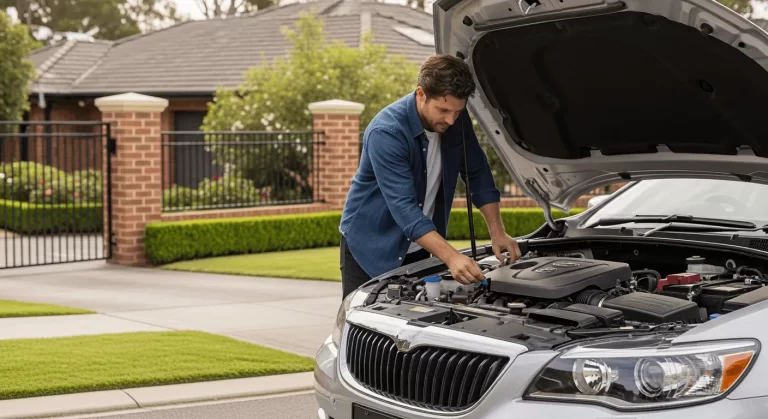
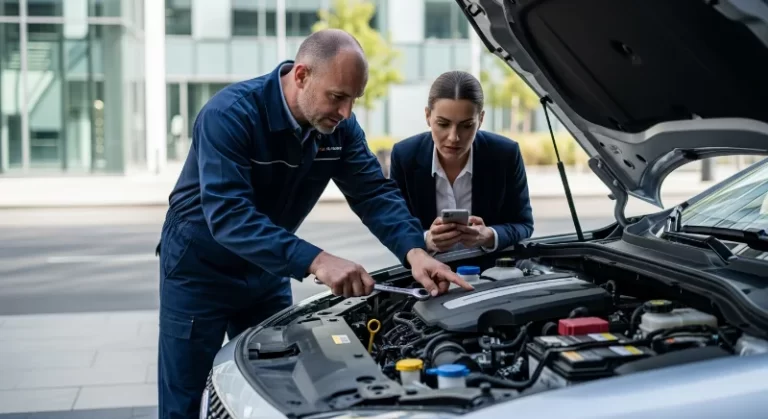
A vehicle may have hidden damage even when the impact appears minor. Check for problems affecting the brakes, steering, tyres, suspension, lights or bodywork before attempting to drive.
Look for Signs of Unsafe Damage
Do not drive if you are unsure about the vehicle’s condition. Arrange an inspection or tow when you notice:
- Brakes or steering are not working normally
- A tyre, wheel or suspension component looks damaged
- Fluid is leaking under the vehicle
- Smoke, a burning smell or an unusual engine noise
- Airbags have deployed
- Lights or indicators are damaged
- The bonnet, doors or boot cannot close securely
- Loose body panels could fall away
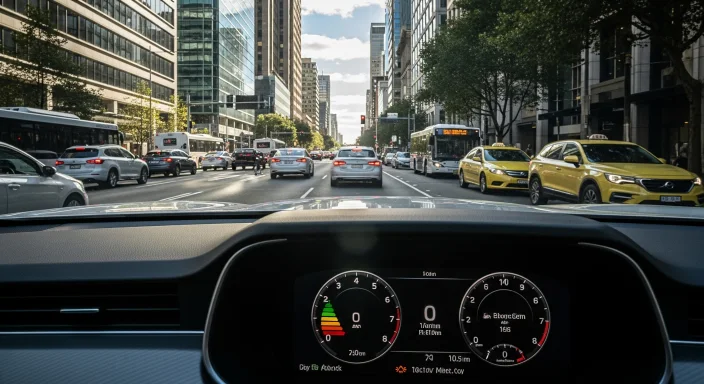
- Warning lights remain on
- The vehicle pulls to one side or is difficult to control
Even damage that looks minor can affect steering, sensors, suspension or other safety systems. Always place road safety above convenience.
Arrange Accident Towing When Driving Is Unsafe
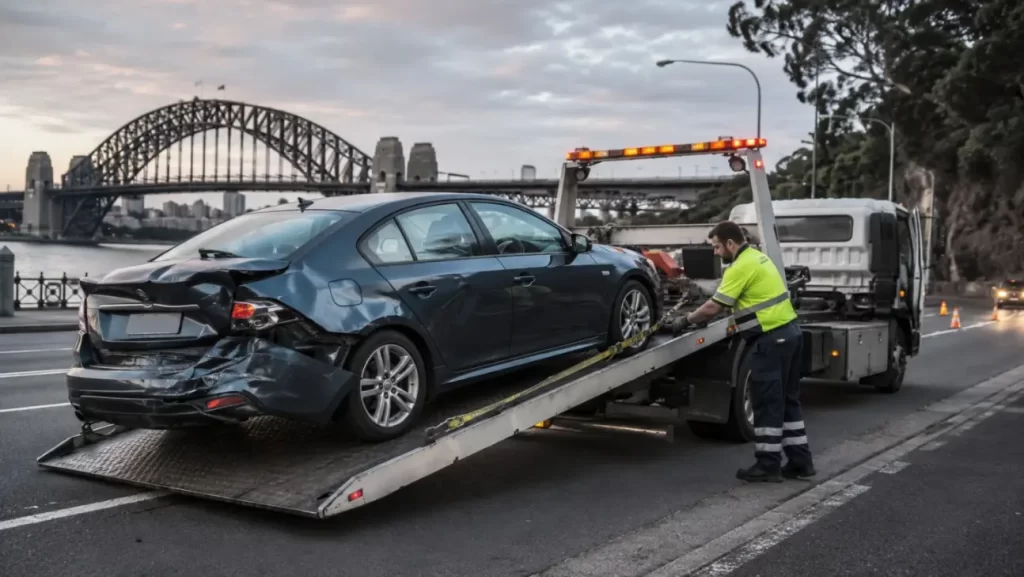
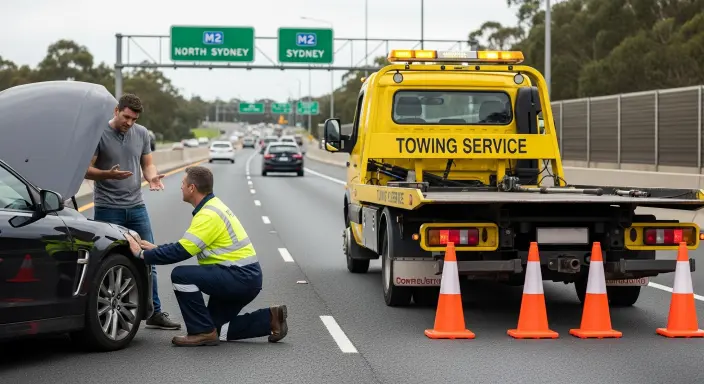
When the car cannot be driven safely, contact a professional accident towing service in Sydney.
Tell the operator your exact location, vehicle type, visible damage, wheel condition and preferred destination. Clear information helps the towing company send suitable equipment and plan the recovery properly.
A vehicle with locked wheels, damaged suspension or low ground clearance may need tilt tray towing for controlled loading. Remove personal items, photograph the vehicle before it is moved and keep the towing receipt.
Know Your Towing Rights in NSW
Drivers in NSW have the right to choose their towing provider and decide where the vehicle is taken. Understanding the authorisation process can help you avoid rushed decisions and unexpected storage or towing arrangements.
Choose the Towing Company and Destination
After a crash in NSW, you can choose who tows your vehicle and where it is taken. You do not have to accept the first tow truck that arrives.
Ask where the vehicle will be stored, what charges may apply and who will receive it. Contact your insurer before authorising the tow when practical, as your policy may include towing or have preferred arrangements.
Check the Tow Truck Credentials and Towing Authorisation
An authorised accident tow truck attending a NSW crash scene should display an accident tow truck number plate. The plate normally contains four numbers followed by the letters “TT”. The driver should also hold a valid driver certificate.
Before the vehicle is towed from an accident scene, the owner or driver must generally sign a towing authorisation form, unless the tow is directed by police or another authorised officer.
Read the authorisation form carefully, confirm the towing destination and keep your copy. Complete these checks before authorising the tow so you remain in control of where your vehicle goes.
Report the Crash and Contact Your Insurer
Some crashes must be reported even when police do not attend the scene. Complete the correct reporting process, keep the reference details and notify your insurer as soon as practical.
Follow the Correct NSW Reporting Process
If police do not attend the scene, the crash may still need to be reported after you leave. This includes tow-away crashes and other circumstances covered by current NSW rules.
Under the NSW Government road crash guidance, a crash must be reported as soon as possible and within 24 hours if a vehicle is towed, property is damaged, an animal is injured, or driver details could not be exchanged. Report the crash through the NSW Police Community Portal when eligible, contact the Police Assistance Line on 131 444, or attend a police station when directed. Keep the report or Event number for your insurer.
Notify Your Insurance Provider
Contact your insurer as soon as practical and explain what happened clearly. They may ask for:
- Driver and vehicle details
- Photos and videos
- Witness information
- Police report or Event number
- Towing receipt
- Repair quote or inspection report
Keep a note of claim numbers, phone calls, emails and the names of people you speak with. Do not approve major repairs until you understand your policy and claim requirements.
What to Do After Leaving the Scene
Important follow-up steps continue after you leave the crash location. Monitor your health, arrange a professional vehicle inspection and keep all documents related to the incident together.
Monitor Your Health
Pain, stiffness or other symptoms may appear after the initial shock has passed. Seek medical attention if you feel unwell or notice new symptoms. Call 000 for a serious or life-threatening condition.
Keep copies of medical records and receipts related to the crash.
Arrange a Qualified Vehicle Inspection
Book an inspection if the impact was more than a very light bump or the vehicle feels different afterwards.
New noises, vibrations, warning lights, pulling to one side or fluid leaks should not be ignored. A qualified inspection can identify damage that was not obvious at the roadside.
Keep All Records Together
Create one folder for:
- Original photos and videos
- Driver and witness details
- Police information
- Insurance emails and claim numbers
- Towing invoices
- Repair quotes
- Medical receipts
- Notes about calls and appointments
Back up digital files so they are not lost if your phone is damaged or replaced. Keeping every document together makes insurance and repair follow-up much easier.
Common Mistakes to Avoid
A clear post accident checklist can prevent rushed decisions, but only if each step is followed carefully. Avoid:
- Leaving before exchanging the required details
- Standing close to moving traffic
- Arguing about fault at the scene
- Taking only close-up photos
- Forgetting to collect witness details
- Driving with uncertain brakes, steering or tyre damage
- Delaying a required police report
- Signing a towing form without checking the destination
- Losing receipts or claim information
- Posting detailed comments about the crash on social media
Focus on safety, facts and clear records. When you are unsure, ask emergency services, police, your insurer or a qualified towing provider for guidance.
Prepare Before the Next Road Emergency
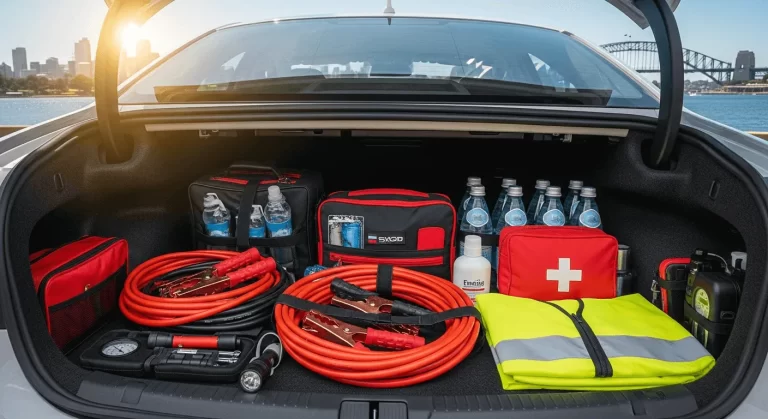
A basic car emergency kit can make a stressful situation easier. Consider carrying:
- First aid supplies
- A reflective safety vest
- A warning triangle
- A torch
- A phone charging cable or power bank
- A pen and notepad
- Drinking water
- Printed insurance information
- Emergency contact numbers
Use our car emergency kit guide to prepare for everyday Sydney driving and longer NSW trips. Keep a printed post accident checklist with the kit so the important steps are available even when your phone has no power.
Need Safe Accident Towing in Sydney?
If your vehicle is damaged, immobilised, obstructing traffic or unsafe to drive, do not take unnecessary risks. Sydney Towing Trucks provides professional vehicle recovery across Sydney for accident-damaged, immobilised and low-clearance vehicles.
Contact our Sydney towing service and provide your exact location, vehicle details, visible damage and preferred destination. Clear information helps the team send the right truck and organise a safer recovery.
FAQs
How Soon Should I Use a Post Accident Checklist?
Use it as soon as you are safe and emergency help has been called, if required. It helps you complete important steps while the crash details are still fresh.
What Details Should I Collect From the Other Driver?
Record the driver’s name and address, vehicle registration, vehicle owner details and contact number. Driver licence and insurance information are also useful when available.
Can I Leave After a Minor Car Crash?
Do not leave before stopping, checking for injuries and exchanging the required details. Once the necessary information has been shared and the vehicles are safely managed, you can leave when it is safe.
Should I Drive if the Damage Looks Minor?
Only drive when the vehicle is clearly safe. Arrange towing or an inspection if the brakes, steering, tyres, lights, suspension or bodywork may affect safe operation.
What Should I Do if the Other Driver Refuses to Share Details?
Stay in a safe place, record the vehicle registration and contact police. Do not argue or place yourself at risk.
Do I Need to Report the Crash if My Car Is Towed?
If a vehicle is towed after a NSW crash, report the incident to NSW Police after leaving the scene. You can use an eligible online reporting option or call the Police Assistance Line on 131 444.
Final Reminder
Keep this post accident checklist accessible so you can respond calmly and safely after a crash. Exchange accurate details, report the incident when required and arrange professional towing whenever the vehicle may be unsafe to drive.