Best Ways to Improve Fuel Efficiency for Your Car
Fuel prices in Australia don’t just rise they spike. For Sydney drivers dealing with daily congestion, short trips, and stop-start traffic, fuel efficiency can quietly become one of the biggest ongoing costs of owning a car.
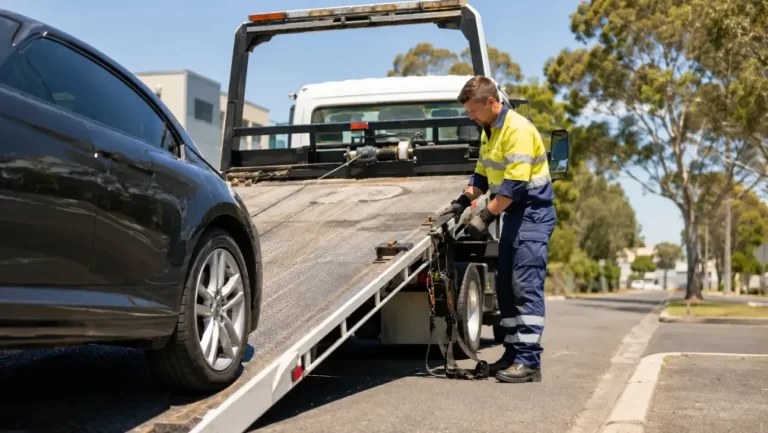
If you’ve ever thought “my car didn’t used to drink this much fuel”, you’re probably right. Fuel efficiency drops gradually, often without warning, until you’re suddenly filling up more often for the same trips.Even when you stop briefly on the road, you can get help for towing also.
This guide explains practical, proven ways to improve fuel efficiency, using real driving scenarios, common mistakes, and expert-backed advice that actually works in city conditions like Sydney.
Ways to Improve Fuel Efficiency in Everyday Driving
Fuel efficiency is not just about engine size or fuel type. It’s the combined result of driving behaviour, vehicle condition, and daily usage patterns.
Why Fuel Efficiency Drops Over Time
Fuel efficiency rarely drops overnight unless there’s a mechanical issue. Most of the time, it declines slowly due to:
- Tyres losing pressure
- Engine components wearing down
- Dirty filters and fluids
- Heavier loads accumulating in the vehicle
- Gradual changes in driving habits
Because the drop is gradual, many drivers don’t notice until fuel costs become obvious.
How Driving Habits Affect Fuel Consumption
Your right foot controls fuel consumption more than most people realise. Hard acceleration, late braking, speeding, and unnecessary idling all force the engine to burn more fuel than needed.
In urban driving, habits matter more than engine size.
Driving Habits That Instantly Improve Fuel Usage
These are the fastest changes you can make — no tools, no money, just awareness.
1 Smooth Acceleration and Braking
Slamming the accelerator dumps extra fuel into the engine. Gentle, progressive acceleration allows the engine to operate efficiently.
In city driving, smooth acceleration and early braking can reduce fuel use by 10–20%.
2 Maintaining Optimal Speed in City Traffic
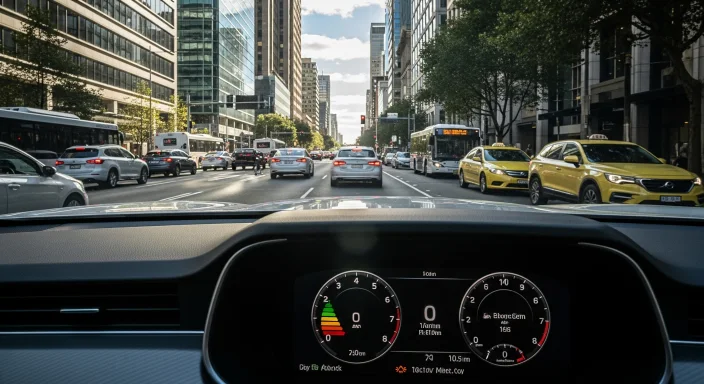
Driving faster than traffic allows rarely saves time in Sydney. It does, however, increase fuel consumption due to higher engine RPM and drag.
Staying within steady speed ranges reduces fuel spikes.
3 Avoiding Excessive Idling in Sydney Congestion
Idling burns fuel while going nowhere. If you’re stopped for more than 30–60 seconds — school pickups, traffic jams, level crossings — turning the engine off saves fuel and reduces engine wear.
4 Using Cruise Control on Highways
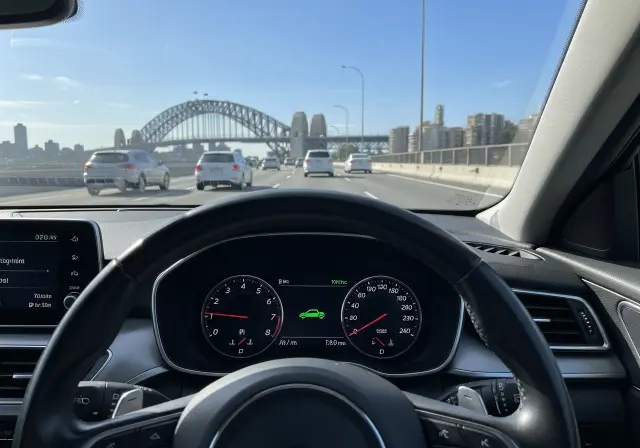
On motorways like the M5, M7, or Princes Highway, cruise control helps maintain consistent throttle input. This reduces unnecessary acceleration that wastes fuel.
5 Planning Routes to Reduce Stop-Start Driving
Choosing routes with fewer traffic lights or smoother flow can save more fuel than taking the shortest distance. Navigation apps that avoid congestion are powerful fuel-saving tools.
Vehicle Maintenance Tips to Improve Fuel Efficiently
Poor maintenance is one of the biggest hidden causes of fuel waste.
Correct Tyre Pressure and Its Impact on Fuel Use
Underinflated tyres increase rolling resistance, meaning the engine must work harder.
Just 5–10 PSI below recommended pressure can noticeably increase fuel consumption and tyre wear.
Regular Engine Servicing and Tune-Ups
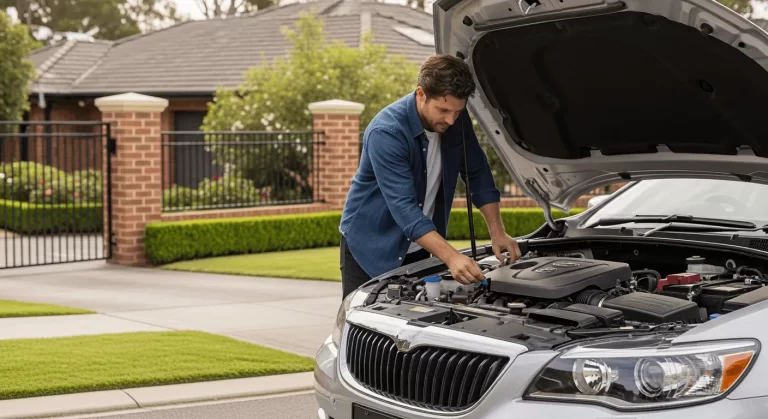
Old spark plugs, worn ignition components, and neglected servicing reduce combustion efficiency. Regular servicing restores lost fuel efficiency and prevents larger issues.
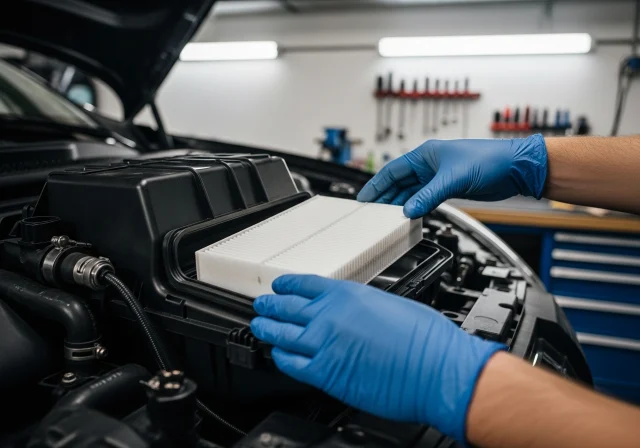
Clean Air Filters and Fuel Efficiency
A blocked air filter restricts airflow. When the engine can’t breathe properly, it compensates by injecting more fuel — reducing efficiency immediately.
Engine Oil Type and Fuel Consumption
Using oil thicker than recommended increases friction inside the engine. Always use the oil grade specified by the manufacturer for optimal fuel economy.
Wheel Alignment and Rolling Resistance
Misaligned wheels cause the car to pull and tyres to scrub against the road. This adds drag and wastes fuel, especially at highway speeds.
Reducing Vehicle Load and Drag
Weight and airflow resistance matter more than most drivers think.
Removing Unnecessary Weight from the Vehicle
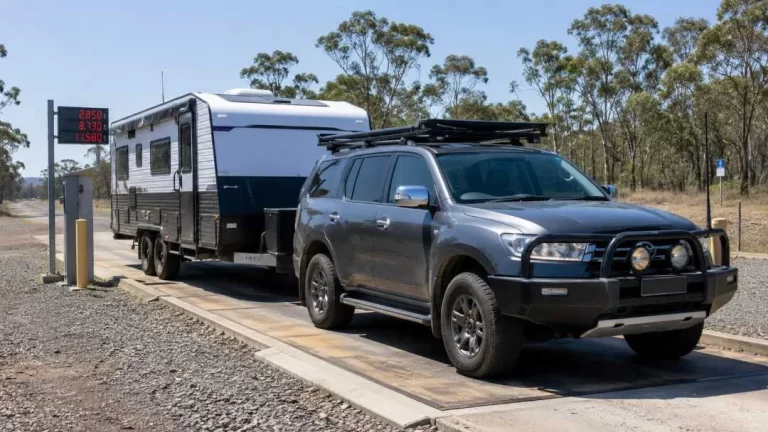
Tools, sports gear, old boxes, and forgotten items add up. Extra weight forces the engine to burn more fuel every time you accelerate.
Roof Racks, Cargo Boxes, and Fuel Efficiency
Roof racks and cargo boxes significantly increase aerodynamic drag. Even when empty, they can increase fuel consumption on highways by 10–15%.
Window Use vs Air Conditioning Efficiency
At low speeds, open windows are fine. At higher speeds, open windows increase drag more than using air conditioning. Close windows on highways for better efficiency.
Fuel Choices and Refuelling Habits
Fuel myths are expensive.
Using the Correct Fuel Type for Your Car
Using higher-octane fuel than required does not improve fuel efficiency unless the engine is designed for it.
Premium vs Regular Fuel Efficiency Myths
Most standard vehicles gain no benefit from premium fuel. Follow the manufacturer’s recommendation — not marketing claims.
Refuelling Timing and Fuel Density Myths
The idea that fuel is “denser” in the morning has minimal real-world impact. Driving style and maintenance matter far more.
Fuel Efficiency Tips for Sydney Drivers
City conditions change everything.
Managing Fuel Use in Peak-Hour Traffic
Sydney’s peak-hour congestion causes constant acceleration and braking. Anticipating traffic flow and maintaining space reduces fuel spikes. Running out of petrol or noticing fuel drops suddenly.
Short Trips and Cold Engine Fuel Loss
Short trips are brutal on fuel efficiency. Cold engines run richer fuel mixtures. Combining errands into one trip saves fuel and reduces wear.
Urban vs Highway Fuel Consumption Differences
City driving can use 20–30% more fuel than highway driving due to constant speed changes and idling.
Signs Your Car Is Using Too Much Fuel
Sometimes fuel efficiency problems signal deeper issues.
Sudden Drop in Kilometres per Litre
If fuel usage suddenly worsens, suspect mechanical or sensor issues rather than driving habits.
Warning Lights Related to Fuel Consumption
Faulty oxygen sensors, airflow sensors, and engine management issues directly affect fuel use.
When Fuel Inefficiency Signals Mechanical Problems
Ignoring fuel inefficiency can lead to engine damage, breakdowns, or unsafe driving conditions.
When Improving Fuel Efficiency Requires Professional Help
DIY fixes have limits.
Mechanical Issues That Increase Fuel Consumption
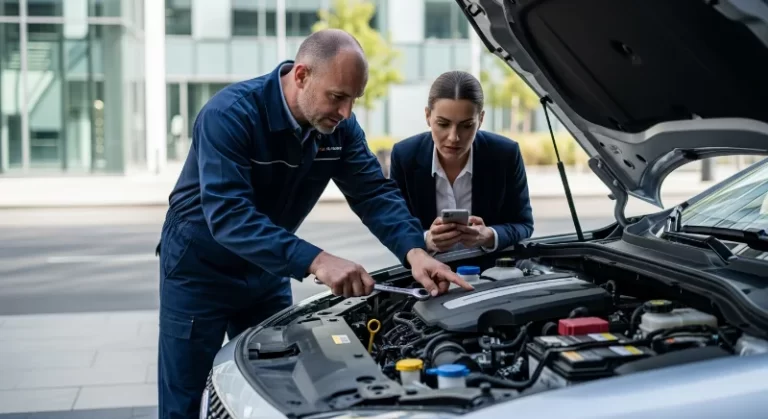
Injector problems, transmission issues, exhaust faults, and engine misfires require professional diagnosis.
When DIY Fixes Stop Working
If tyre pressure, servicing, and driving changes don’t help, it’s time for expert inspection.
Safety Risks of Ignoring Poor Fuel Efficiency
Fuel inefficiency often signals stress on the engine. Left untreated, small issues become expensive failures.
Common Mistakes
A driver commuting short distances daily notices fuel costs rising. The cause? Underinflated tyres, cold-engine trips, and aggressive acceleration. After tyre correction and smoother driving, fuel costs drop noticeably within weeks.
Another mistake: ignoring the check engine light because the car “still drives fine.” Often, this means the engine is running inefficiently — wasting fuel and risking breakdown.
Tools, Safety, and Expert Advice
- Tyre pressure gauge (check weekly)
- OBD diagnostic scan when warning lights appear
- Scheduled servicing every 10,000–15,000 km
- Professional inspections when fuel use spikes suddenly
If fuel efficiency drops quickly, stop guessing and get expert help.
Frequently Asked Questions
How can I improve fuel efficiency without buying a new car?
Focus on smoother driving, tyre pressure, and regular servicing.
What is the fastest way to reduce fuel consumption?
Gentle acceleration and reducing idling.
Does driving slower always save fuel?
Not always. Extremely low speeds can be inefficient.
How much does tyre pressure affect fuel efficiency?
Incorrect pressure can increase fuel use by up to 10%.
Is idling bad for fuel efficiency in traffic?
Yes. Long idling wastes fuel and increases wear.
Are short trips bad for fuel consumption?
Yes. Cold engines burn more fuel.
Does premium fuel improve fuel efficiency?
Only if recommended by the manufacturer.
Why has my car suddenly started using more fuel?
Often due to mechanical or sensor faults.
Conclusion: Improve Fuel Efficiency Before Costs Escalate
Fuel efficiency problems don’t fix themselves. Small changes in driving habits and maintenance can save hundreds of dollars a year — especially in Sydney traffic.
If fuel usage suddenly worsens, act early. The sooner you fix it, the cheaper and safer it is.