How to Prepare Your Car for Towing – Guide for Sydney Drivers
When your car breaks down or needs to be transported across NSW, knowing how to prepare your car for towing can save you from expensive repairs, disputes with operators, and unnecessary delays.
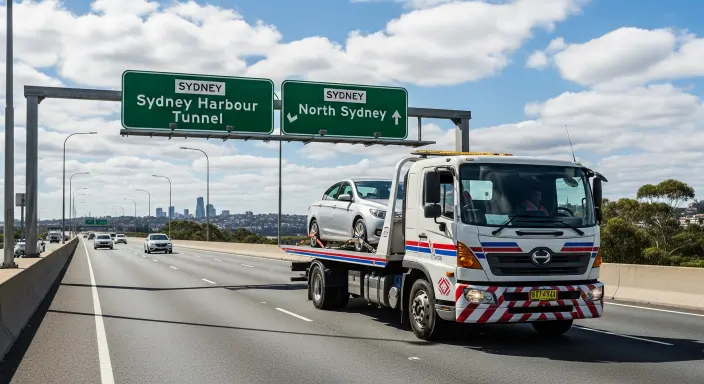
Long distance towing is very different from a short local tow the vehicle may travel hundreds of kilometres on highways, face changing weather conditions, and be loaded and unloaded multiple times.
This detailed guide walks you through everything from documents and mechanical setup to local legal considerations and expert safety advice.
Why Proper Preparation Matters Before Towing
Preparing your car before a tow reduces risk, speeds up loading, and prevents mechanical damage during long transport routes. A few simple steps can make the difference between a smooth journey and a costly mistake.Car owners often ask questions about how to prepare their car for towing, and a structured checklist answers them all.
Risks of Improper Vehicle Preparation
If a car is not prepared correctly, problems can appear immediately or after the journey:
- Transmission damage when the vehicle is not set in the correct gear
- Brake wear caused by leaving the handbrake engaged
- Loose parts falling off during motorway travel
- Interior damage from unsecured items
- Insurance disputes because the vehicle’s original condition was not documented
Essential Checklist How to Prepare Your Car for Towing
“Learning how to prepare your car for towing properly is essential for any Sydney driver. Small preparation steps can save time, money, and avoid unexpected issues.”
Gather Required Documents and Vehicle Information
Start by collecting all important paperwork. This includes your vehicle registration, driver’s licence, and insurance details. If the car has mechanical issues or special modifications, write clear instructions for the tow operator. For long distance transport, include contact details in case the driver needs to reach you during the journey.
Sydney towing companies often ask for confirmation of ownership and transport permission, especially when vehicles are being moved between cities.
Take Photos and Record Existing Vehicle Condition
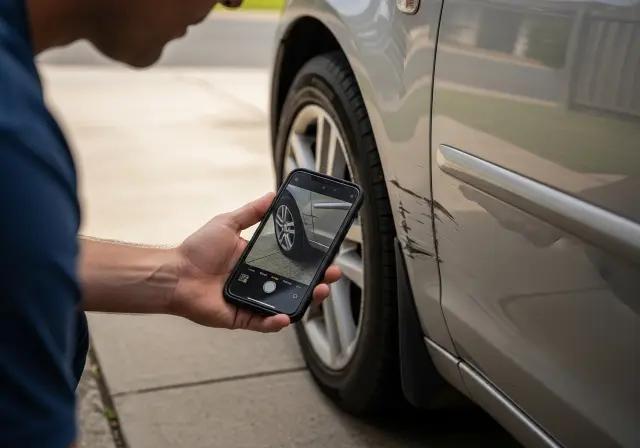
Photograph your car from every angle before it leaves. Capture close-up images of existing scratches, dents, wheels, and interior areas. Take pictures of dashboard warning lights and record the odometer reading. These records help avoid disputes and provide valuable proof if damage occurs during transport.
Professional operators often recommend reviewing how to prepare your car for towing before scheduling pickup.
Remove Personal Belongings and Valuables
Clear the vehicle of loose items. Personal belongings are rarely covered by towing insurance. Heavy items inside the car can also shift during transport and damage interior surfaces. Remove electronics, fragile decorations, and valuable documents. Keep only essential items such as spare tyres or approved emergency kits.
Secure Loose Exterior Parts and Accessories
Check the outside of your vehicle carefully. Fold mirrors, retract antennas, and remove accessories like bike racks or roof boxes. Highway wind pressure during long distance towing can loosen or break these components if left unsecured.
Check Tire Pressure and Wheel Condition
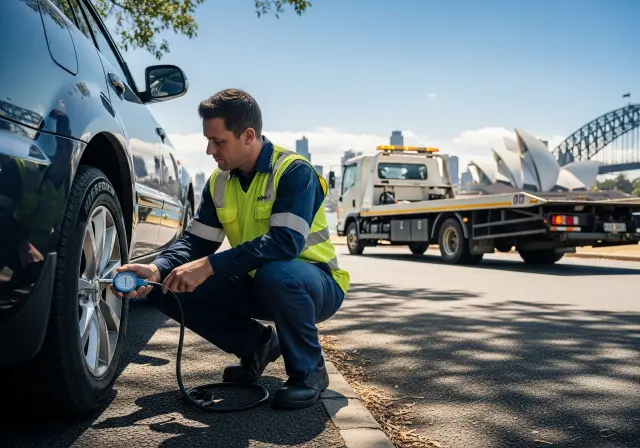
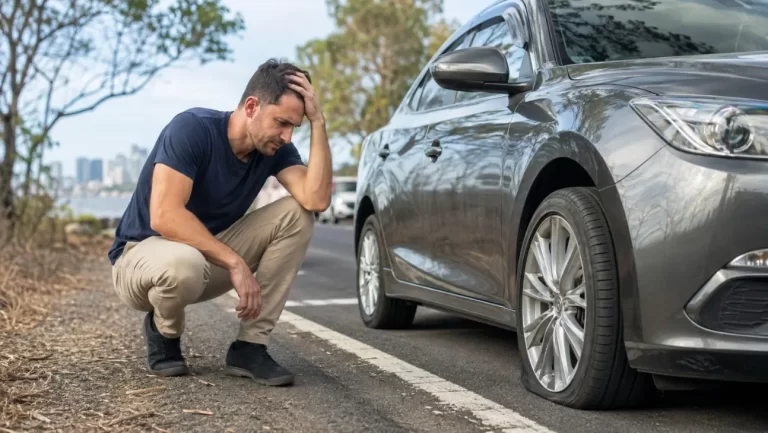
Proper tyre condition helps operators load the vehicle safely. Inflate tyres to the recommended pressure and inspect for punctures or visible damage. Inform the tow company if any wheel is stuck or severely worn, as special equipment may be required.
Check Fluid Levels and Look for Leaks
Fluids such as oil, coolant, and brake fluid should be checked before towing. Major leaks can create hazards during loading and may require specialised handling. Inform the operator about any known mechanical issues.
Ensure Battery and Electrical System Safety
Long distance towing sometimes requires disconnecting the battery or disabling alarms. Active alarms can trigger during transport stops, causing unnecessary stress for drivers. Make sure interior lights are off and loose wiring is secured.
Leave the Correct Fuel Level for Transport
A quarter tank of fuel is generally recommended. Too much fuel increases vehicle weight and may affect transport costs. Too little fuel can make it difficult to start or move the car during loading and unloading.
Mechanical and Safety Steps Before the Tow Truck Arrives
If you want peace of mind during transport, it’s important to understand how to prepare your car for towing before the tow truck arrives. Proper preparation protects both your car and your insurance
Set Transmission and Parking Brake Correctly
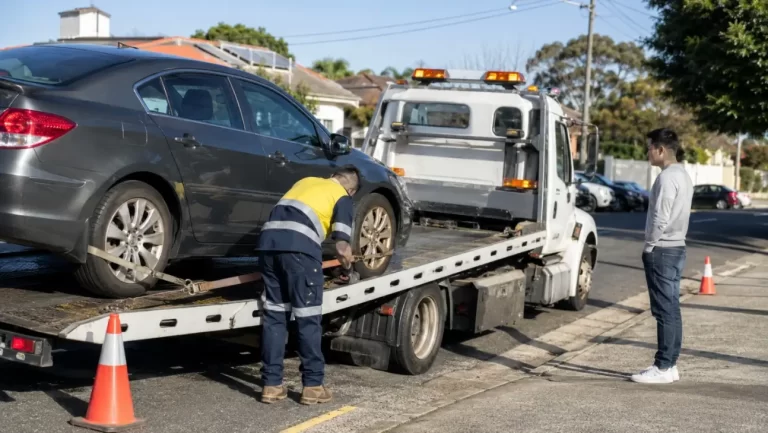
Vehicles usually need to be placed in neutral during loading. Automatic transmissions require careful handling to avoid internal damage. Manual cars must also be in neutral, with the handbrake released when the operator instructs. Never assume the correct setup always confirm with the towing professional.
Unlock Steering Wheel and Provide Keys
Locked steering wheels can delay loading and increase the risk of scratches. Provide a full set of keys and inform the operator about immobilisers or keyless systems. This allows the driver to manoeuvre the vehicle safely onto the tow truck.
Disable Alarm Systems
Many drivers forget to disable alarms, leading to loud noise during overnight transport or rest stops. Turn off alarms or provide instructions to the towing company so they can manage them safely.
Fold Mirrors and Protect Fragile Components
Low spoilers, antennas, and custom body kits require extra attention. Folding mirrors and securing delicate parts reduces the risk of damage during long highway journeys.
Prepare Emergency and Safety Equipment
Tow operators may need access to tow hooks or spare tyre compartments. Ensure wheel lock keys are available and any necessary tools are easy to locate.
Tips on How to Prepare Your Car for Towing Before Long Distance Transport
“Many drivers are unsure how to prepare their car for towing correctly. Using a checklist and documenting your vehicle before pickup makes the process much smoother.”
Preparing Non-Running or Damaged Vehicles
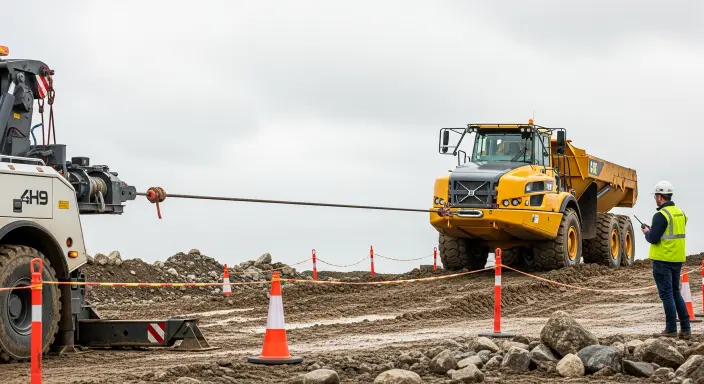
Non-running cars require clear information about mechanical faults. Operators may need winches or specialised loading equipment. Ensure the vehicle can roll safely and that the path for loading is clear.
Preparing AWD, Electric and Luxury Vehicles
Different vehicle types require different towing methods. Many AWD vehicles must be transported on flatbeds to avoid drivetrain damage. Electric vehicles often need battery isolation or special transport modes. Luxury cars with low ground clearance require careful ramp angles to prevent scraping.
Weather and Road Condition Considerations in NSW
Long distance towing exposes vehicles to changing environments. Coastal routes near Sydney beaches can introduce salt exposure. Summer heat may increase tyre pressure or fluid expansion. Rain and storms can also impact travel times and loading conditions.
How to Communicate Special Instructions to the Tow Driver
Write down important details about your car. Include information about suspension modifications, low clearance, mechanical issues, or sensitive components. Clear communication reduces mistakes and ensures the tow operator understands how to handle the vehicle safely.
Sydney & NSW Legal and Local Considerations Before Towing
Local laws and regional practices influence how you prepare your car for transport. Understanding these requirements helps avoid fines or delays.
NSW Towing Regulations and Road Safety Rules
Transport for NSW requires accurate vehicle documentation and safe transport conditions. Drivers must provide proof of ownership and follow road safety standards. Licensed towing operators must also meet strict regulations, so preparing your vehicle according to these rules is essential.
Typical Long Distance Towing Costs in Sydney
Costs depend on distance, vehicle size, and condition. Long distance towing often involves a per-kilometre rate plus loading fees. Extra charges may apply for non-running vehicles or after-hours services. Understanding costs helps you plan and avoid surprises.
Urban vs Regional Towing Risks Around Sydney
Urban areas present tight parking spaces and heavy traffic, while regional routes involve long distances between service stops. Preparation must account for both scenarios, ensuring your vehicle can handle extended travel without issues.
Insurance and Liability Requirements in NSW
Always confirm the towing company’s insurance coverage. Document your car’s condition before pickup and clarify who is responsible for damage during transport. Having clear agreements prevents misunderstandings later.
Common Mistakes to Avoid how to prepare your car for towing
Drivers often overlook small details that lead to major problems. Leaving the parking brake engaged can damage brake components during loading. Failing to take photos can result in disputes after delivery.
Overloading the car with personal belongings increases risk and may violate transport policies. Ignoring manufacturer towing restrictions can also cause mechanical damage.A proper walkthrough of how to prepare your car for towing can make the difference between a smooth transport and unexpected delays.”
Before the Tow Truck Arrives Final Preparation Checklis
Before handing over your vehicle, take a few minutes to double-check everything. Ensure documents and keys are ready. Confirm tyre pressure and fuel levels. Review photos and make sure no valuables remain inside the car.
Contact the driver to confirm pickup location and provide clear directions, especially in busy Sydney suburbs.”Even small steps, when you understand how to prepare your car for towing, can save time and avoid mistakes.”
Ask the towing operator about expected arrival times, transport method, and delivery schedule. Clear communication ensures a smoother experience for both you and the towing team.
When You Should Call a Professional Towing Service Immediately
Some situations are too risky for DIY preparation. Accident-damaged vehicles with broken suspension or leaking fluids require professional handling. Large SUVs, commercial vans, or caravans need specialised equipment. Long interstate moves also benefit from experienced operators who can manage logistics, rest stops, and safety regulations.
Book a Reliable Long Distance Tow Truck in Sydney
Choosing a professional towing service is as important as preparing your car. Look for licensed NSW operators with strong local reviews and modern flatbed equipment. Reliable companies provide clear pricing and offer 24/7 emergency assistance.
When requesting a quote, provide accurate details about your vehicle, pickup location, and destination. Clear information helps the towing company plan safe and efficient transport across Sydney and regional NSW.
FAQs
How do I prepare my car for long distance towing safely?
Remove personal items, document the condition, check tyres and confirm setup with your tow operator.
Should I empty my car before it gets towed?
Yes, valuables and heavy items should be removed to prevent damage and reduce risk.
Do I need to put my car in neutral when it is being towed?
Usually during loading, but always follow instructions from the towing professional.
Can an electric or AWD car be towed normally?
Most require flatbed towing and specialised handling procedures.
How much does long distance towing cost in Sydney?
Costs vary but are usually calculated per kilometre plus loading fees.
What documents should I give the tow truck driver?
Provide registration, ID, insurance details and any special instructions.
Is it safe to tow a car with low tire pressure or damage?
No, tyres should be inflated and damage reported before transport.
Should I take photos of my car before towing?
Yes, photos protect you in case of disputes or insurance claims.
Can I prepare my vehicle myself or should a professional inspect it first?
Basic preparation is DIY, but damaged or luxury vehicles need professional inspection.
What are the most common mistakes people make before towing their car?
Leaving the handbrake engaged, forgetting documentation and overloading personal items.
Are there specific NSW laws I need to follow before my vehicle is towed?
Yes, follow Transport for NSW guidelines and provide valid documentation.
How long does it take to prepare a vehicle before a tow truck arrives?
Most cars can be prepared in about 10–30 minutes using a checklist.
Conclusion
Knowing how to prepare your car for towing is essential for safe long distance transport across Sydney and NSW. Proper preparation reduces risk, saves money, and ensures your vehicle reaches its destination without complications.
👉 Need reliable long distance towing in Sydney? Contact a licensed local tow truck service today for a fast quote and professional vehicle transport you can trust.