Types of Towing Trucks Every Driver Should Know Before Towing
When a vehicle breaks down, most drivers focus on getting a tow—not how that tow is done. That’s where costly mistakes happen. The types of towing trucks used can mean the difference between a smooth recovery and thousands of dollars in avoidable damage. This becomes even more critical during long distance towing, where stress on the vehicle increases with every kilometre.
In Sydney and across NSW, modern vehicles, strict road regulations, and long highway distances make tow truck selection a serious safety decision. This guide explains every major towing truck type, when each is used, and how professionals choose the safest option for towing.
What Are Types of Towing Trucks and Why the Type Matters
Towing trucks are specialized vehicles designed to recover, transport, or reposition disabled cars. Each type uses a different method to lift, pull, or carry a vehicle—and those differences matter more today than ever before.
How towing truck types affect vehicle safety
Every towing method applies force differently. Some lift all wheels, some drag wheels, and some partially suspend the vehicle. The wrong method can:
- Destroy transmissions on automatic vehicles
- Damage AWD systems permanently
- Cause steering lock failures
- Void insurance or manufacturer warranties
Modern vehicles are heavier, lower, and more complex. What worked 20 years ago can now cause severe damage.
Short-distance vs long-distance towing differences
Short-distance towing (under 10–15 km) may allow limited wheel-lift towing if conditions are controlled. Long-distance towing introduces:
- Continuous wheel rotation
- Heat buildup in drivetrains
- Highway speeds and braking forces
- Uneven road surfaces
That’s why professional operators change towing methods once distance increases.
Main Types of Towing Trucks Explained
Each types of towing trucks is designed for a specific recovery method and vehicle condition.Understanding these differences helps drivers avoid unsafe towing choices
Flatbed Tow Trucks
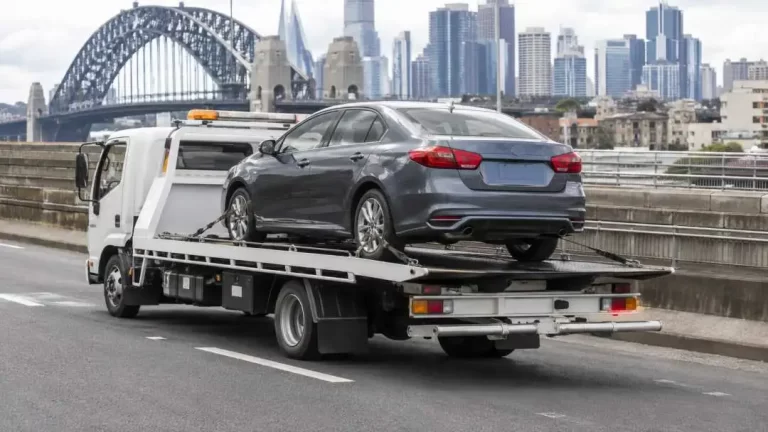
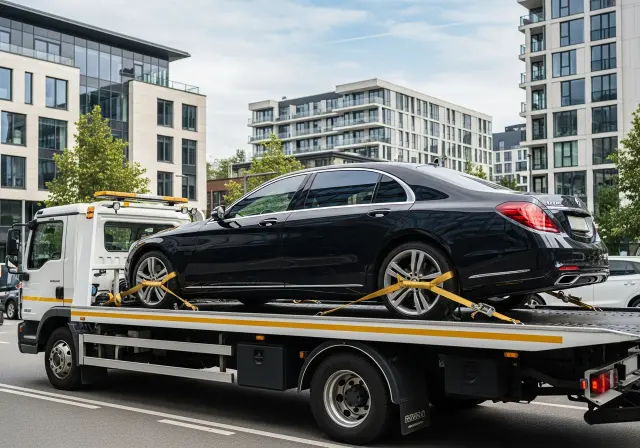
Flatbed tow trucks carry the entire vehicle on a level platform. All four wheels are lifted completely off the road.
This method eliminates drivetrain movement, making it the gold standard for long distance towing. Flatbeds are ideal for:
- AWD vehicles
- Electric vehicles
- Luxury and sports cars
- Accident-damaged vehicles
- Interstate or regional towing
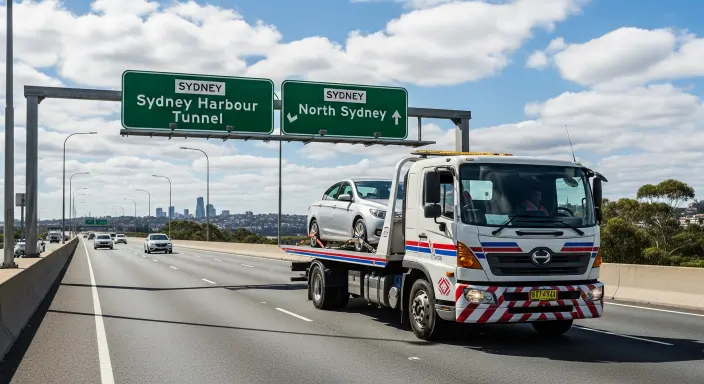
In Sydney, flatbeds are the most commonly dispatched trucks for motorway breakdowns due to safety and compliance requirements.
Wheel-Lift Tow Trucks

Wheel-lift tow trucks use a hydraulic yoke to lift either the front or rear wheels while the remaining wheels roll on the road.
They’re fast, manoeuvrable, and useful for:
- Tight city streets
- Illegally parked vehicles
- Short urban tows
However, for long-distance towing, wheel-lift trucks increase the risk of drivetrain strain, especially on AWD and front-wheel-drive vehicles.
Hook and Chain Tow Trucks
Hook and chain towing wraps chains around the vehicle’s axle or frame.
This method is largely outdated and restricted in NSW. It’s mainly used for:
- Severely damaged vehicles
- Scrap or write-off recoveries
For operational vehicles, hook and chain towing can cause bumper, suspension, and frame damage.
Integrated Tow Trucks
Integrated tow trucks combine wheel-lift technology with extra axles, stronger hydraulics, and advanced controls.
They’re designed for:
- Buses
- Large vans
- Commercial fleets
- Complex recoveries
Integrated trucks offer stability for heavier loads but still require careful selection for long-distance towing.
Heavy-Duty Tow Trucks
Heavy-duty tow trucks handle oversized vehicles such as:
- Semi-trucks
- RVs and motorhomes
- Construction equipment
These trucks are essential for highway recoveries and long-haul commercial towing across NSW.
Best Types of Towing Trucks for Long Distance Towing
Towing requires stable loading and minimal stress on vehicle components.
Flatbed towing is widely recommended because it keeps all wheels off the road.
Why flatbed tow trucks are safest for long distances
Flatbed towing prevents:
- Transmission rotation
- Differential overheating
- Tire and alignment wear
- Steering lock damage
For trips exceeding 30 km—or any motorway towing—flatbeds dramatically reduce mechanical risk. That’s why insurers and manufacturers recommend them.
When wheel-lift towing is risky over long distances
Wheel-lift towing over long distances can:
- Overheat bearings
- Damage CV joints
- Stress AWD systems
- Cause uneven braking behaviour
The longer the distance and the higher the speed, the greater the risk.
Towing AWD, electric, and luxury vehicles long distance
AWD vehicles should never be wheel-lift towed long distance. Electric vehicles often have motors connected to multiple wheels, making improper towing especially dangerous. Luxury cars with low clearance risk scraping without a flatbed.
Choosing the Right Tow Truck Based on Your Situation
Vehicle condition, road type, and towing distance all affect the correct truck choice.
Professional operators assess multiple safety factors before selecting equipment.
Breakdown vs accident recovery
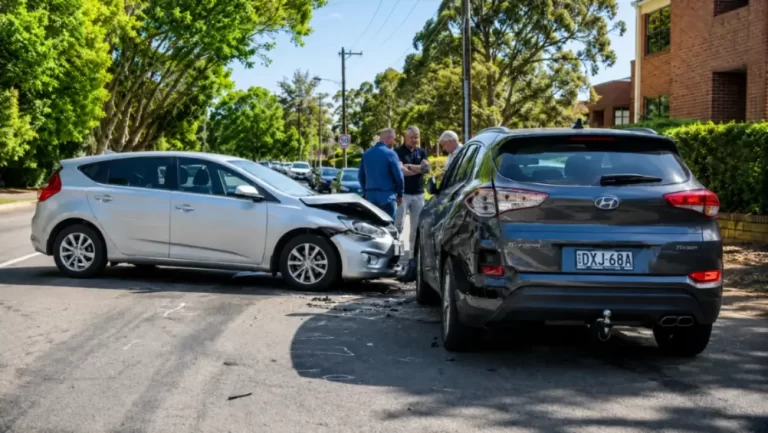
Breakdowns usually allow controlled loading. Accident recoveries may require:
- Dollies
- Winching
- Partial lifts before full loading
Severity determines the safest method.
Highway towing vs city towing
Highway towing demands:
- Full vehicle immobilization
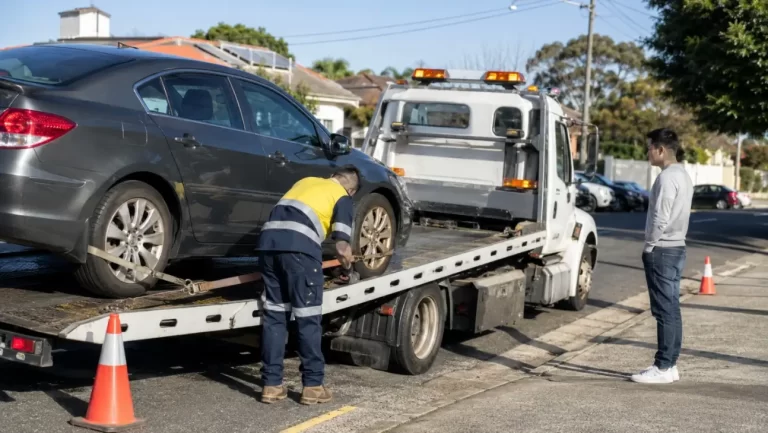
- Secure tie-downs
- Load balancing
City towing allows more flexibility but still requires compliance with NSW regulations.
Vehicle condition and drivetrain considerations
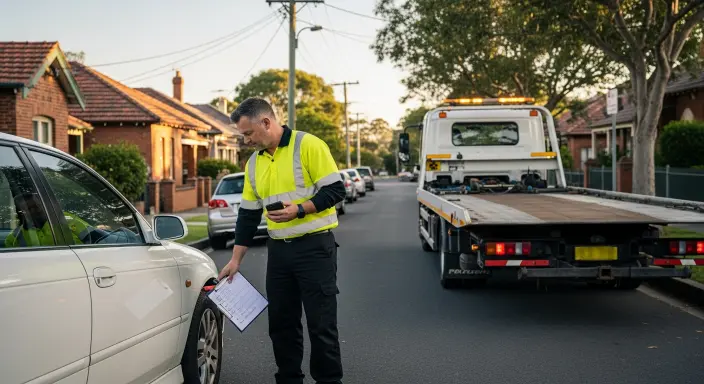
Professionals assess:
- Can the vehicle roll?
- Is the steering locked?
- Is the drivetrain intact?
- Are wheels damaged?
Skipping these checks causes secondary damage.
Tow Truck Types Used in Sydney and NSW
Sydney’s road conditions and NSW safety rules influence which towing trucks are commonly used.
Tow truck methods allowed under NSW regulations
NSW regulations prioritise road safety and vehicle protection. Improper towing methods can result in:
- Fines
- Insurance claim rejection
- Operator penalties
This is why professional services avoid outdated techniques.
Tow trucks commonly used on Sydney motorways
Flatbed and integrated tow trucks dominate motorway recoveries due to speed control and safety.
Coastal, CBD, and suburban towing challenges
Sydney’s geography creates unique challenges:
- Narrow CBD streets
- Steep coastal roads
- High traffic density
Flatbeds with tilt-and-slide systems are preferred in most environments.
Common Towing Mistakes That Cause Vehicle Damage
Many drivers unknowingly accept unsafe towing methods due to lack of knowledge.
Accepting the cheapest tow option
Low prices often mean shortcuts. Damage from improper towing almost always costs more than the tow itself.
Not asking what type of tow truck is coming
This one question can prevent thousands in repairs.
Using the wrong tow truck for long-distance travel
Wheel-lift towing beyond short distances remains a top cause of drivetrain failure.
How Professional Tow Operators Decide Which Truck to Use
Experienced operators evaluate distance, vehicle weight, and road conditions first.
Distance, weight, and road conditions
Operators calculate:
- Distance
- Vehicle weight
- Road type
- Traffic conditions
Each factor influences truck choice.
Insurance and compliance requirements
Insurance companies may refuse claims if improper towing causes damage. Licensed operators follow strict guidelines.
Safety checks before long-distance towing
Professionals inspect:
- Tie-down points
- Wheel locks
- Load distribution
- Brake and lighting compliance
When to Call a Professional Tow Truck Service
Certain breakdowns and accident situations require professional equipment immediately.
Signs your vehicle should not be towed improperly
- Locked steering
- Electrical failure
- Broken axles
- Accident damage
Situations where DIY towing is unsafe or illegal
DIY towing over long distances is unsafe and often illegal on NSW roads, especially highways.
Tools, Safety, and Expert Advice
Professional towing uses:
- Flatbed tilt-and-slide systems
- Hydraulic stabilizers
- Rated tie-down straps
- Wheel dollies
Expert rule: If the tow exceeds 30 km, always request a flatbed.
Frequently Asked Questions
What are the different types of towing trucks?
Flatbed, wheel-lift, hook and chain, integrated, and heavy-duty trucks.
Which tow truck is best for long distance towing?
Flatbed tow trucks are safest.
Is flatbed towing safer than wheel-lift towing?
Yes, especially for modern vehicles.
Can the wrong tow truck damage my car?
Yes, severely.
Is hook and chain towing legal in NSW?
It’s heavily restricted.
How far can a car be safely towed?
Safely, any distance with proper equipment.
Does long distance towing cost more?
Yes, but it prevents costly damage.
Can I tow my car myself?
Not safely for long distances.
Conclusion: Choose the Right Tow Truck, Avoid Costly Mistakes
Understanding the types of towing trucks protects your vehicle and your finances. For long distance towing in Sydney and NSW, flatbed towing remains the safest choice.