Heavy Duty Towing Equipment Guide: DIY and When to Call Professionals
This is needed when a vehicle is too big, too heavy, or too damaged for normal towing equipment. In Sydney, with busy motorways, construction sites, ports, and constant truck traffic, using the wrong towing gear can quickly become dangerous.
If the equipment isn’t strong enough, recovery straps can snap, tow trucks can lose control, and vehicles can even tip over. These mistakes aren’t just expensive — they can seriously hurt someone.
This guide explains heavy duty towing equipment in simple terms, how it’s used in real situations, and when calling a professional towing team is the safest choice.
What Is Heavy Duty Towing Equipment?
Heavy duty towing equipment is purpose-built to handle extreme towing loads safely, consistently, and legally under Australian regulations.
Purpose of Heavy Duty Towing
Heavy duty towing uses strong tow trucks and special equipment made for very large and heavy vehicles that weigh several tonnes or more. The goal is to move these vehicles safely, balance the weight properly, and avoid sudden jerks or pressure that could cause damage.
This type of towing is often needed for semi-trailers, buses, construction machines, mining equipment, and trucks that have broken down or been in an accident.
Difference Between Light, Medium, and Heavy Duty Equipment
Light duty towing handlescars and small bus using basic tow bars or flatbeds. Medium duty towing supports rigid trucks and service vehicles. Heavy towing equipment is engineered for extreme stress, requiring reinforced steel components, hydraulic systems, and high-capacity load ratings.
The difference is not just size, but the ability to manage braking forces, stability, and recovery angles under load.
Types of Heavy Duty Towing Equipment Used in Sydney
Australia’s towing environment demands equipment that can handle long distances, harsh conditions, and strict compliance requirements.
Heavy Duty Tow Trucks and Prime Movers
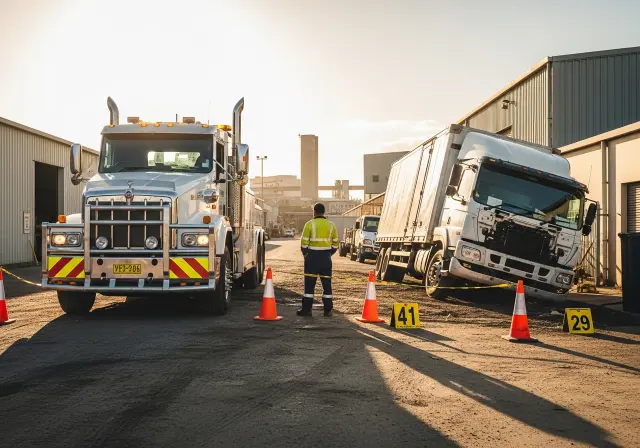
Heavy duty tow trucks are specially built to handle very large and heavy vehicles. They have strong frames, hydraulic lifting arms, powerful winches, and advanced braking systems to keep everything stable and under control.
Industrial Tow Tugs and Tow Tractors
Tow tugs and tow tractors are used in controlled environments such as ports, airports, warehouses, and factories. These machines allow operators to move extremely heavy loads safely at low speeds, reducing manual handling risks and preventing equipment damage in tight spaces.
Heavy Duty Tow Bars and Tow Hitches
Heavy duty tow bars are designed to handle constant load stress without bending or cracking. They must match both the towing vehicle’s capacity and the towed load’s weight. Incorrect tow hitches can cause loss of control, uneven braking, or structural damage during turns.
Heavy Duty Winches and Recovery Systems
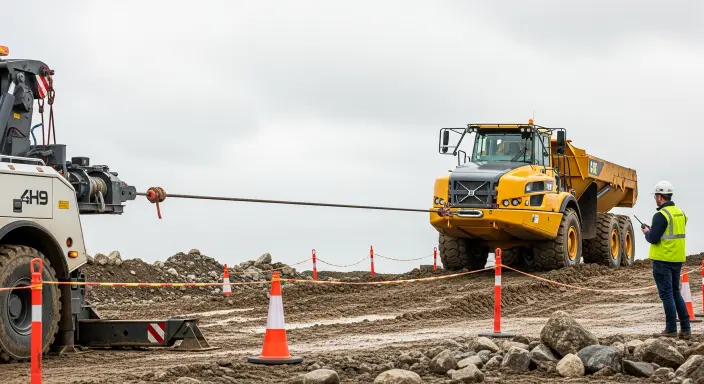
Winches are essential when vehicles cannot roll freely or are stuck off-road, in ditches, or after accidents. Hydraulic winches provide steady pulling force and are preferred for heavy recoveries where sudden jerks could cause structural failure or injuries.
Heavy Duty Tow Straps, Chains, and Bridles
Tow straps, chains, and bridles must be selected based on working load limits, not guesswork. Recovery bridles are commonly used to spread force evenly across two points, reducing stress and preventing dangerous snapback incidents.
How to Choose the Right Heavy Duty Towing
Choosing the wrong equipment is one of the biggest causes of towing accidents in NSW.
Vehicle or Machinery Weight Ratings
Always calculate gross vehicle mass, including fuel, cargo, attachments, and debris. Many operators make the mistake of using factory weights, which do not reflect real-world conditions during breakdowns or recoveries.
Towing Capacity and Load Limits
Every component in the towing system must exceed the required load. This includes the tow truck, hitch, chains, straps, and recovery points. One underrated component can cause the entire system to fail under pressure.
Terrain and Job Type Considerations
Urban recoveries differ from off-road or industrial jobs. Inclines, soft ground, traffic exposure, and weather conditions all affect equipment choice. What works in a yard may be unsafe on a busy Sydney motorway.
Compliance With Australian Safety Standards
It must meet Australian Standards, display clear load ratings, and be inspected regularly. Using non-compliant equipment can lead to fines, insurance rejection, and liability claims.
Heavy Duty Towing Equipment for Different Applications
Truck and Bus Towing
Truck and bus towing requires underlift systems, axle management, and careful brake control. Incorrect setup can damage suspension systems or cause brake lockup during transport.
Construction and Earthmoving Equipment
Excavators, bulldozers, and loaders often require winch-assisted loading and specialised trailers. Incorrect recovery angles can damage hydraulic arms and tracks.
Mining and Industrial Machinery
Mining and industrial equipment involves extreme weights and uneven terrain. These jobs require specialised towing gear, risk assessments, and highly experienced operators.
Accident Recovery and Roadside Breakdowns
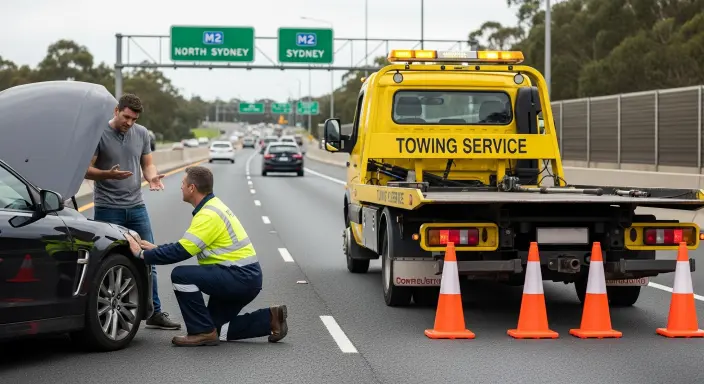
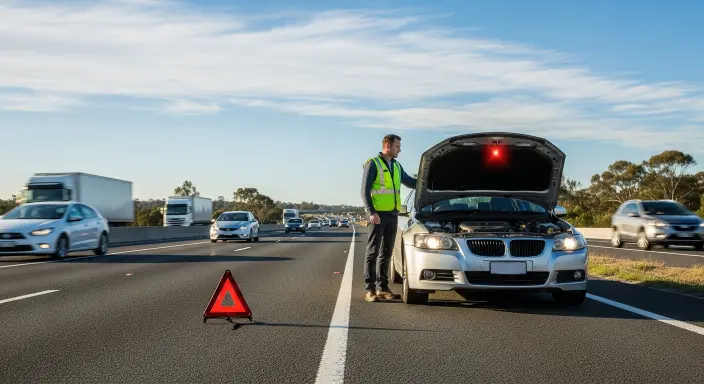
Accident recovery is high-risk and time-sensitive. Equipment must allow safe clearance while protecting operators and motorists, often under police or traffic authority supervision.
Safety Requirements for Towing Equipment
Load Ratings and Certification Labels
All equipment must display readable load ratings. Missing or damaged labels automatically make equipment unsafe and non-compliant under Australian law.
Common Safety Failures and Equipment Misuse
Failures usually result from worn straps, improper attachment points, shock loading, or mixing incompatible equipment. These mistakes often happen when operators rush recoveries.
Operator Training and Licensing Requirements
In NSW, operators must be trained and licensed to use towing equipment. Improper use increases the risk of injury and legal action.
Heavy Duty Towing Equipment Regulations in Sydney and NSW
NSW Transport and Heavy Vehicle Compliance
Heavy recoveries must comply with Transport for NSW and NHVR requirements, including load restraint, recovery methods, and vehicle standards.
Workplace Health and Safety (WHS) Requirements
Businesses must provide safe systems of work, including equipment inspections, training, and documented risk controls for towing operations.
Roadside and Emergency Towing Rules
Emergency recoveries require traffic management plans, warning devices, and safe work zones to protect workers and road users.
Cost of Heavy Duty Towing Equipment in Sydney
Purchase vs Rental Costs
Buying heavy duty towing equipment involves high upfront investment and ongoing compliance costs. Renting is often preferred for specialised or infrequent jobs.
Factors That Affect Pricing
Pricing is influenced by load weight, recovery complexity, distance, required equipment, and time of day, especially for after-hours jobs.
Maintenance and Inspection Costs
Regular inspections and maintenance are mandatory. Skipping maintenance increases failure risk and long-term costs.
DIY Heavy Duty Towing vs Hiring Professionals
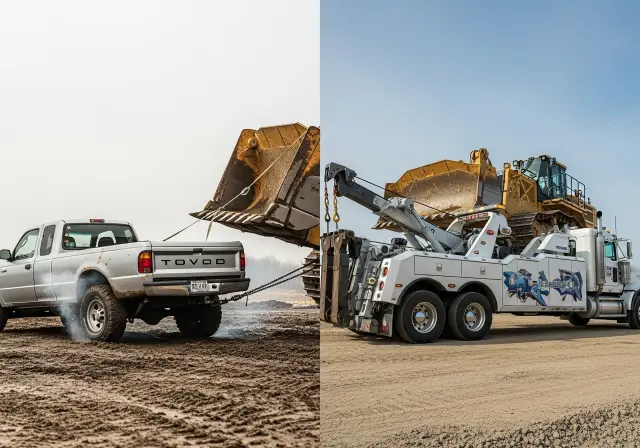
This comparison helps you understand when heavy duty towing can be handled independently and when professional towing services are essential for safety, compliance, and efficiency.
| Comparison Factor | DIY Heavy Duty Towing | Professional Heavy Duty Towing |
|---|---|---|
| Load Capacity | Limited to basic equipment ratings; often underestimated | Correctly rated equipment designed for multi-ton loads |
| Safety Level | High risk of equipment failure and injury | Controlled, risk-managed recovery procedures |
| Traffic Exposure | Unsafe near motorways, intersections, or live traffic | Traffic management and roadside safety protocols in place |
| Recovery Capability | Suitable only for simple towing on flat ground | Handles rollovers, stuck vehicles, and complex recoveries |
| Legal Compliance (NSW) | Often non-compliant or unlicensed | Fully licensed and compliant with NSW regulations |
| Insurance Coverage | High risk of claim rejection | Commercial insurance and liability coverage |
| Equipment Quality | Basic straps, chains, or hired gear | Certified tow trucks, winches, underlifts, and recovery systems |
| Operator Skill | Limited experience; higher error risk | Trained, experienced heavy duty operators |
| Damage Risk | High risk of vehicle, load, or road damage | Reduced risk through correct setup and handling |
| Time to Complete Job | Often delayed due to trial-and-error | Faster, efficient recovery with minimal downtime |
| Cost Outcome | Appears cheaper initially but risky | Higher upfront cost but fewer long-term losses |
| Best Use Case | Very short, low-risk, controlled environments | Roadside, industrial, oversized, or emergency situations |
Common Mistakes When Using Towing Equipment
Underestimating Load Weight
This mistake leads to equipment failure, property damage, and serious injury risks.
Using Incorrect Tow Points
Incorrect attachment can tear mounting points from frames or cause rollovers during movement.
Ignoring Equipment Wear and Damage
Minor wear can escalate into catastrophic failure when equipment is under heavy load.
Why Choose a Professional Heavy Duty Towing Service in Sydney
Access to Certified Equipment
Professionals use equipment designed, tested, and maintained for Australian conditions.
Experienced Operators and Risk Management
Experience reduces mistakes, downtime, and recovery time.
Faster Recovery and Reduced Downtime
Professional towing minimises disruption, damage, and operational delays.
Frequently Asked Questions.
How much weight can heavy duty towing equipment handle?
It depends on equipment ratings, often several tonnes or more.
Is heavy duty towing regulated in NSW?
Yes, strict NSW and Australian regulations apply.
Can I use heavy duty tow straps for trucks and machinery?
Only if correctly rated and used with approved attachment points.
How much does heavy towing equipment cost in Sydney?
Costs vary based on complexity and equipment used.
Is it cheaper to rent or buy heavy duty towing ?
Renting is usually cheaper for short-term needs.
Can I tow heavy machinery myself using rented equipment?
Only if trained, licensed, and compliant.
When should I call a professional heavy duty towing service?
When loads are oversized, unstable, or roadside.
Conclusion
Heavy duty towing equipment is not forgiving of mistakes. In Sydney’s busy and regulated environment, professional towing is often the safest and most cost-effective solution.