Car Emergency Kit: Essential Items Every Driver Should Carry
A emergency kit is one of those things drivers often ignore until they are stranded on the side of the road. It’s easy to assume breakdowns only happen to old cars or careless drivers. In reality, even new vehicles fail. Batteries die. Tyres puncture. Accidents happen without warning.
In Sydney and across NSW, traffic congestion, long highway distances, and extreme summer heat make breakdowns more stressful and sometimes dangerous. A properly prepared car emergency kit doesn’t fix everything, but it keeps you safe, calm, and in control while you wait for help or decide your next step.
This guide explains exactly what a car emergency kit is, what it should contain, how to maintain it, and when calling professionals is the smarter choice.
What Is a Car Emergency Kit and Why It Matters
It is a collection of safety equipment, tools, and personal supplies kept in your vehicle to handle unexpected roadside situations. Its main purpose is not to repair your vehicle fully. Its purpose is to protect your safety when things go wrong.
When a car breaks down, most risks come from traffic exposure, poor visibility, heat, and panic-driven decisions. A proper emergency kit reduces those risks by helping you stay visible, hydrated, and organised while waiting for assistance. Tow truck operators frequently see drivers standing dangerously close to traffic simply because they had no warning gear or plan.
An emergency kit gives you time. Time to think. Time to stay safe. Time until professional help arrives.
Common Roadside Emergencies Prepares You For
Vehicle breakdowns
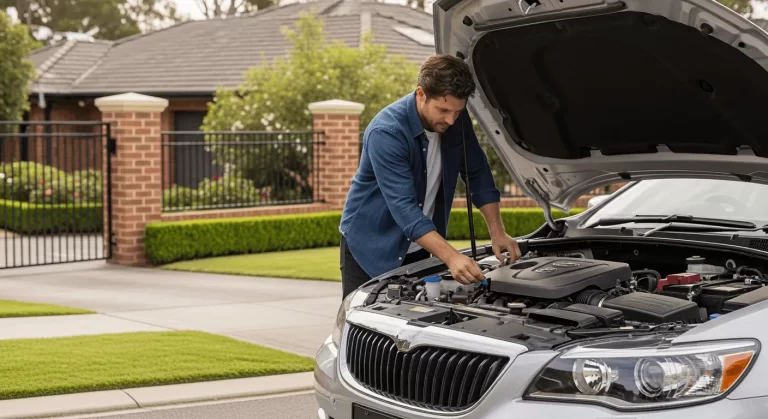
Battery failure is one of the most common reasons vehicles stop unexpectedly. In Sydney, short city trips, stop-start traffic, and hot weather put extra strain on batteries. When a battery dies, you lose headlights, hazard lights, and phone charging ability. An emergency kit helps restore power or keep you safe while waiting.
Flat tyres and minor mechanical failures
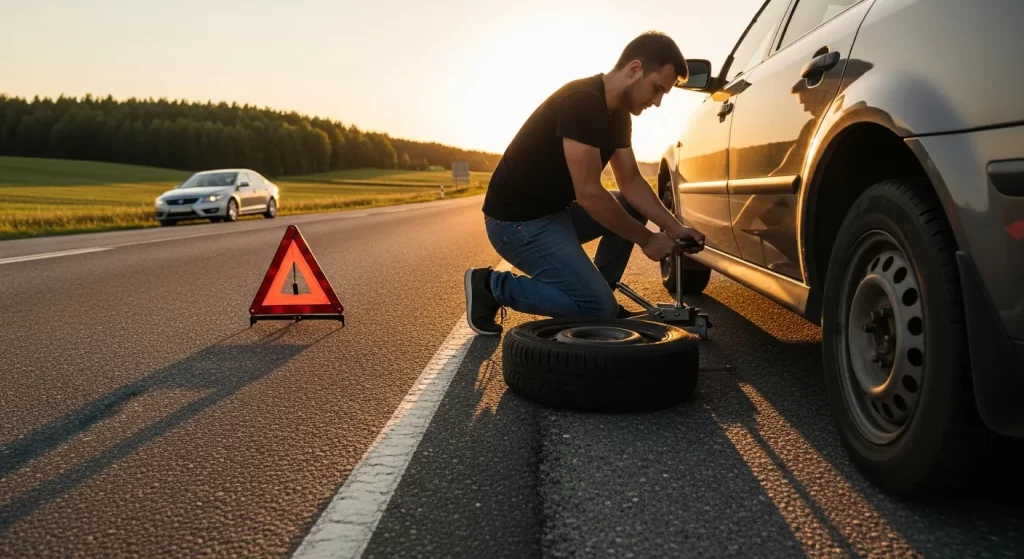
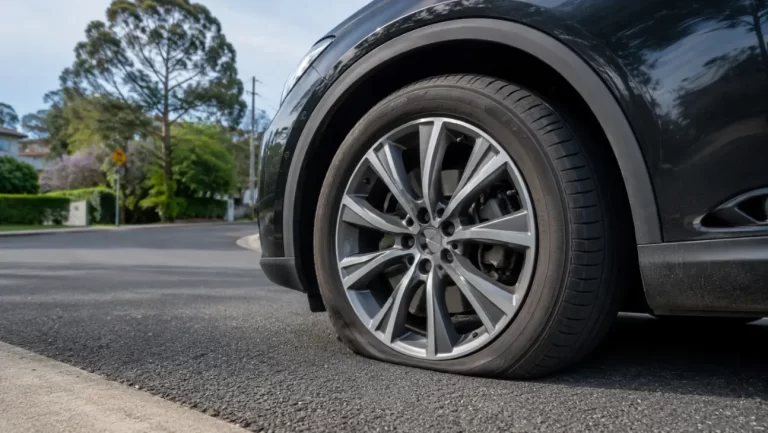
Tyre punctures don’t always happen in convenient places. Changing a tyre on a narrow shoulder or busy road without visibility equipment increases accident risk. It allows you to alert traffic, assess damage safely, and avoid rushing dangerous repairs.
Accidents and collision-related delays
Even small accidents can leave your vehicle stuck for long periods while insurance, police, or towing arrangements are made. During this time, drivers often remain roadside longer than expected. A kit provides comfort, warmth, hydration, and first aid during these delays.
Extreme weather and heat-related issues
Australian summers turn minor breakdowns into serious health risks. Heat exhaustion can start within minutes when standing in direct sun. A car kit with water, sun protection, and thermal blankets can prevent medical emergencies while waiting for help.
Night-time and remote-area breakdowns
Breakdowns after dark or in regional areas are more dangerous due to reduced visibility and slower response times. Lighting, reflective gear, and communication backups become critical safety tools in these situations.
Essential Car Emergency Checklist
Safety and visibility items
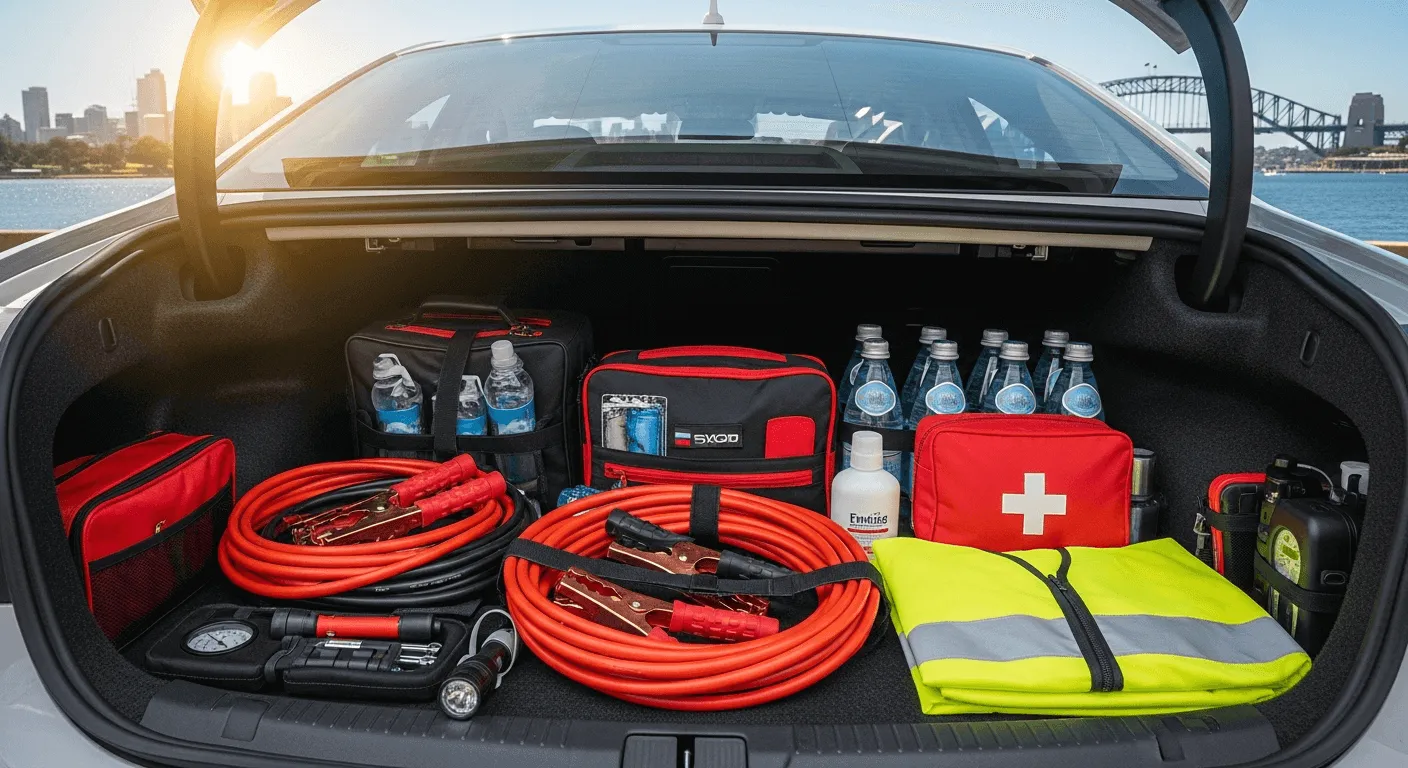
Safety and visibility equipment should always be the first items used during a breakdown. Reflective warning triangles give approaching drivers advance notice. High-visibility vests make you visible even in low light. Torches allow you to see hazards, damage, or tools safely at night. These items significantly reduce the risk of secondary accidents.
Basic vehicle repair tools
Basic tools allow you to perform simple checks or temporary fixes. Screwdrivers and spanners can tighten loose components. A tyre pressure gauge helps you assess whether a tyre is safe to drive short distances. Duct tape and cable ties are not permanent fixes but can stabilise parts until professional repairs are available.
Battery and power-related items
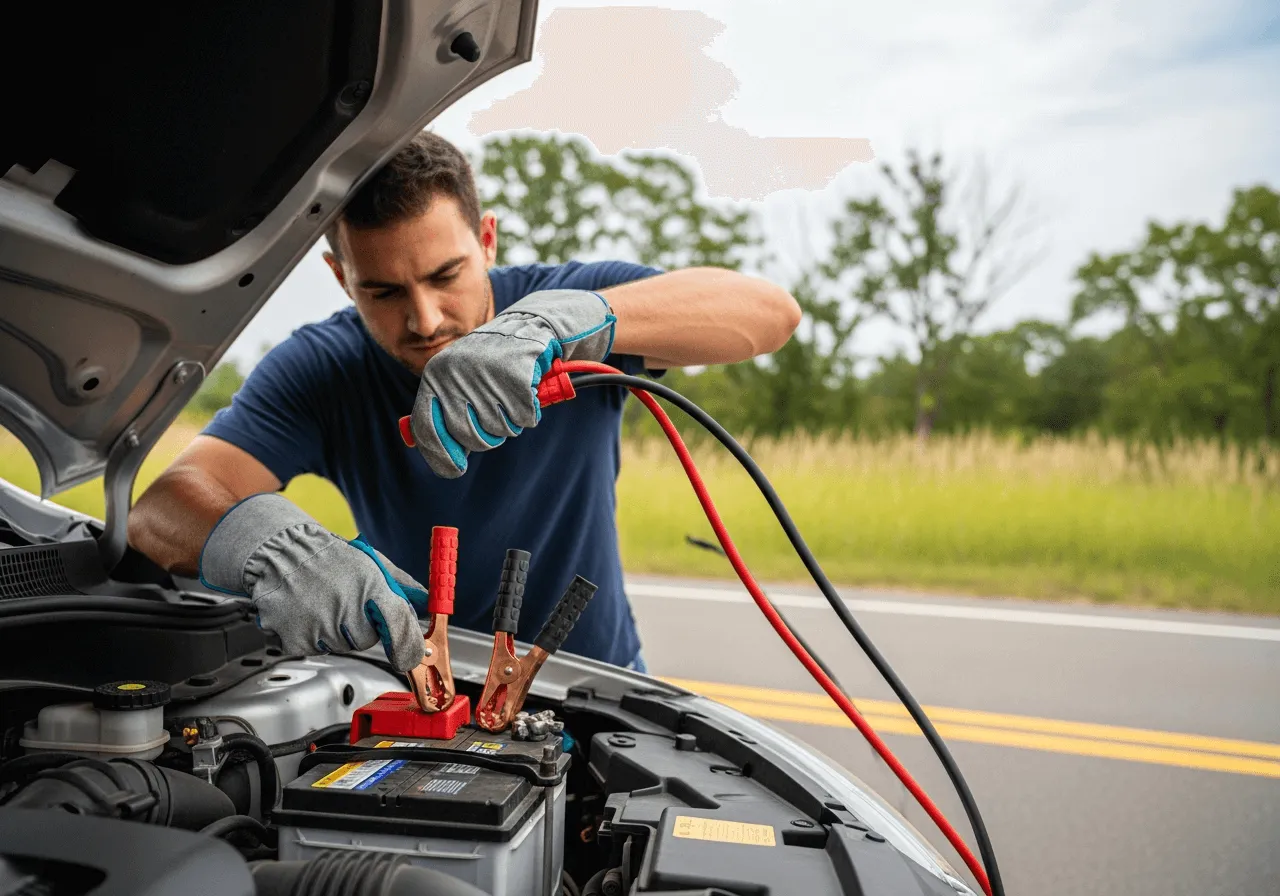
Battery-related issues cause a large percentage of roadside callouts. Jumper cables allow jump-starting with another vehicle. Portable jump starters are even more reliable because they don’t require assistance. Power banks and charging cables ensure your phone stays operational during long waits.
First aid and personal safety supplies
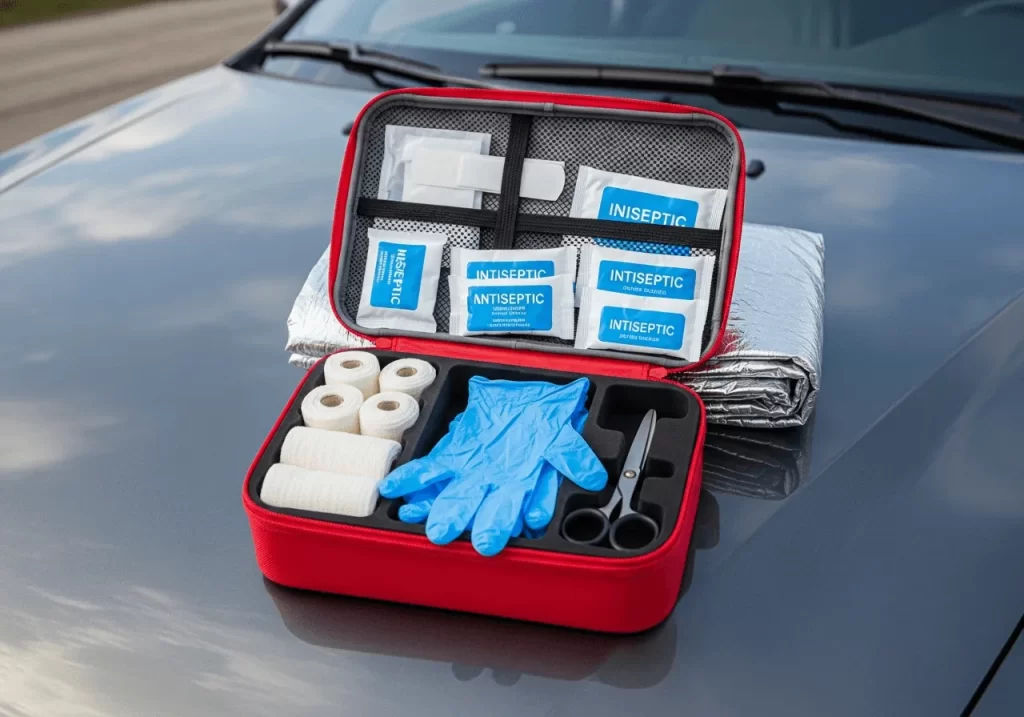
Minor injuries are common during roadside situations. First aid kits help treat cuts, burns, or abrasions from repairs or accidents. Gloves protect your hands while working near hot or sharp components. Having basic medical supplies reduces discomfort and prevents minor injuries from becoming serious.
Emergency communication and navigation tools
Communication tools help you stay connected when things go wrong. A charged phone is essential for calling assistance. A written emergency contact list is useful if your phone fails. Paper maps remain valuable in areas with poor signal or when GPS stops working.
Weather and survival essentials
Weather protection is often underestimated. Water prevents dehydration. Hats and sunscreen protect against sun exposure. Emergency blankets provide warmth during cold nights or shock after accidents. These items help maintain physical safety during extended roadside delays.
Vehicle emergency Kit for Sydney Driving Conditions
Heat and dehydration risks
Heat is one of the biggest roadside dangers in Australia. Vehicles heat quickly when stopped. Without air conditioning, dehydration can set in fast. Carrying sufficient water and sun protection is essential, especially during summer months.
Urban traffic breakdowns in Sydney
Sydney’s heavy traffic increases roadside risk. Narrow lanes and impatient drivers leave little margin for error. Visibility equipment and clear decision-making are far more important than mechanical repairs in these conditions.
Long-distance and regional NSW travel
Regional travel means fewer service stations and longer towing response times. A comprehensive emergency kit helps drivers remain safe and comfortable while waiting for assistance in remote areas.
Coastal and wet-weather considerations
Rain and coastal weather reduce traction and visibility. Wet shoulders increase slip risk. Proper footwear, lighting, and warning equipment help prevent injuries during tyre changes or inspections.
DIY Car Emergency Kits vs Pre-Made Emergency Kits
Pros and cons of building your own kit
Building your own kit allows you to select high-quality items and personalise for family members, pets, or medical needs. However, DIY kits often miss essentials or rely on cheap tools that fail under stress.
What ready-made kits often miss
Pre-made kits are convenient but frequently lack water, reliable lighting, and power solutions. Many include low-grade tools that break when needed most.
Cost comparison and value considerations
A quality emergency kit costs significantly less than one emergency towing job or missed workday. Viewed long-term, it’s one of the cheapest safety investments drivers can make.
How to Maintain and Update Your Car Emergency Checklist
How often to check your kit
Emergency kits should be checked at least twice a year and before long trips. Regular checks ensure items are functional and complete.
Items that expire or degrade over time
Batteries lose charge. First aid items expire. Water degrades in heat. These items must be replaced regularly to remain effective.
Seasonal updates and vehicle changes
Seasonal driving conditions change risks. Summer kits require more water. Family changes may require additional supplies. Vehicles with different boot sizes may need reorganising.
Common Car Emergency Checklist Mistakes to Avoid
Relying on outdated or expired supplies
Expired items create false confidence. Drivers assume they are prepared until they need an item that no longer works.
Carrying low-quality or unsafe tools
Cheap tools often fail under pressure, leading to delays or further damage.
Forgetting personal and family-specific needs
Children, elderly passengers, and pets have unique needs that must be planned for.
Assuming roadside assistance replaces a kit
Roadside assistance fixes problems. Emergency kits protect people during the wait.
When a Emergency Kit Is Not Enough
Situations that require professional towing
Mechanical failures, accident damage, and electrical faults require professional equipment and experience.
Safety risks of staying roadside too long
The longer you remain roadside, the higher the risk of secondary accidents.
When to stop DIY and call experts
If repairs expose you to traffic, heat, or further damage, stop immediately and call professionals.
Professional Roadside Help and Emergency Support Options
Roadside assistance services
Useful for minor repairs but response times vary based on location and demand.
Emergency towing services in Sydney
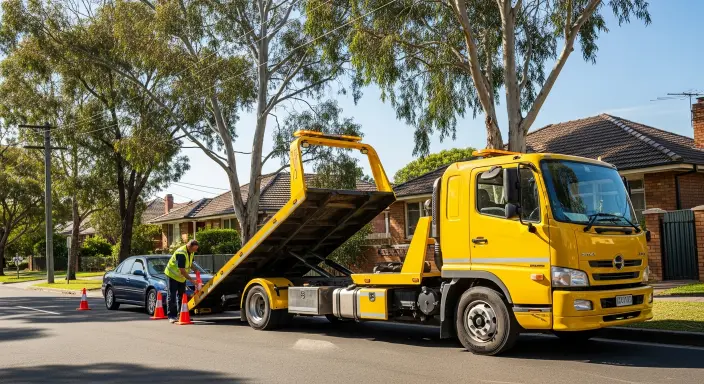
Essential for accidents, unsafe breakdowns, and non-drivable vehicles.
How professionals respond faster and safer
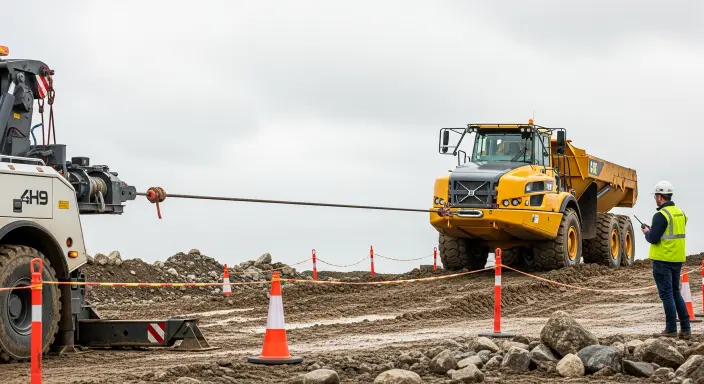
Tow operators use traffic management, recovery tools, and experience to reduce risk and clear hazards safely.
FAQs
What should be included in a basic car emergency kit?
Include visibility gear, jumper cables, first aid supplies, water, and phone chargers. These keep you safe and prepared on the road.
Do I really need a car emergency kit if I have roadside assistance?
Yes. Roadside assistance takes time to arrive, so a kit protects you while waiting.
How much does a good car emergency kit cost?
A quality kit usually costs far less than a single emergency breakdown call. It’s a small investment in safety.
How often should I check or replace items in my emergency kit?
Check your kit every six months or before long trips. Replace expired supplies and dead batteries.
What are the most commonly forgotten car emergency kit items?
Drivers often forget water, phone chargers, and high-visibility gear, which are essential for safety.
Conclusion: Be Ready Before You Need It
A car emergency kit is about preparation, not fear. It keeps you safe, reduces stress, and gives you options when unexpected problems arise. When a kit is no longer enough, professional towing and roadside services are the safest solution.
Prepared drivers make better decisions.
Better decisions prevent accidents.