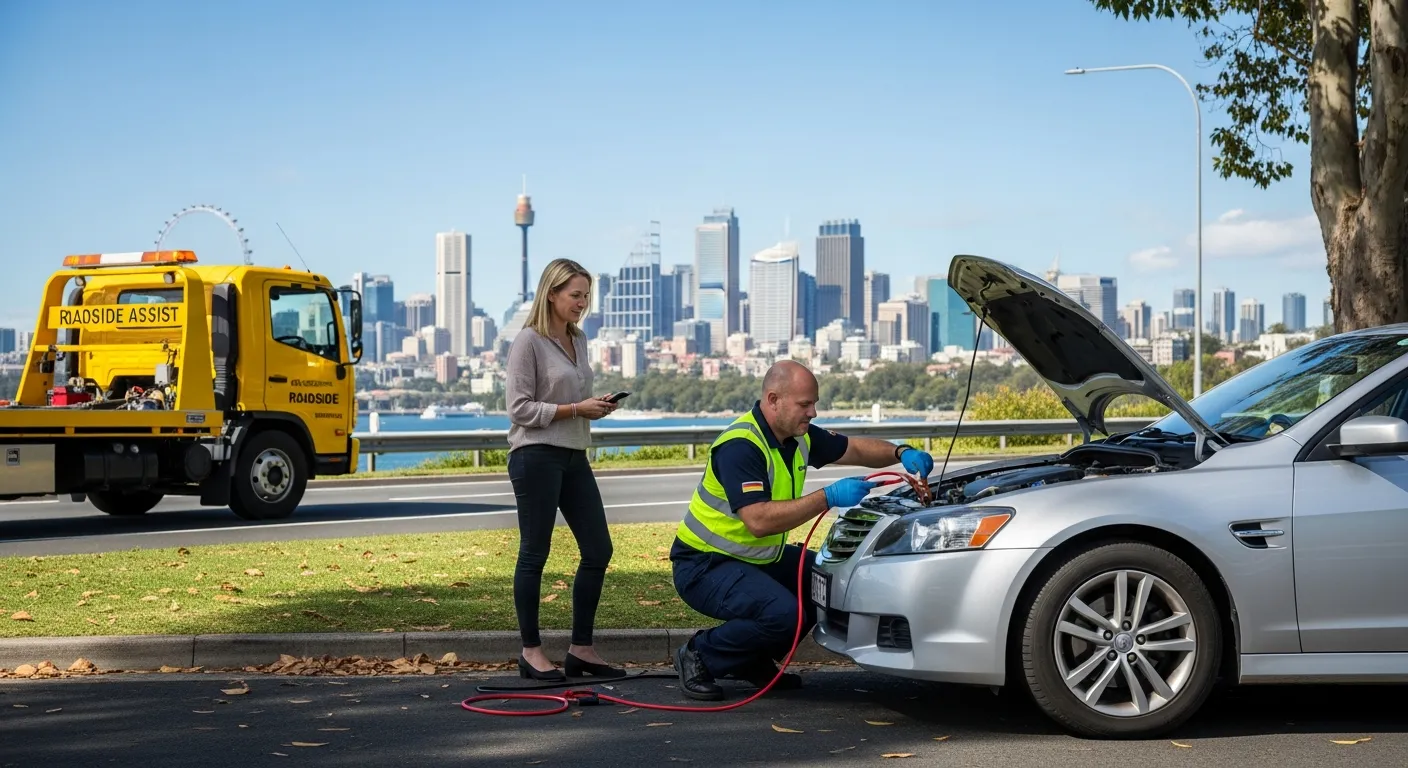
How to Jump Start a Car: Guide Based on What Actually Happens on Road
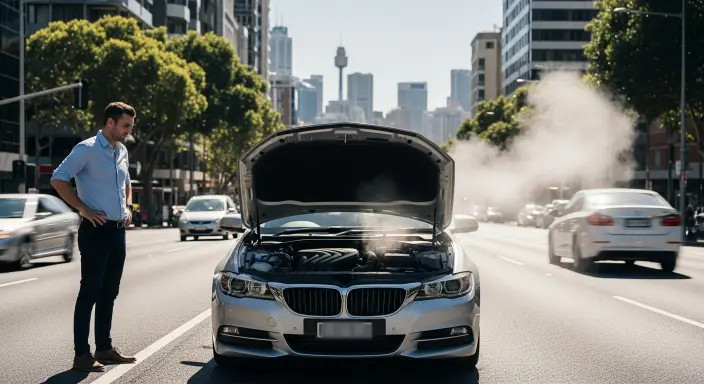
A dead car battery never feels serious at first. You turn the key. Nothing happens. Maybe a click. Maybe silence. Most drivers think, “I just need a quick jump start.” Sometimes they’re right. Often, they’re not.
If you’re wondering how to jump start a car safely in Sydney, this guide covers everything — from reading the warning signs, understanding battery health, using jumper cables or portable jump starters, to knowing when to call professional help. No guesswork, no shortcuts just real-world advice for Sydney drivers.
Understanding Why Your Car Won’t Start
When you turn the key or press the start button and get:
- Rapid clicking
- Slow, weak cranking
- Dim dashboard lights
- Complete silence
You are almost always dealing with a battery-related issue. Here’s how professionals read it fast:
- Rapid clicking → battery voltage too low
- One solid click → starter motor engages, battery can’t deliver enough power
- Lights on, no crank → weak battery or corroded terminals
- No lights, no sound → fully flat or failed battery
In Sydney, the majority of non-start callouts are battery-related, not alternators or starter motors.
Important: A jump start is not a repair. It’s a temporary recovery. If the battery is failing internally, how to jump start a car only buys you time.
Common Causes of Dead Batteries in Sydney
Sydney conditions quietly destroy batteries, often without drivers noticing. Not because cars are unreliable, but because of how we use them:
- Short trips – school runs, shopping trips. The battery never fully recharges.
- Cars parked for days – modern vehicles constantly draw small power even when idle.
- Summer heat – accelerates battery fluid evaporation and reduces capacity.
- Dashcams and accessories – small drains add up quickly.
- Stop-start systems – great for fuel efficiency, tough on batteries.
Knowing how to jump start a car correctly can help you diagnose whether the issue is a weak battery or a deeper electrical problem
Safety Precautions Before Jump Starting
This is where most DIY guides fail — and where damage happens. Car batteries release hydrogen gas, which is highly flammable. Hydrogen + spark = serious risk.Before attempting how to jump start a car, always follow safety steps to prevent sparks, electrical damage, or battery hazards
Before touching cables:
- Turn both engines off
- Make sure cars aren’t touching
- Remove keys from the ignition
- Turn on hazard lights
- No smoking, no sparks
Crucial: Never connect the black (negative) cable directly to the dead battery terminal. That spark must be away from the battery, not above it.
Step-by-Step: How to Jump Start a Car with Jumper Cables
Jumper cables look simple. Two colours. Four clamps.That simplicity is deceptive.More roadside damage happens during jumper-cable jump starts than any other DIY roadside task.Following these instructions carefully ensures you know how to jump start a car without risking damage to your battery, starter, or electronics.”
Step 1: Assess the Situation Before You Touch Anything
Before opening the bonnet, look and smell.
If you notice:
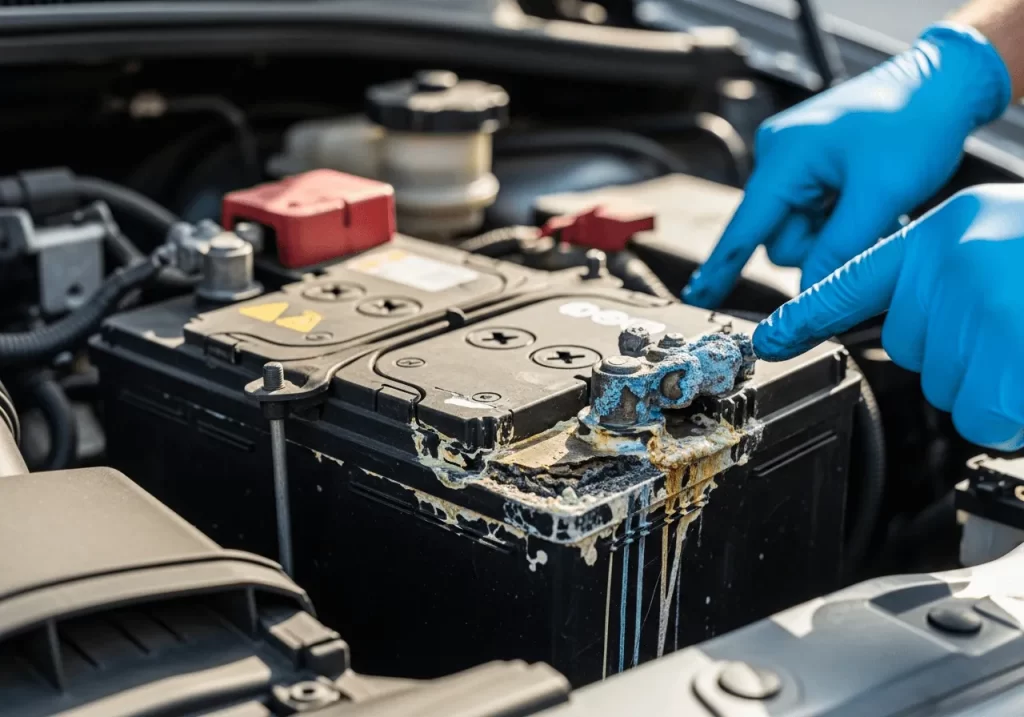
- Swollen battery casing
- Cracks or leaks
- Strong sulphur smell (rotten eggs)
Do not attempt a jump start.
That battery is failing internally and can rupture.
At this stage, the correct response is roadside assistance in Sydney, not experimentation.
Step 2: Use the Right Equipment (Cheap Cables Cause False Failures)
Most drivers buy the cheapest jumper cables they can find.
That’s a mistake.
Thin cables:
- Overheat quickly
- Deliver weak current
- Cause slow cranking
- Create misleading symptoms
Many people think the car “won’t start” when the real issue is poor cable quality.
Professional roadside technicians use thick, copper-core cables with strong insulated clamps for a reason.
Step 3: Correct Cable Connection Order (And Why It Exists)
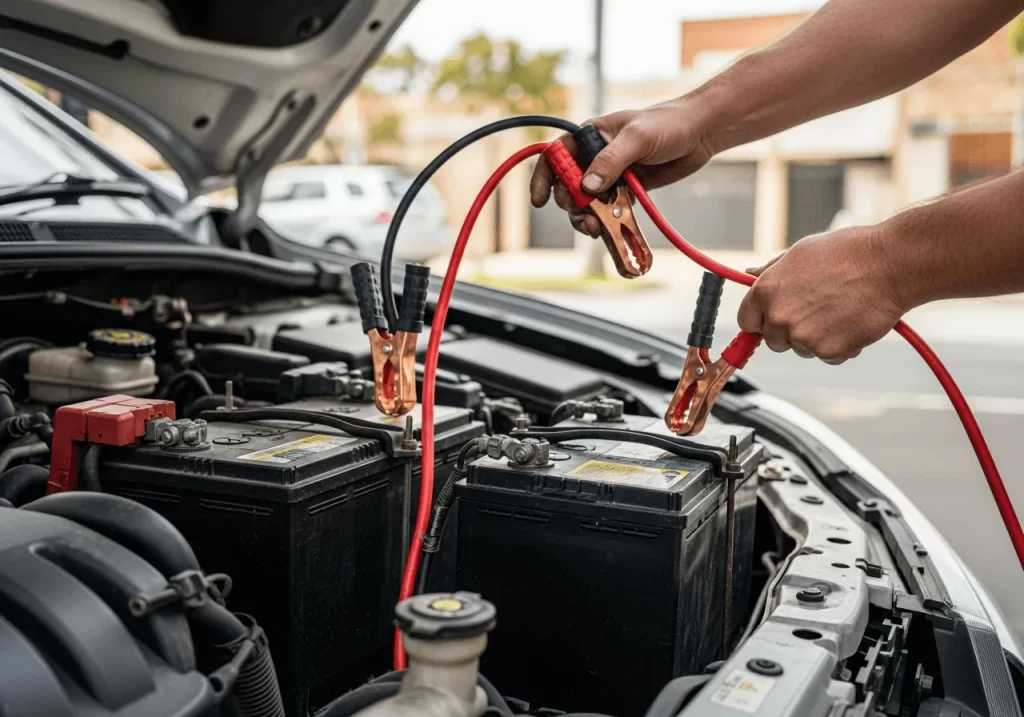
This order is designed to prevent sparks near battery gas and protect electronics.
- Turn both vehicles off
- Red clamp to dead battery positive (+)
- Red clamp to working battery positive (+)
- Black clamp to working battery negative (–)
- Black clamp to bare metal on the dead car (engine block or chassis)
That final ground connection is critical.
Connecting the last black clamp directly to the dead battery creates sparks near flammable hydrogen gas.
This is how batteries explode.
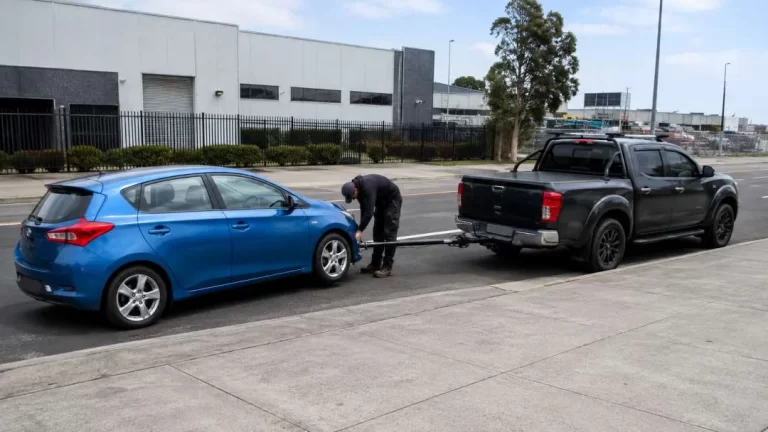
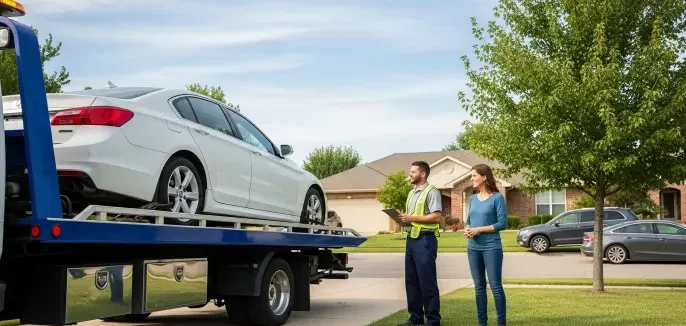
This single mistake is a major reason drivers later need car towing services in Sydney after a jump attempt.
Step 4: Starting the Vehicles Safely
Start the working car first.
Let it idle calmly for two to three minutes.
Do not rev aggressively.
Revving causes voltage spikes and stresses alternators.
Now attempt to start the dead car.
If it doesn’t start within five seconds, stop and wait.
Continuous cranking overheats the starter motor.
How to Jump Start a Car Using a Portable Jump Starter
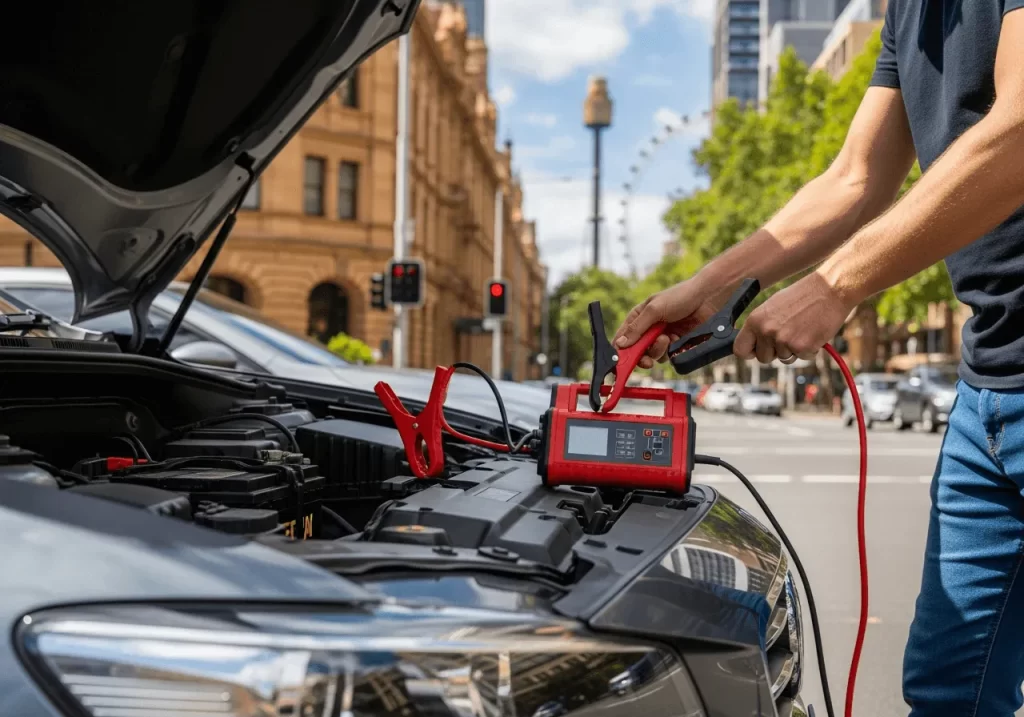
Portable jump starters have changed roadside recovery.
They’re now the preferred method for professionals.
Why Portable Jump Starters Are Safer Than Jumper Cables
A quality jump starter:
- Regulates voltage
- Prevents reverse polarity
- Eliminates alternator strain
- Works in confined spaces
This is why many drivers now rely on jump start services in Sydney instead of cable-based attempts.
Understanding the Limits of Jump Starters
A jump starter doesn’t “fix” a battery.
It provides temporary power.
If the battery is deeply discharged or internally damaged, the car may start once — and fail again soon after.
Correct Usage Process (Timing Matters)
- Ensure the vehicle is fully off
- Connect red clamp to positive terminal
- Connect black clamp to negative or chassis
- Power on the jump starter
- Start the vehicle within 30 seconds
If the vehicle doesn’t start, stop.
Wait one minute. Try once more only.
More attempts mean:
- Battery internal failure
- Starter motor issue
- Electrical system fault
Jump starting revealed the truth: the battery was near the end of its life.
The correct solution was battery replacement services in Sydney, not repeated jump starts.
Can You Push Start a Car? (Manual Cars Only)
Push starting is one of the most misunderstood techniques.
Yes, it can work.
No, it’s not reliable anymore.
Conditions Required for a Successful Push Start
- Manual transmission only
- Battery must retain some voltage
- Vehicle without advanced immobiliser systems
The engine control unit still needs power to allow ignition and fuel injection.
Why Push Starting Often Fails on Modern Cars
Modern vehicles rely on electronics for:
- Ignition timing
- Fuel delivery
- Immobiliser authentication
If battery voltage drops too low, the system refuses to start — no matter how fast you push.
Common Jump-Starting Mistakes to Avoid
This section exists because these mistakes happen every single day.
Mistake 1: Reversing Polarity
Even brief incorrect connections can:
- Blow fuses
- Damage ECUs
- Trigger permanent warning lights
Some electrical damage doesn’t show immediately.
It appears days later.
Mistake 2: Revving the Donor Vehicle
Revving does not help charging speed.
It creates voltage spikes.
Professionals idle calmly. Always.
Mistake 3: Disconnecting Cables Immediately
The battery needs time to stabilise.
Immediate disconnection often causes stalling.
This leads drivers to search for 24/7 roadside assistance Sydney after thinking the issue was solved.
How Long to Drive After Jump Starting a Car
This is where most drivers misunderstand battery charging.
Why Short Drives Don’t Work
Starting a car uses a large burst of energy.
Short trips don’t replace that energy.
Stop-start city traffic drains batteries further.
Realistic Recharge Timelines
- City driving: minimum 40 minutes
- Highway driving: 25–30 minutes
Even then, a failing battery may not recover.
If the car doesn’t start the next day, replacement is unavoidable
When to Call Roadside Assistance in Sydney
Some situations are not DIY.
Call roadside assistance in Sydney immediately if:
- Battery is leaking or swollen
- Car stalls repeatedly
- Warning lights remain on
- You are stopped in traffic
- You smell burning plastic or wiring
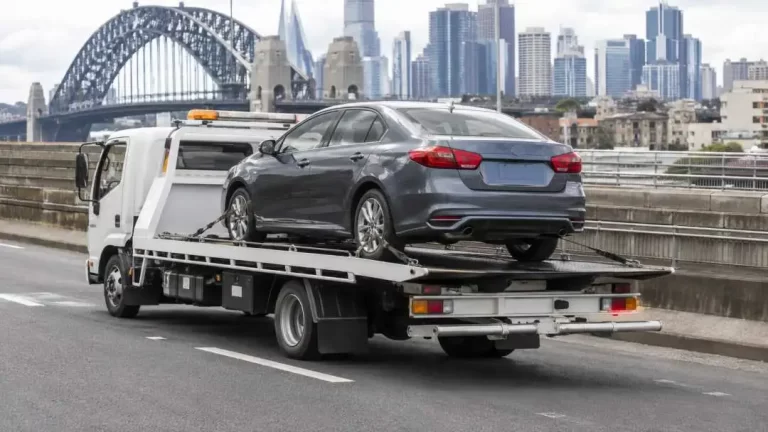
Calling emergency towing Sydney earlier would have saved money and stress.
FAQs:
Can jump starting damage my car?
Yes. Incorrect connections can blow fuses or damage ECUs and sensors. The risk goes up in modern cars packed with electronics.
Is it safe to jump start in the rain?
Yes, if you keep clamps secure and insulated and avoid letting metal ends touch. Rain doesn’t automatically make it dangerous — sloppy cable handling does.
Can a small car jump start a bigger car?
Usually yes. Engine size doesn’t matter. Battery voltage does. Both should be 12V systems in most normal passenger vehicles.
How many times can I jump start a battery?
Once or twice. More than that means replacement is due. A battery that keeps dying is already failing.
Can hybrid or EVs be jump started?
Most hybrids still have a 12V battery. EVs vary. Always check the manual because jump points are sometimes located away from the battery.
Final Expert Advice
A dead battery can strike at any time, and knowing how to jump start a car is useful. But DIY attempts carry risks. For the safest, fastest, and most reliable results, professional jump start services in Sydney are the way to go. They protect your battery, starter, and electronics while getting you back on the road quickly. Remember: jump starting is a temporary fix — for lasting results, call the experts.