Tow Truck Driver Career: A Practical Guide for Australia
A tow truck driver career can be a good choice for people who enjoy driving, practical work and helping motorists when things go wrong. The job is not only about moving a broken-down car. It also involves careful planning, safe vehicle handling and clear communication with customers.
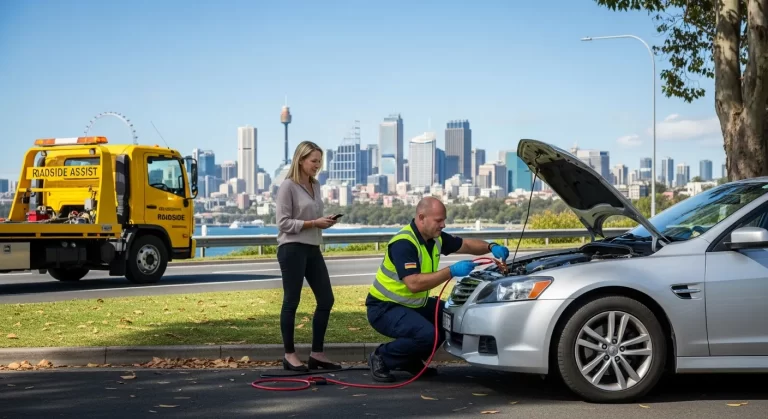
No two shifts are exactly the same. One call may involve a vehicle that will not start in a shopping centre, while the next may be an accident-damaged car on a busy road. This guide explains what the work involves, how to enter the towing industry in NSW and what to check before accepting your first role.
Is a Tow Truck Driver Career Right for You?
This work often suits people who prefer an active day instead of sitting in one place. You may travel between homes, workshops, car parks, accident scenes and roadside locations, so you need to feel comfortable working in changing conditions.
You also need patience. Customers may be tired, worried or upset when you arrive. A calm driver who listens, explains the next step and avoids rushing can make a difficult situation much easier.
A towing role may suit you if you:
- Enjoy driving and hands-on work
- Can stay calm when plans change
- Take safety procedures seriously
- Are comfortable working independently
- Communicate clearly with different people
- Can manage early starts, late shifts or call-outs
- Are willing to learn new equipment and recovery methods
It may be less suitable if you need the same routine every day or dislike working near traffic, in poor weather or under time pressure.
What Does a Tow Truck Driver Do?
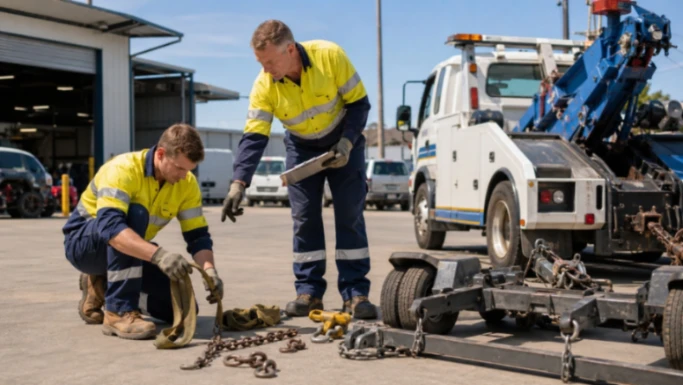
A tow truck driver career involves collecting vehicles that cannot be driven safely or need transport to another location. The vehicle may be taken to a repair workshop, storage yard, dealership, auction site or another approved destination.
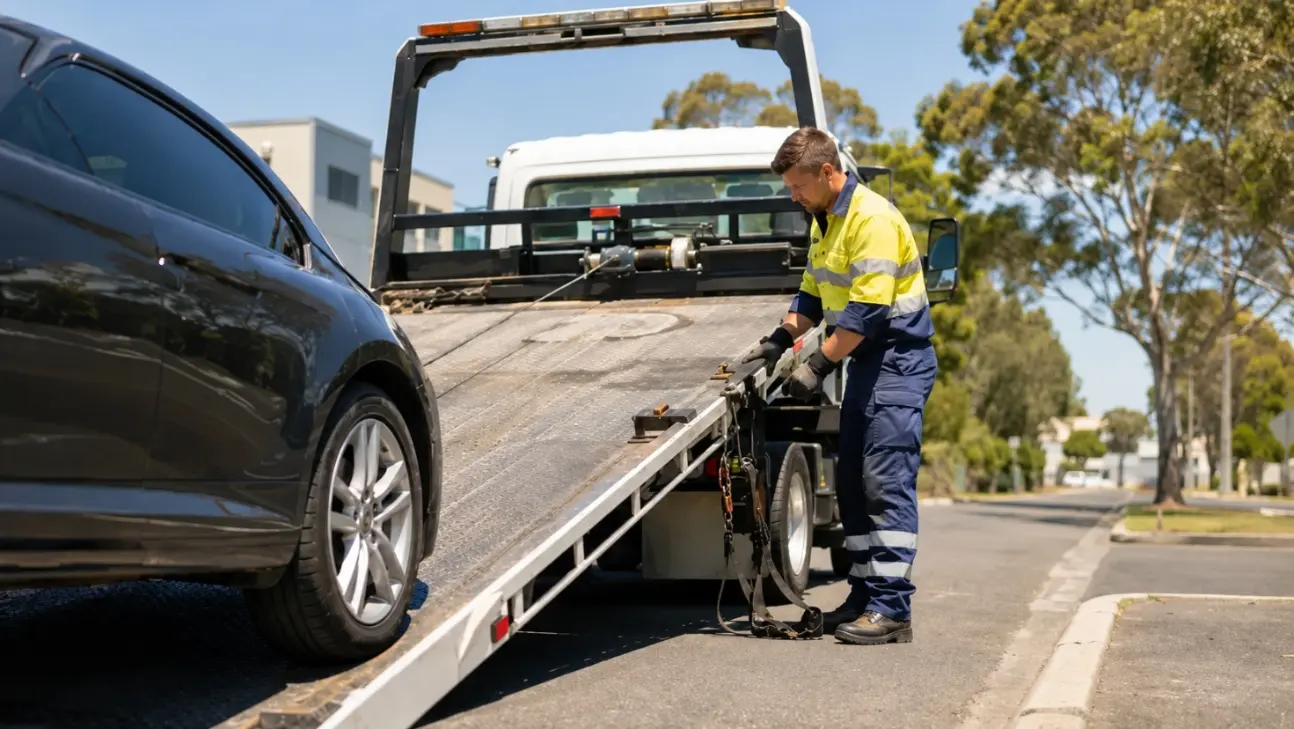
The driver first checks the vehicle, its position and the surrounding area. They then choose a safe loading method, secure the vehicle, confirm the delivery location and complete the required job records.
Daily Duties of a Tow Truck Driver
Common duties include:
- Checking the truck, tray, winch, straps and safety equipment
- Receiving job details from a dispatcher or booking system
- Planning a safe and practical route
- Assessing the vehicle and access conditions on arrival
- Taking photos of the vehicle before loading
- Operating a tilt tray, wheel lift, winch or other recovery equipment
- Securing the vehicle with suitable restraints
- Transporting and unloading the vehicle carefully
- Completing invoices, condition reports and job notes
- Reporting damaged, worn or unsafe equipment
Attention to detail is important throughout the job. A missed safety check or poorly placed restraint can damage a vehicle and create a serious road risk.
Common Types of Towing Work
1. Breakdown Towing
Breakdown towing involves vehicles that cannot continue because of a mechanical, electrical, tyre or cooling problem. Many of these jobs are straightforward, but the driver must still check access, traffic and the condition of the vehicle before loading.
2. Accident Towing
Accident-damaged vehicles may have broken wheels, leaking fluids or body damage that makes normal loading difficult. The driver must work carefully around traffic, debris and emergency services while avoiding further damage to the vehicle.
3. Vehicle Transport
Not every tow begins with an emergency. Workshops, dealerships, auction yards and private owners may need a vehicle moved even when it can still be driven. These jobs usually require careful scheduling and clear collection records.
4. Specialist Towing
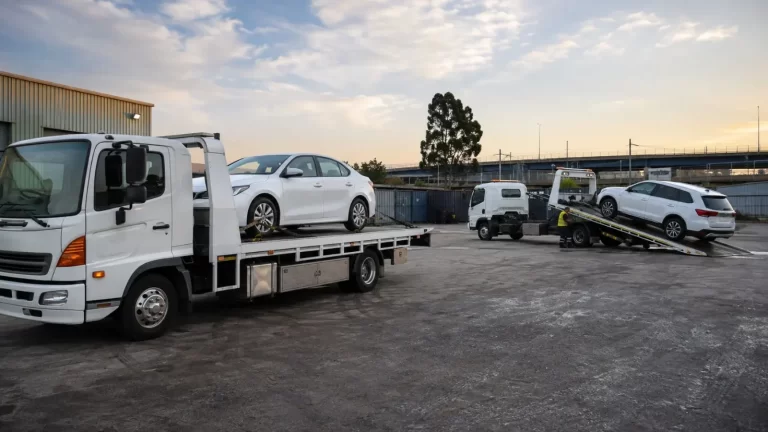
Specialist work can include motorcycles, prestige cars, machinery, low-clearance vehicles and cars stuck in underground parking areas. Operators often use tilt tray towing when a vehicle needs controlled loading, secure tie-downs and extra protection during transport.
5. Heavy Recovery
Heavy recovery covers trucks, buses and large commercial vehicles. This work needs advanced training, suitable equipment and a strong understanding of vehicle weight, recovery angles and site control.
How to Become a Tow Truck Driver in NSW
Starting a tow truck driver career in NSW means meeting both driving and industry requirements. The exact rules differ across Australian states and territories, so applicants should check the requirements that apply where they plan to work.
In NSW, a person carrying out regulated towing work must hold a valid Tow Truck Drivers Certificate issued by NSW Fair Trading. Applicants also need an unrestricted Australian driver licence and the correct licence class for the truck they will drive.
The truck, rather than the job title, determines the required vehicle licence class. Some employers ask for an MR licence or higher because of the size of their fleet, while lighter trucks may have different requirements.
NSW Tow Truck Driver Requirements
| Requirement | What It Means | Why It Matters |
|---|---|---|
| Unrestricted Australian driver licence | You need a current full driver licence | Learner and provisional licences do not meet the NSW certificate requirement |
| Correct licence class | Your licence must cover the size and type of truck | A licence suitable for a car may not cover a larger tow truck |
| Tow Truck Drivers Certificate | NSW Fair Trading must authorise you to carry out regulated towing work | It confirms that you are authorised to work as a tow truck driver |
| National Police Check | A recent police check is supplied with the application | It helps assess whether an applicant is suitable for the role |
| Driving record | A recent traffic history is also required | Safe driving history matters in a road-based occupation |
| Employer induction | The employer trains you in its trucks, equipment and procedures | Equipment and workplace systems can vary between operators |
A driver certificate is different from a tow truck operator licence. The certificate allows an eligible person to drive and perform towing work. An operator licence is needed to run a towing business.
Training and Work Experience
1. Meet the Driving Requirements
Start by checking the licence class used across the employer’s fleet. This helps you avoid applying for a position or training course that does not match the truck you will actually drive.
2. Apply for the Required Certificate
Complete the NSW driver certificate process and prepare the required identification, photograph, police check and driving record. Read the certificate conditions carefully so you understand your responsibilities before beginning work.
3. Complete Supervised Training
A new driver should learn loading and recovery work under supervision. Training may cover tilt tray controls, winching, safe attachment points, load restraint, equipment checks and unloading on different surfaces.
4. Build Practical Experience
Experience in truck driving, roadside assistance, vehicle transport, automotive work or customer service can make the move into towing easier. It shows that you understand road safety, responsibility and working with the public.
5. Consider Relevant Industry Training
A driving operations qualification or specialist training may support your application and future progress. It should build practical ability, but it does not replace a licence or certificate required by law.
Skills Employers Look For
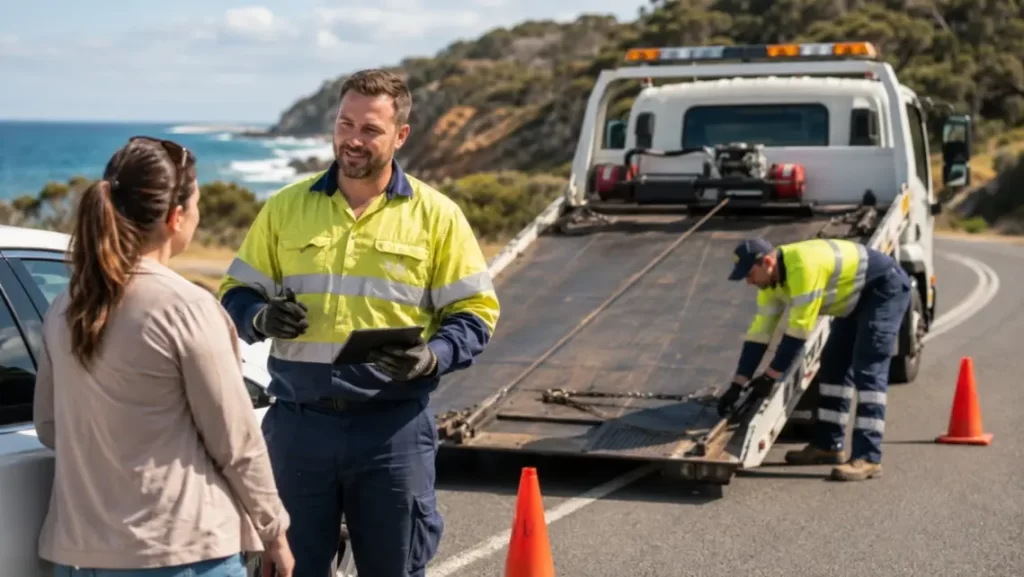
Success in a tow truck driver career depends on more than controlling the truck. Employers need a person who can protect the customer’s vehicle, make sensible decisions and represent the business professionally.
Useful skills include:
- Safe driving: Controlling a truck in traffic, narrow streets and busy yards
- Vehicle loading: Positioning and securing different vehicles correctly
- Hazard awareness: Spotting poor ground, traffic risks and unstable vehicles
- Clear communication: Explaining the process without confusing the customer
- Problem-solving: Choosing a safer option when access or vehicle damage creates difficulty
- Time management: Moving between jobs without skipping important checks
- Record keeping: Completing accurate photos, notes and delivery details
- Basic vehicle knowledge: Understanding common faults and signs of damage
- Physical readiness: Handling equipment and working outdoors during a shift
- Independent judgement: Knowing when a job needs extra equipment or support
Mechanical experience is helpful, but you do not need to be a qualified mechanic. Good judgement, careful training and a willingness to ask for help are often more important for a new driver.
What the Job Is Really Like ?
A tow truck driver career includes quiet periods, urgent calls and unexpected delays. Traffic may slow the journey, a vehicle may be harder to access than described or the customer may provide an incomplete address.
The best drivers stay organised without becoming impatient. They update the dispatcher, explain delays honestly and take the time needed to load the vehicle properly.
Drivers may also handle jobs in areas where traffic, parking and limited access make recovery more demanding. Providing tow truck services in Sydney CBD can involve tight loading spaces, busy roads and carefully planned vehicle movement.
Working Hours and Call-Outs
Towing businesses may operate during standard daytime hours or provide service around the clock. Depending on the employer, you may work fixed shifts, rotating rosters, weekends, public holidays or an on-call period.
Ask how the roster works before accepting a job. Find out how overtime, travel time, waiting time and after-hours call-outs are paid. You should also know whether the truck stays at the depot or is taken home between shifts.
Fatigue matters in transport work. A professional operator should have clear expectations around rest, shift length and availability rather than expecting drivers to remain ready at all times.
Roadside Safety and Customer Pressure
Roadside work can place the driver close to fast traffic, poor lighting and limited space. Safe truck positioning, suitable warning equipment and awareness of moving vehicles are essential before any loading begins.
Customer pressure can also affect a job. A person may want their car moved quickly or disagree with the safest loading method. The driver needs to stay polite, explain the risk and avoid shortcuts that could injure someone or damage the vehicle.
Tow Truck Driver Pay and Job Opportunities
There is no single pay rate that applies to every tow truck driver career. Income can change with the employer, location, licence class, roster and type of work. A role involving heavy recovery or difficult after-hours jobs may be structured differently from regular daytime vehicle transport.
When comparing offers, look at the full employment package rather than only the advertised hourly rate. Check the base pay, overtime, penalty rates, call-out payments, allowances, superannuation and whether training time is paid.
What Affects Tow Truck Driver Pay?
1. Driving and Towing Experience
An experienced driver who can manage jobs with less supervision may have access to more roles and stronger pay negotiations.
2. Licence Class
A higher heavy-vehicle licence can open opportunities across larger trucks and specialist fleets. It does not replace towing training, but it can widen the type of work available.
3. Type of Towing Work
Standard light-vehicle transport is different from accident recovery, heavy towing or difficult-access work. Specialist jobs often carry greater responsibility.
4. Shift Times
Night work, weekends, public holidays and on-call duties may affect total earnings. The arrangement should be clearly explained before you begin.
5. Overtime and Call-Outs
A role with regular overtime may provide higher weekly earnings, but it can also affect rest and family time. Consider whether the roster will be sustainable in the long term.
6. Specialist Skills
Advanced winching, heavy recovery, machinery transport and low-clearance work can make a driver more valuable to an operator.
7. Location and Employer
Workloads, rates and job types can differ between metropolitan, regional and remote areas. Employment conditions also vary between businesses.
Where Tow Truck Drivers Can Work ?
Tow truck driver jobs may be available with:
- Local towing businesses
- Roadside assistance providers
- Vehicle transport companies
- Automotive workshops
- Auction and storage yards
- Insurance recovery contractors
- Car dealerships
- Specialist recovery operators
- Fleet and machinery transport businesses
Some operators recruit directly when they find a suitable driver. A clear resume and professional introduction may therefore be useful even when no public job advertisement is active.
Benefits and Challenges of Tow Truck Driving
A tow truck driver career can offer variety and practical career growth, but the working conditions will not suit everyone.
| Benefits | Challenges | What to Consider |
|---|---|---|
| Every day can bring different jobs and locations | The roster may include nights and weekends | Decide whether the hours suit your personal commitments |
| You can help motorists during stressful situations | Some customers may be upset or impatient | Calm communication is an important part of the job |
| The work is active and practical | Roadside conditions can be risky | Safety procedures must never be rushed |
| Experience can lead to specialist recovery work | Some tasks are physically demanding | Ask what equipment handling is involved |
| Drivers often work independently | Support may not be immediately beside you | Good judgement and reliable communication are essential |
| Skills can transfer into transport or operations roles | Workloads may change without warning | You need to adapt without losing focus |
For many people, a tow truck driver career feels rewarding because the work has a clear purpose. You arrive when someone cannot continue their journey and leave after the vehicle has been moved safely.
The main challenge is doing that consistently when the conditions are difficult.
Career Growth in the Towing Industry
A tow truck driver career does not have to remain at entry level. Progress usually comes from safe work, a strong driving record and experience with different vehicles rather than simply spending a set number of years in the industry.
Specialist and Heavy Recovery
With further training, a driver may move into:
- Prestige and classic vehicle transport
- Motorcycle recovery
- Machinery and equipment towing
- Low-clearance recovery
- Difficult-access winching
- Truck and bus recovery
- Complex accident recovery
Specialist work should be learned through proper instruction and supervised practice. Recovery equipment has working limits, and guessing is never a safe training method.
Operations and Business Opportunities
Experienced drivers may move into dispatch, driver training, fleet coordination or operations supervision. These positions use road experience to plan jobs, support drivers and manage customer expectations.
Business ownership is another possible path, but it brings different legal and financial duties. Running a towing business involves operator licensing, insurance, compliant trucks, record keeping, staff management and reliable job systems.
It is usually wiser to understand the industry from the driver’s seat before taking on those responsibilities.
How to Get Your First Tow Truck Driver Job ?
The first step into a tow truck driver career is often a clear and honest application. It should show that you are dependable, safety-minded and realistic about the work.
Keep your resume simple and place your driver licence class near the top. Include relevant experience such as:
- Truck or commercial driving
- Roadside assistance
- Vehicle transport
- Automotive or workshop work
- Shift or on-call work
- Customer service
- Safety checks and reporting
- Navigation and route planning
- Use of job management apps
- Outdoor or physically active work
Do not claim recovery skills you have not been taught. Employers are more likely to trust an honest applicant who is ready to learn than someone who exaggerates their experience.
Preparing for the Interview
Be ready to discuss your driving history, availability and approach to safety. The employer may ask how you would deal with an upset customer, an unsafe roadside location or a vehicle that cannot be loaded as expected.
Use real examples from previous work where possible. A clear example of staying calm, following a process or reporting a problem can be more convincing than simply saying you are hard-working.
Questions to Ask Before Accepting a Role
- What type of towing work will I usually perform?
- Which truck will I drive, and what licence class does it require?
- How much supervised training will I receive?
- What hours are included in the normal roster?
- How are overtime, weekends and call-outs paid?
- Is waiting or travel time paid?
- Who supplies safety equipment and work clothing?
- What support is available during a difficult recovery?
- How are existing vehicle damage and new damage claims recorded?
- Will I take the truck home or return it to the depot?
A reputable employer should be able to answer these questions clearly. Vague pay arrangements or pressure to attempt work without training are warning signs.
Is Tow Truck Driving a Good Career?
A tow truck driver career can suit someone who values practical work, variety and independence. It can also provide a pathway into specialist recovery, fleet operations or other transport roles.
The work becomes demanding when traffic, weather, damaged vehicles and anxious customers appear at the same time. For the right person, however, solving those problems safely can make the job satisfying and worthwhile.
FAQs
1. Is an MR Licence Required for Every Tow Truck Job?
No. The required licence class depends on the size and type of truck. Many employers ask for an MR licence or higher, so check the role before applying.
2. Can I Apply Without Previous Towing Experience?
Yes. Some employers provide supervised training, but you still need the right licence, certificate and a safe driving history.
3. Can an Interstate Driver Work in NSW?
Eligible interstate certificate holders may be able to work in NSW under mutual recognition rules. They may still need to notify NSW Fair Trading before starting work.
4. What Checks May an Employer Complete?
An employer may check your licence, driving record, police check, references and right to work. Some roles may also include a medical or fitness assessment.
5. Should I Accept a Commission-Based Towing Role?
Only after the payment terms are clear. Check the base rate, commission method, call-out pay, waiting time, superannuation and expected hours.
6. Who Is Responsible if a Vehicle Is Damaged?
Responsibility depends on the cause and company procedures. Clear photos, inspection notes and immediate reporting help protect both the driver and the customer.
Conclusion
A successful start begins with the correct licence, NSW driver certificate and proper workplace training. Choose an employer that takes safety seriously and gives new drivers enough supervised practice.
Build experience with everyday jobs before moving into specialist or heavy recovery work. With patience and sound judgement, a tow truck driver career can grow into a reliable long-term role in Australia’s transport and roadside assistance industry.