Expert Guide to Transport a Broken Car Safely Without Damage
Experiencing a car breakdown can be stressful, especially in busy Sydney streets. Whether it’s a flat tire on the M4 or engine failure near Circular Quay, knowing how to transport a broken car safely is essential to protect yourself, your passengers, and your vehicle.
In this guide, we cover step-by-step safety measures, different towing options, common mistakes, and expert tips to make the transport process smooth, secure, and legally compliant in NSW.
Understanding Vehicle Breakdowns and Risks
Before you can transport a broken car safely, it’s important to understand the common causes of breakdowns and the risks involved on Sydney roads.
Common Reasons Cars Break Down in Sydney
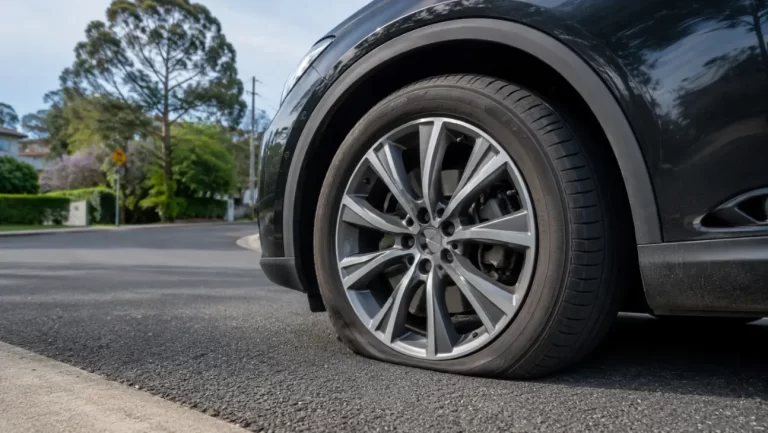
In Sydney, heavy traffic, potholes, and long urban drives put additional strain on vehicles. Common reasons for breakdowns include engine overheating due to stop-and-go traffic on major motorways like the M4 and M5, dead batteries from leaving lights on in city parking areas, or flat tires caused by debris or poor road conditions. Fuel issues are also frequent, particularly during long-distance trips to coastal suburbs like Cronulla or Newcastle.
Safety Risks When Your Car Breaks Down on Busy Roads
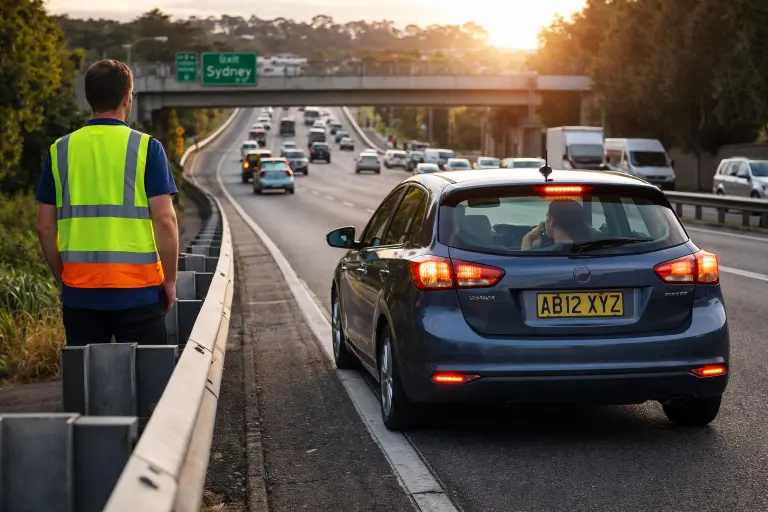
A broken down vehicle on a busy road poses several risks. The most immediate danger is collision with moving traffic, especially if the car is not properly positioned on the shoulder.
Drivers and passengers are exposed to weather hazards and the unpredictability of other vehicles. Additionally, attempting to exit the car in high-speed lanes or tunnels can lead to serious injuries.
Legal Obligations for Drivers in NSW During a Breakdown
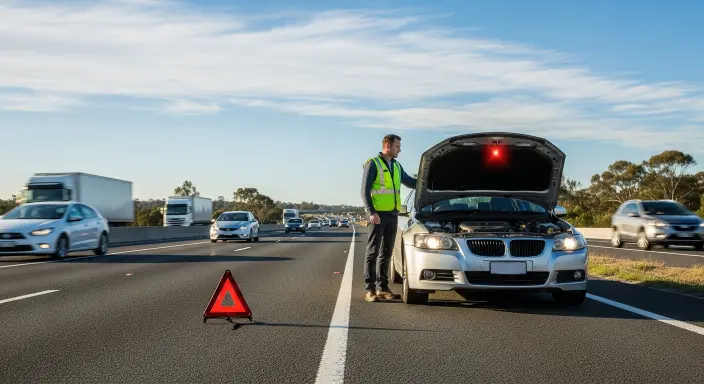
NSW law sets specific obligations for drivers experiencing a breakdown. Drivers must activate hazard lights and, if possible, place reflective warning triangles at a safe distance behind the vehicle.
Vehicles should be moved out of traffic lanes as soon as safely possible. Drivers are also responsible for keeping passengers safe until professional assistance arrives.
Immediate Safety Steps After a Breakdown
Following the right steps immediately after a breakdown is critical if you want to transport a broken car safely and avoid accidents.
How to Assess Your Surroundings Safely
As soon as your vehicle stops, assess your surroundings. If possible, move the car to a safe shoulder or side street.
Avoid stopping in high-speed lanes or near bends with poor visibility. Keep passengers away from moving traffic, and stay alert to approaching vehicles.
Using Hazard Lights, Reflective Triangles, and Cones
Activating your hazard lights immediately alerts other drivers. Placing reflective triangles 20–50 meters behind the car provides an additional safety signal, especially at night or in low visibility. If you have cones, set them up around the vehicle to further warn approaching drivers.
Deciding Whether to Stay Inside or Exit the Vehicle
Whether to stay inside or exit depends on the situation. On highways or high-speed roads, it is generally safer to remain inside the vehicle with seatbelts fastened, provided you are clear of traffic.
On quieter urban streets, exiting the vehicle may be safer, but always assess traffic conditions carefully. Keep a mobile phone ready for emergency calls.
Preparing Your Car for Transport
Proper preparation ensures that your vehicle is ready to transport a broken car safely, preventing damage during loading and transit.
Check Vehicle Condition Before Moving
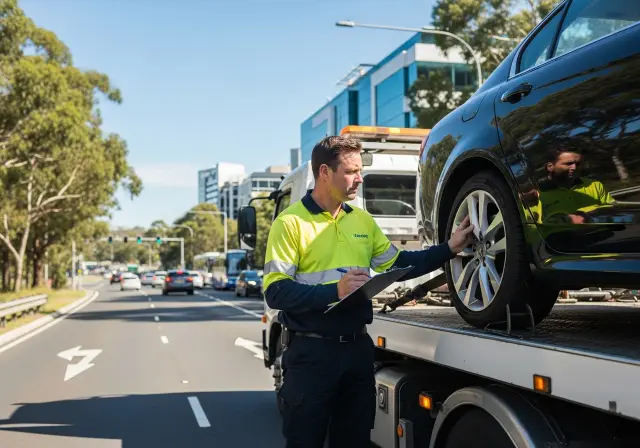
Before transport, check your car’s condition. Ensure the handbrake is off if using a flatbed tow truck, and remove any hazardous materials or fluids. Verify that wheels are aligned and tires are inflated appropriately for towing.
Securing Loose Items and Personal Belongings
Loose items inside the cabin or trunk can shift during transport and cause damage. Remove valuables, heavy tools, and fragile items. Secure any loose parts, including bumpers, spoilers, or side mirrors.
Recommended Emergency Gear to Carry in Sydney
Every driver should carry a basic emergency kit. Essential items include a reflective vest, warning triangles, a first aid kit, and a portable car jack with basic tools. Having these items ready can save time and prevent hazards during unexpected breakdowns.
Transport Options for Broken Vehicles
Choosing the right towing method is key when you need to transport a broken car safely, whether short-distance or long-distance
Flatbed Tow Trucks
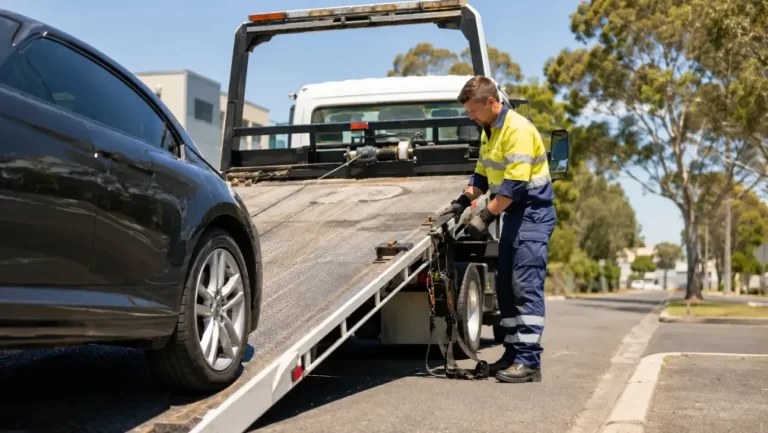
Flatbed trucks are generally the safest option for transporting broken cars, especially for long distances. They lift the car entirely off the ground, preventing wheel and axle damage.
The main downside is cost, as flatbeds are typically more expensive than other methods, and they may not fit easily in tight urban parking spaces.
Wheel Lift Towing – When to Use
Wheel lift towing is often used for short distances and quick roadside pickups. It lifts either the front or rear wheels off the ground, leaving the remaining wheels on the road. While cost-effective, wheel lift towing can stress the vehicle’s suspension and is not recommended for long distances or severely damaged cars.
Long-Distance Vehicle Transport Services
For transport beyond Sydney or across state lines, long-distance carriers are ideal. These professional services use flatbed or enclosed carriers to safely move vehicles. They are perfect for auctions, repairs, or relocations and often include insurance coverage for added peace of mind.
Choosing the Right Towing Service in Sydney
When selecting a towing service, verify licenses and compliance with NSW regulations. Compare reviews, estimated arrival times, and insurance coverage. Discuss vehicle specifics and confirm whether a flatbed or wheel lift truck is appropriate for your situation.
Step-by-Step Guide to Safe Vehicle Transport
This step-by-step guide will show you exactly how to transport a broken car safely from pickup to drop-off..
Contacting a Professional Tow or Transport Service
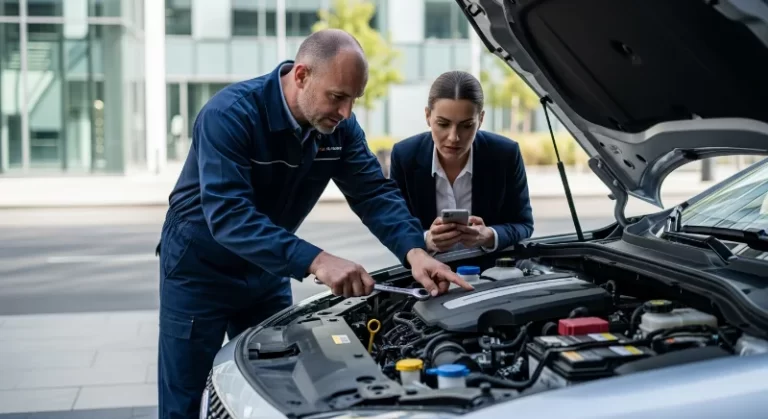
Call a licensed Sydney towing company as soon as possible. Provide details about your vehicle’s location, type, and condition. Confirm estimated arrival times, cost, and equipment required.
Preparing Documentation and Vehicle Information
Before the vehicle is loaded, prepare your registration, insurance details, and any roadside assistance information. Take photographs of the car for insurance purposes, especially if damage is present.
Coordinating Pickup and Drop-Off Locations
Select safe loading areas away from traffic. Communicate clearly with the towing service about drop-off locations and any special instructions, such as garage access or workshop details.
Safety Tips During Transport
While the vehicle is being loaded, stay clear of moving parts. Ensure all straps, chains, and wheel locks are properly secured. Avoid sudden movements or stops that could destabilize the vehicle during transport.
DIY Transport vs Professional Services
Knowing when to DIY and when to hire a professional is essential if you want to transport a broken car safely in urban areas like Sydney.
| Aspect | DIY Towing | Professional Towing Service |
|---|---|---|
| Safety | Higher risk of accidents if not properly equipped or trained | Trained professionals ensure your car is handled correctly and transported safely |
| Distance | Only recommended for short distances and quiet roads | Suitable for both short and long distances, including interstate transport |
| Legal Compliance | Risk of fines for unlicensed towing or unsafe practices | Fully licensed and compliant with NSW road laws |
| Equipment | Limited to personal tow ropes, small tow bars, or trailers | Equipped with flatbeds, wheel lifts, and specialized tools for safe transport |
| Cost | Low upfront cost but higher risk of vehicle damage | Professional services cost more, but reduce damage risk and stress |
| Convenience | Requires planning, extra effort, and safety checks | Quick, reliable, and handled by experts, saving time and effort |
| Risk of Vehicle Damage | High if car is improperly loaded or secured | Minimal, as professionals follow all safety protocols for transporting broken cars safely |
Cost and Time Considerations
Understanding cost and timing helps you plan effectively to transport a broken car safely without unexpected delays or expenses.
Typical Towing Costs in Sydney
Short-distance flatbed towing within Sydney typically costs between $120–$250, while long-distance transport can cost $2–$5 per kilometer. Emergency callouts or after-hours services may carry additional fees.
Factors That Affect Transport Time and Price
Transport costs and duration depend on distance, vehicle size, road conditions, and the type of towing service used. Peak-hour traffic in Sydney can also delay arrival times.
Insurance Coverage and Roadside Assistance Options
Many insurance providers and roadside assistance memberships cover towing fees, including flatbed and wheel lift services. Always confirm coverage before booking a service.
Common Mistakes and How to Avoid Them
Avoiding common mistakes is crucial to transport a broken car safely, ensuring your vehicle arrives undamaged.
Overloading the Tow Vehicle
Overloading a tow truck beyond weight limits stresses both the towing and towed vehicles. Always adhere to recommended weight capacities to prevent accidents.
Ignoring NSW Road Laws During Transport
Failing to display hazard lights or warning signs can result in fines. Using unlicensed tow trucks is illegal and can lead to severe legal consequences.
Skipping Pre-Transport Safety Checks
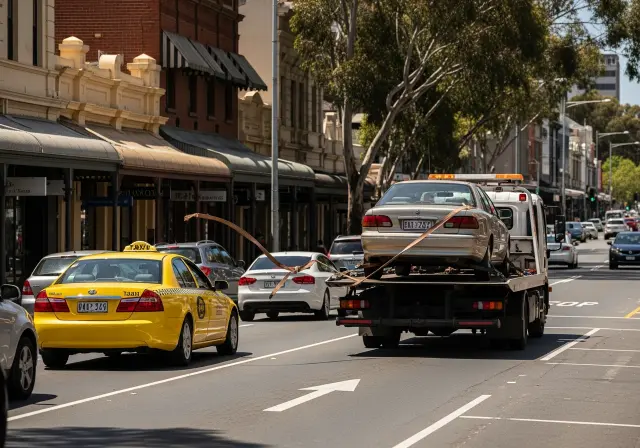
Neglecting checks such as securing loose parts, verifying wheel locks, and preparing documentation can result in vehicle damage or accidents. Always complete a full safety check before departure.
Additional Resources
NSW Transport Safety Guidelines
The NSW Road Users Handbook provides comprehensive guidance on handling breakdowns safely.
Trusted Sydney Towing Companies
Licensed towing providers ensure compliance with NSW regulations and offer reliable transport services, whether short-distance or long-distance.
Emergency Contact Numbers
Keep emergency numbers handy, including police, ambulance, and roadside assistance services in Sydney.
FAQ Section
How do I transport a broken car safely in Sydney?
Call a licensed towing company and follow safety procedures for loading and securing the vehicle.
Can I tow my car myself or should I call a professional?
DIY towing is only safe for short distances with proper equipment; otherwise, hire professionals.
What types of towing trucks are best for broken vehicles?
Flatbed trucks are safest; wheel lift trucks work for short distances.
How much does it cost to transport a broken car in Sydney?
Short-distance towing costs $120–$250; long-distance is charged per kilometer.
What safety equipment do I need when my car breaks down?
Hazard lights, reflective triangles, vest, first aid kit, and emergency tools.
How far can a car be safely towed without damage?
With a flatbed, any distance is safe; wheel lift towing is better for short distances only.
What are the legal rules in NSW for towing a broken car?
Display hazards, use licensed tow trucks, and avoid obstructing traffic lanes.
Can a flatbed tow truck handle long-distance transport?
Yes, flatbeds are ideal for interstate or long-distance vehicle transport.
What mistakes should I avoid when moving a broken car?
Overloading, ignoring safety checks, and DIY towing on busy roads.
Should I leave valuables inside my car during transport?
No, remove all valuables to prevent theft or damage.
Conclusion
Transporting a broken car safely requires careful planning, adherence to safety protocols, and selecting the right towing service. Avoid common mistakes and follow NSW laws to protect yourself, your passengers, and your vehicle.