
What to Do When Car Runs Out of Fuel: Safe Steps for Sydney Drivers
Running out of fuel can leave you stranded unexpectedly, especially if the warning light has been on longer than expected or the distance-to-empty display changes quickly. Knowing what to do when car runs out of fuel can help you get the vehicle somewhere safe, avoid unnecessary risks and arrange the right assistance.
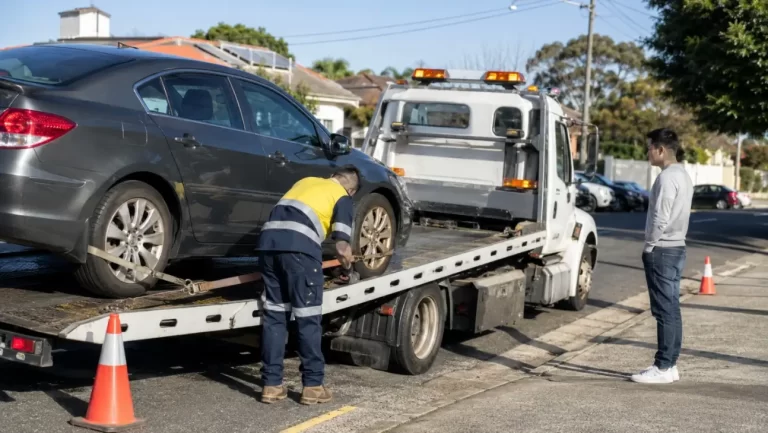
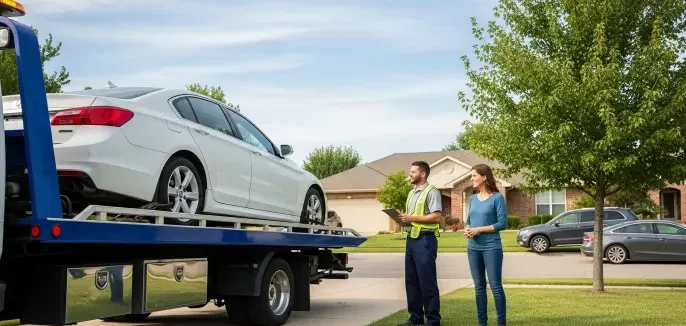
If the vehicle cannot continue after refuelling, professional car towing can help move it to a workshop, home or another suitable destination.
What Happens When Your Car Runs Out of Fuel?
A petrol or diesel engine needs a continuous fuel supply to operate. As the tank becomes empty, the vehicle may begin losing power, hesitating or spluttering before the engine eventually stops.
The exact behaviour varies between vehicles, but recognising the early warning signs may give you enough time to move somewhere safer before the car comes to a complete stop.
Warning Signs Before the Engine Stops
The fuel warning light is usually the clearest sign that the tank is becoming critically low. However, other symptoms can appear when very little fuel remains.
You may notice:
- Fuel gauge sitting close to empty
- Distance-to-empty display falling quickly
- Engine hesitation
- Poor acceleration
- Spluttering or uneven power
- Engine eventually stalling
The estimated range shown on the dashboard should be treated as a guide rather than a guaranteed driving distance. Traffic, hills, driving speed and vehicle load can all affect how quickly the remaining fuel is used.
Why the Car May Not Restart Straight Away
Adding petrol or diesel does not always mean the engine will restart immediately. The fuel system may need time to restore pressure before the engine can run normally again.
Repeatedly trying to start the engine can also weaken the battery. Diesel vehicles may require extra attention because air can enter the fuel system when the tank runs completely dry.
What to Do When Car Runs Out of Fuel
If your engine begins losing power while driving, focus first on getting the vehicle into the safest available position. Do not concentrate on restarting the engine while the car is still exposed to moving traffic.
Once safely stopped, assess the situation and decide whether you need fuel assistance or towing.
Move Away From Moving Traffic
If the car still has momentum, indicate and guide it towards a safer stopping area.
Suitable locations may include:
- Road shoulder
- Breakdown lane
- Emergency stopping area
- Side street
- Parking area
- Safe space away from active traffic
Avoid stopping around blind corners or in places where approaching drivers may struggle to see your vehicle.
Turn On Your Hazard Lights
Once the vehicle has stopped, switch on the hazard lights so other road users can see that your car is stationary.
If visibility is poor, ensure the vehicle remains as visible as possible without standing in an exposed position beside moving traffic.
Confirm Your Location
Before contacting roadside assistance or a towing provider, work out your exact position.
Useful details include:
- Street or road name
- Suburb
- Direction of travel
- Nearest intersection
- Motorway exit
- Nearby landmark
- Live map location
Providing accurate details can help assistance reach you more efficiently.
Arrange Fuel Assistance
If the empty tank is the only issue, fuel recovery may be enough to get you moving again. A fuel recovery service can bring suitable fuel to the vehicle so you can attempt a restart and travel to the nearest service station.
Avoid walking for petrol if doing so means travelling beside fast-moving traffic or through an unsafe roadside area.
Breakdown on Motorway: What to Do
A fuel-related stop on a motorway requires extra care because traffic is moving at higher speeds. If possible, move the car completely away from active traffic lanes and into a breakdown or emergency stopping area.
If you are unsure about a breakdown on motorway what to do, focus on protecting yourself first rather than trying to solve the mechanical problem immediately.
Find the Safest Available Position
Move as far away from moving traffic as the situation safely allows. Switch on the hazard lights and make sure the vehicle can be seen by approaching drivers.
Do not stand behind or beside the car where passing traffic could place you at risk.
Arrange Professional Assistance
If fuel is delivered but the vehicle still does not start, there may be another issue such as a weak battery or fuel-system problem.
In that situation, emergency towing may be needed to remove the vehicle and take it to a safer destination.
Staying Safe While Waiting for a Tow Truck
After assistance has been arranged, your priority should remain personal safety. Avoid unnecessary roadside activity while waiting for the tow truck to arrive.
For staying safe while waiting for a tow truck, consider the following:
- Keep the hazard lights on
- Stay away from moving traffic
- Keep your phone available
- Avoid standing directly behind the vehicle
- Do not attempt repairs in an unsafe location
- Have the vehicle keys ready
- Keep passengers together in a safe position
If the towing operator calls, clearly explain your vehicle’s position and any access issues that could affect collection.
Can Running Out of Fuel Damage Your Car?
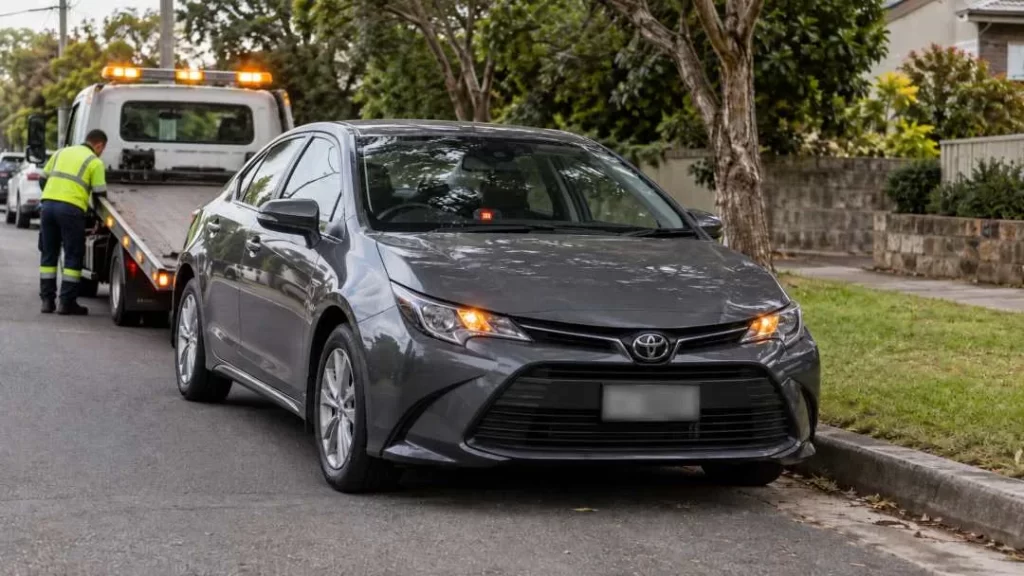
Running out of fuel once does not automatically mean serious vehicle damage has occurred. However, repeatedly allowing the tank to become completely empty is best avoided.
Different petrol and diesel systems can respond differently when fuel supply is interrupted.
Petrol Vehicles
A petrol vehicle may start normally after enough fuel is added and the system rebuilds fuel pressure. The correct restart process can vary between manufacturers.
If the engine repeatedly fails to start, stop trying before the battery becomes weak. A breakdown towing service may be needed if the vehicle cannot be made mobile.
Diesel Vehicles
Diesel vehicles may be more difficult to restart after the tank runs dry because air can enter the fuel lines.
Some models have an automatic priming system, while others require a specific procedure. Check the owner’s manual rather than repeatedly cranking the engine.
Common Roadside Emergencies
Running out of fuel is only one situation that can leave a vehicle stranded. Understanding some common roadside emergencies can help you decide whether the issue can be managed safely or whether the car needs professional transport.
| Roadside issue | First action | Towing may be needed when |
|---|---|---|
| Empty fuel tank | Move somewhere safe and arrange fuel | Vehicle will not restart |
| Flat battery | Arrange a safe jump start | Battery or charging issue remains |
| Flat tyre | Stop in a safe position | Tyre cannot be changed safely |
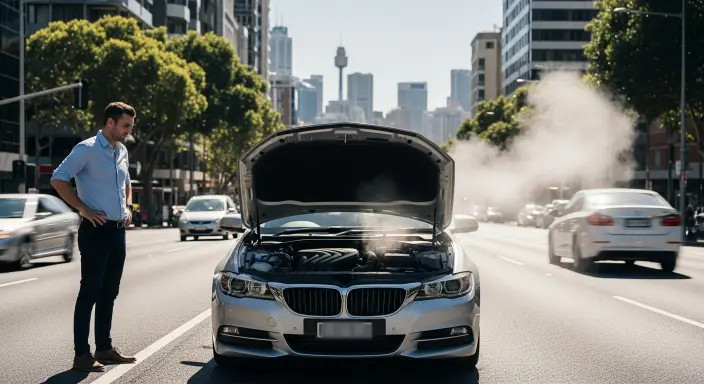
| Overheating | Stop driving and let the engine cool | Vehicle continues overheating |
| Mechanical fault | Stop if driving becomes unsafe | Car cannot move reliably |
| Warning light with power loss | Move away from traffic | Fault makes further driving unsafe |
If a vehicle cannot be driven safely after basic roadside assistance, towing is usually the more practical option.
How to Reduce the Chance of Running Out of Fuel
Running out of fuel can often be prevented with simple planning. Do not rely on the distance-to-empty display until it reaches zero before looking for a petrol station.
Good habits include:
- Check the fuel gauge before longer journeys
- Refuel before the tank becomes critically low
- Plan fuel stops on unfamiliar routes
- Allow extra fuel for traffic delays
- Do not depend completely on estimated range
- Have inaccurate fuel gauges inspected
- Keep roadside assistance details available
Planning ahead is particularly important before long motorway journeys or driving through areas where service stations are less frequent.
Quick Fuel Breakdown Checklist
| Situation | Recommended action |
|---|---|
| Fuel warning light appears | Plan your next safe fuel stop |
| Engine starts losing power | Move away from traffic |
| Vehicle stops | Switch on hazard lights |
| Fuel station is unsafe to reach | Arrange fuel delivery |
| Fuel is added | Follow the correct restart method |
| Engine will not restart | Avoid excessive cranking |
| Vehicle remains unsafe | Arrange professional towing |
Official Roadside Safety Guidance
For official NSW breakdown guidance, drivers can refer to the NSW Government’s road safety information. It covers safe stopping, hazard lights, breakdown locations and what to do when a vehicle becomes disabled on NSW roads.
Frequently Asked Questions
What to Do When Car Runs Out of Fuel on the Road?
If you are unsure what to do when car runs out of fuel, move away from traffic, switch on your hazard lights and arrange fuel assistance.
What to Do When Car Runs Out of Fuel on a Motorway?
For what to do when car runs out of fuel on a motorway, move into a safe stopping area where possible and arrange assistance rather than walking beside traffic.
What to Do When Car Runs Out of Fuel and Won’t Start?
If what to do when car runs out of fuel becomes a restart problem, avoid repeatedly cranking the engine and arrange professional help if needed.
Can Someone Bring Fuel to My Car?
Yes. Fuel recovery services may bring suitable fuel so you can attempt to restart the vehicle.
Do I Need a Tow Truck After Running Out of Fuel?
Not always. Towing may be needed if the vehicle still will not start or cannot be driven safely.
Is It Safe to Walk to a Petrol Station?
Only when there is a safe pedestrian route. Avoid walking beside motorways or fast-moving traffic.