Advantages of Professional Towing Services for Sydney Drivers
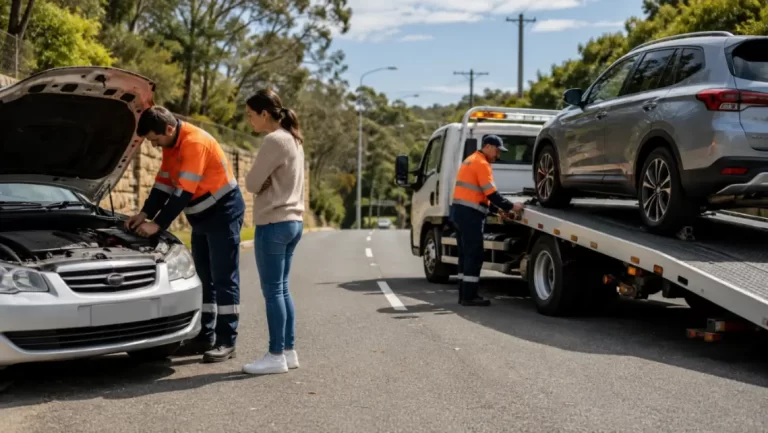
A vehicle problem can happen at an inconvenient time and in a difficult location. Your car may refuse to start, develop a mechanical problem, overheat or become unsafe to drive because of a damaged wheel or flat tyre.
In these situations, trying to move the vehicle without the right equipment can create more problems. One of the main advantages of professional towing services is having a suitable way to move your vehicle when continuing to drive is not practical or safe.
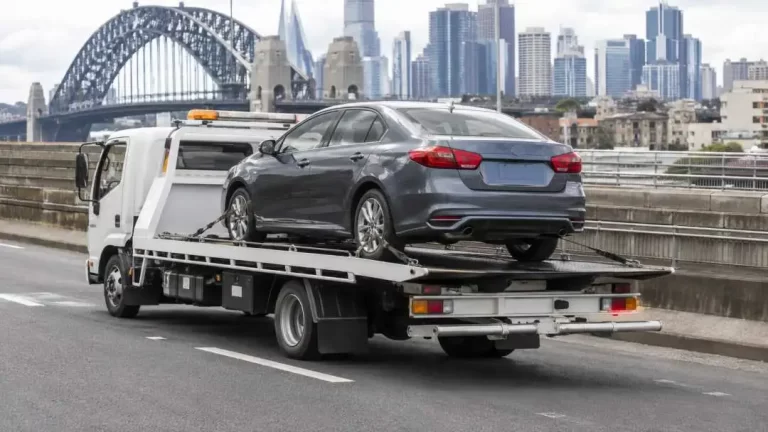
For Sydney drivers, professional towing can also make the process easier in busy streets, narrow access areas and locations where there is little room to work. A reliable towing service in Sydney can assess the vehicle, choose an appropriate loading method and transport it to the required destination..
What Is a Professional Towing Service?
A professional towing service transports vehicles that cannot or should not be driven to their destination.
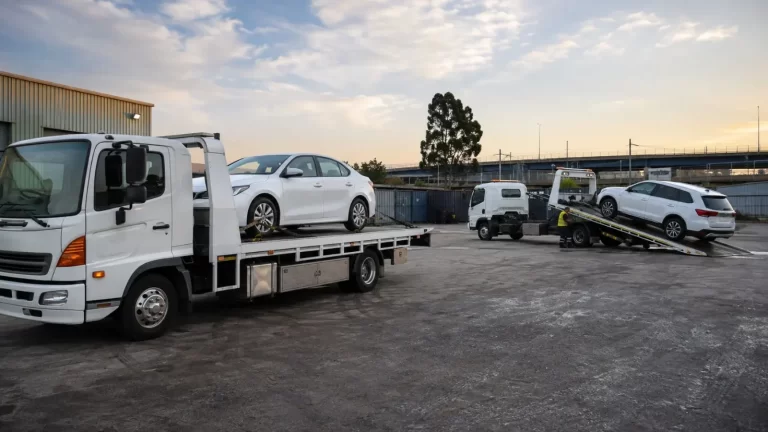
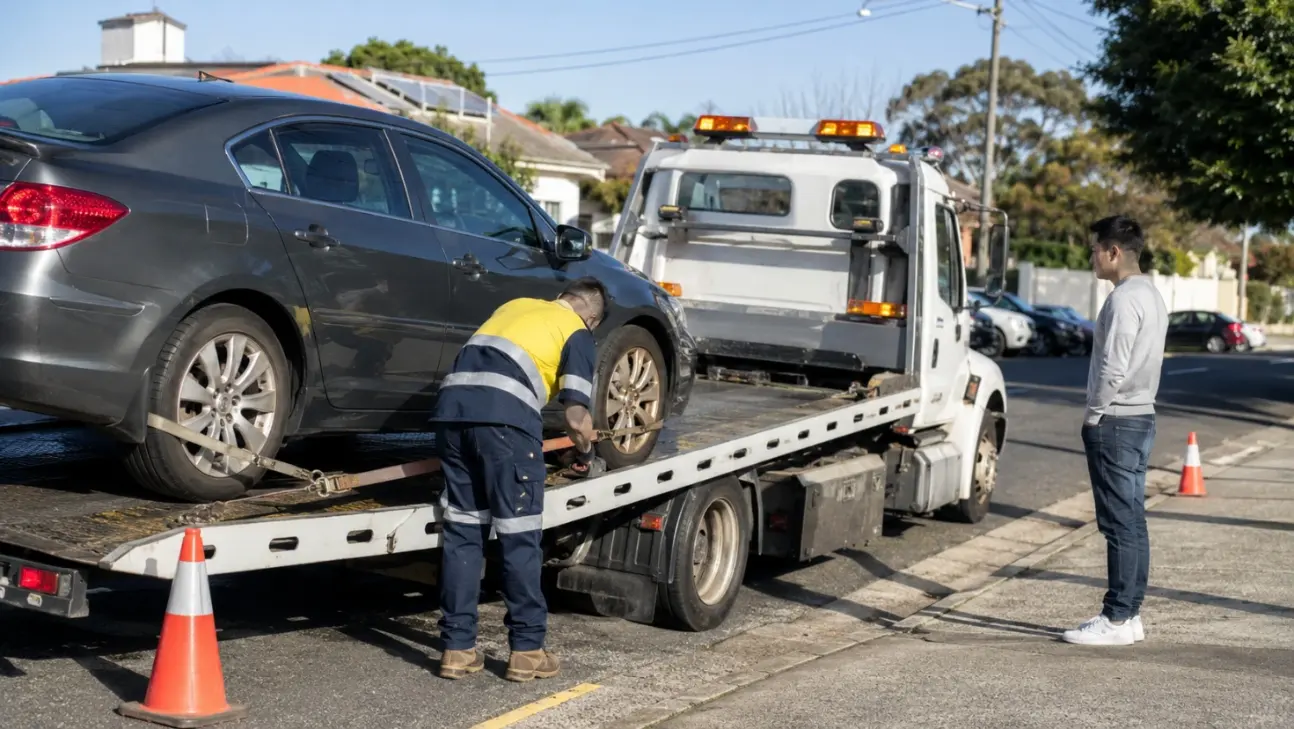
Depending on the vehicle and its condition, the towing provider may use a tilt tray, flatbed or another suitable towing method. The operator needs to consider the vehicle’s size, condition, ground clearance, wheel movement and pickup location before loading begins.
Professional towing may be useful when a vehicle:
- Will not start
- Has a mechanical problem
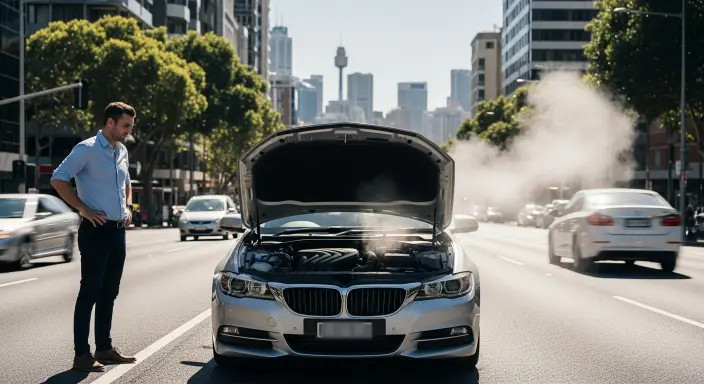
- Has overheated
- Has a damaged wheel or tyre
- Cannot move out of gear
- Has locked wheels
- Needs transport to a workshop
- Needs to be moved between locations
- Has low ground clearance
- Cannot be driven safely
Giving the towing provider accurate information when booking helps them prepare the right truck and equipment.
What Are the Main Advantages of Professional Towing Services?
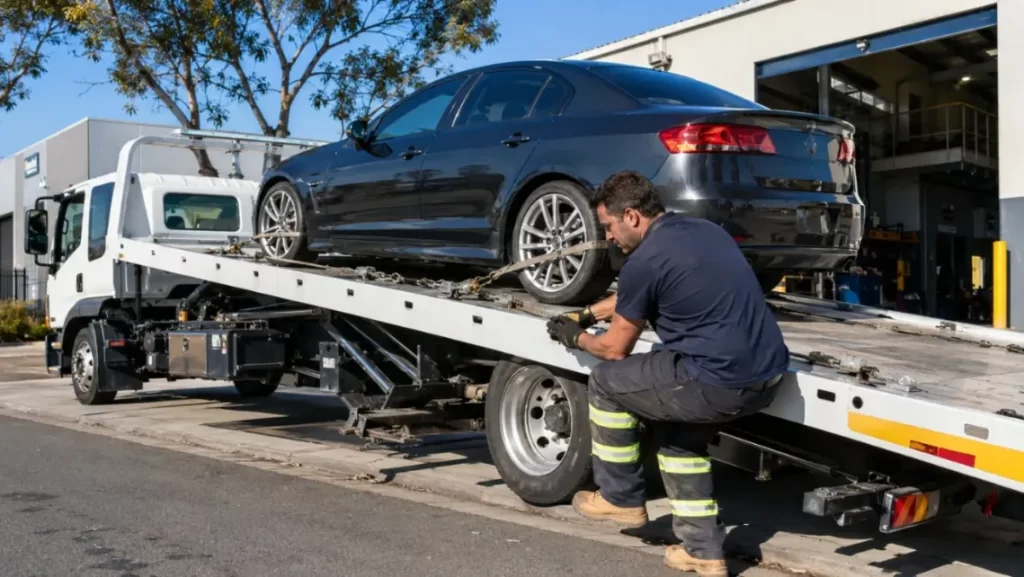
Using a towing provider is not simply about getting a vehicle from one location to another. The way the vehicle is loaded, secured and transported also matters.
Here are some of the most useful benefits for Sydney drivers.
1. Safer Vehicle Transport
A vehicle with a mechanical fault may not respond normally when steering, braking or accelerating. Continuing to drive can increase the risk of becoming stranded in a worse location or causing further damage.
Professional towing allows the vehicle to be transported without relying on it to complete the journey under its own power.
This can be particularly helpful when the vehicle:
- Keeps losing power
- Cannot steer normally
- Has a warning light accompanied by poor performance
- Has damaged wheels or tyres
- Is overheating
- Makes serious mechanical noises
If you are unsure whether the car should continue, stopping safely and arranging help can be better than testing how much further it will travel.
2. Suitable Equipment for Different Vehicles
Not every vehicle can be loaded in exactly the same way.
A small hatchback has different dimensions and loading requirements from an SUV, van, performance car or lowered vehicle. Electric and hybrid vehicles may also have manufacturer-specific transport instructions.
A professional operator can consider factors such as:
- Vehicle length and width
- Approximate weight
- Ground clearance
- Drive system
- Wheel condition
- Steering condition
- Parking brake status
- Access around the vehicle
This is one of the key advantages of professional towing services because the towing method can be matched to the vehicle rather than using the same approach for every job.
3. Less Risk of Additional Vehicle Damage
Poor loading can place unnecessary stress on tyres, wheels, suspension components and bodywork.
The risk can be higher if the vehicle has:
- Locked wheels
- Damaged suspension
- Very low clearance
- A flat tyre
- A seized brake
- Steering problems
Using appropriate loading equipment and secure tie-down points helps keep the vehicle stable during transport.
4. Help When a Vehicle Cannot Continue
Sometimes the problem is straightforward: the vehicle simply cannot complete the journey.
For example, an engine may not restart after the vehicle has been parked, or a mechanical fault may make driving unreliable.
A car towing service can transport the vehicle to:
- Your mechanic
- A tyre shop
- A workshop
- Your home
- Another nominated location
This avoids having to keep starting, pushing or driving a vehicle that is already showing signs of a problem.
5. Better Handling of Flat Tyre Problems
A flat tyre does not always mean a tow is required. If you have a suitable spare tyre and can change it safely, you may be able to continue after following the vehicle manufacturer’s instructions.
However, towing may be more appropriate when:
- There is no usable spare
- More than one tyre is damaged
- The wheel is damaged
- The tyre is completely flat
- The location is unsafe for a roadside tyre change
- The vehicle has very limited roadside access
6. Useful Support in Difficult Sydney Locations
Vehicle problems are more difficult when they happen somewhere with limited access.
A broken-down vehicle in a quiet parking area is very different from one stopped on a busy urban road, narrow street or underground car park.
The operator may need to know about:
- Low-clearance entrances
- Narrow driveways
- Steep ramps
- Restricted loading space
- Heavy surrounding traffic
- One-way streets
- Vehicle height restrictions
- Where the tow truck can safely position itself
This is particularly relevant in busy areas such as the Sydney CBD, where access and available roadside space can affect how a vehicle is collected.
7. A Clear Transport Plan
Another advantage of professional towing is knowing where the vehicle is going before loading begins.
When arranging the tow, you can confirm:
- Pickup location
- Delivery location
- Vehicle make and model
- Vehicle condition
- Access restrictions
- Whether the vehicle starts
- Whether it rolls and steers
- Whether the wheels are locked
- Whether keys are available
These details allow the towing provider to understand the job before arriving and reduce avoidable delays during collection.
When Should You Use Professional Towing?
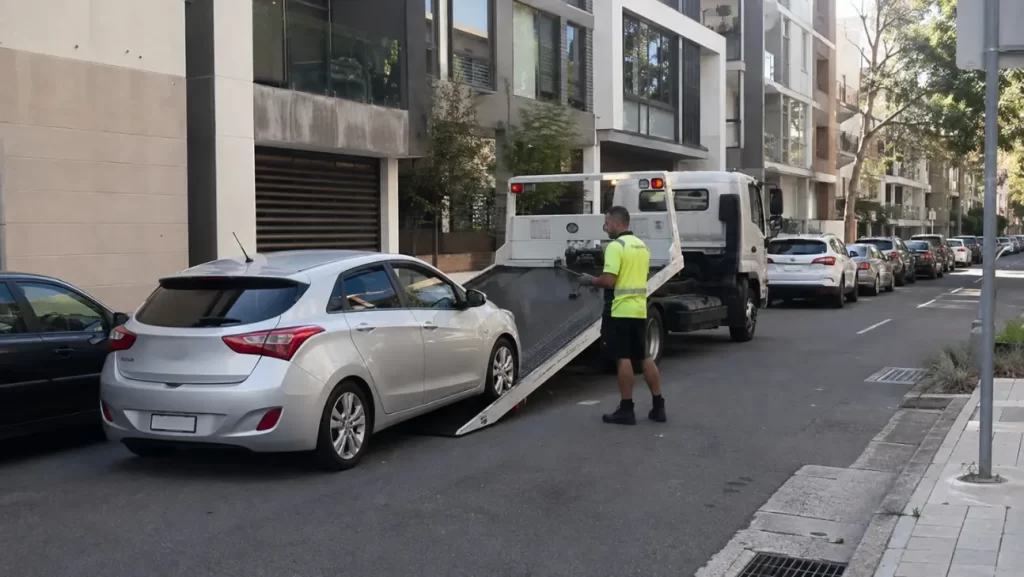
Some vehicle problems can be solved at the roadside. Others are better handled by transporting the vehicle.
The following table can help you decide which situation may require towing.
| Vehicle Situation | Why Towing May Be Suitable |
|---|---|
| Engine will not start | Vehicle cannot complete the journey |
| Repeated overheating | Continuing may place more stress on the engine |
| Completely flat tyre with no spare | Avoids driving on the damaged tyre |
| Damaged wheel | Wheel may not support normal driving |
| Locked wheel | Special loading may be required |
| Steering problem | Vehicle may be difficult to control |
| Vehicle stuck in gear | Loading method may need to be adjusted |
| Low-clearance vehicle | Careful loading can reduce contact with ramps or tray edges |
| Vehicle cannot enter neutral | Operator can plan the loading method before arrival |
| Mechanical noise with poor handling | Driving further may not be suitable |
If you are unsure, explain the symptoms to the towing provider rather than trying to diagnose the entire problem yourself.
Why DIY Towing Can Create Problems
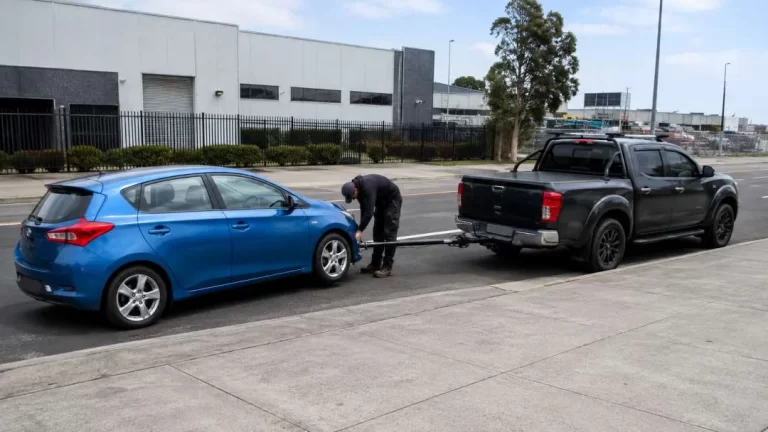
It may be tempting to move a broken-down car using another vehicle, a rope or equipment that happens to be available.
The difficulty is that safe vehicle transport depends on much more than whether one vehicle is powerful enough to pull another.
You need to consider:
- Vehicle weight
- Suitable towing points
- Braking
- Steering
- Towing equipment
- Traffic conditions
- Road layout
- Vehicle manufacturer instructions
Improvised towing can also become difficult when the disabled vehicle has poor brakes, locked steering or wheel damage.
For most drivers, arranging suitable transport is simpler than attempting to improvise a towing setup.
What Should You Do While Waiting for a Tow Truck?
Once towing has been arranged, focus on your own safety rather than trying to repair the vehicle beside moving traffic.
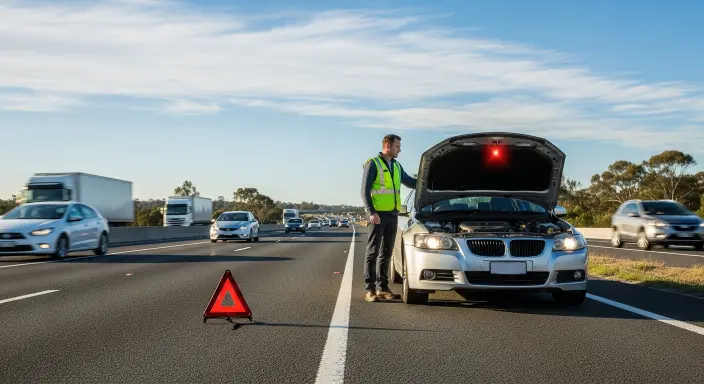
If possible, move the vehicle away from traffic before it becomes completely disabled. Turn on the hazard lights when appropriate and wait in the safest available position.
The NSW Government’s vehicle breakdown guidance recommends getting off the road where possible and provides advice on hazard lights, safe waiting positions and getting help.
While waiting:
- Stay aware of surrounding traffic
- Keep children and passengers in a safe location
- Avoid standing between vehicles
- Do not work beside moving traffic
- Keep your phone available
- Confirm your exact location
- Have your keys ready if required
- Tell the operator if the vehicle’s condition changes
If you are on a motorway or another high-speed road, follow any instructions from road authorities or emergency personnel at the location.
What Information Should You Give a Towing Provider?
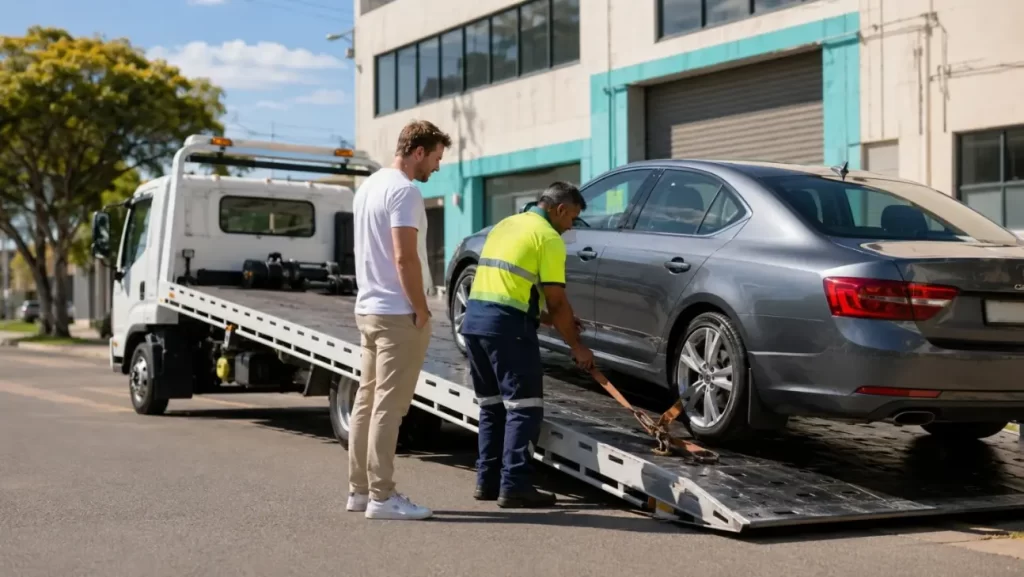
Good information makes it easier to plan the collection.
When booking, provide your:
Exact Pickup Location
Give the street, suburb and any nearby landmark that may help the operator find you.
If you are inside a car park, apartment complex or private property, explain where the vehicle is located within the site.
Vehicle Make and Model
This helps the provider understand the approximate vehicle size, weight and possible loading requirements.
Vehicle Condition
Explain whether the vehicle:
- Starts
- Rolls freely
- Steers
- Has working brakes
- Can enter neutral
- Has locked wheels
- Has flat tyres
- Has damaged suspension
- Has an electronic parking brake that will not release
Do not simply say the car is “broken down” if you already know more about the problem.
Access Conditions
Tell the towing provider about anything that could make collection more difficult, such as:
- Underground parking
- Low ceilings
- Narrow driveways
- Tight corners
- Locked gates
- Steep ramps
- Limited roadside space
Delivery Destination
Have the workshop, home or other destination ready before collection where possible.
Providing the full delivery address prevents confusion after the vehicle has been loaded.
Not every towing job has the same requirements, so it is worth asking a few questions before confirming a provider.
How to Choose a Professional Towing Service in Sydney
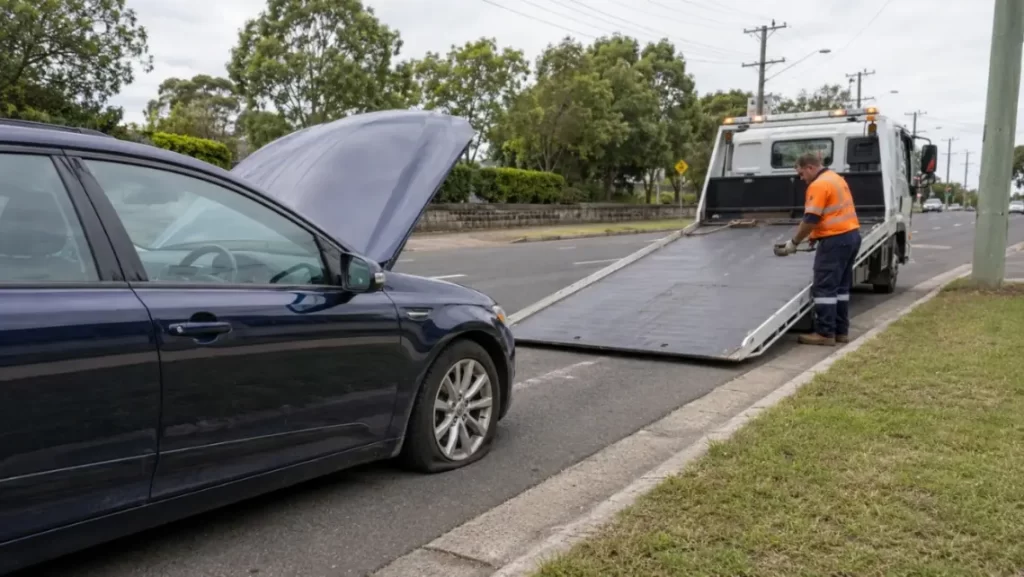
Not every towing job has the same requirements, so it is worth asking a few questions before confirming a provider.
Check They Can Handle Your Vehicle
Tell the provider exactly what type of vehicle you have.
If it is lowered, electric, hybrid, oversized or unable to roll normally, mention this before the truck is sent.
Explain the Vehicle’s Condition
A car that rolls and steers is usually easier to load than a vehicle with locked wheels or damaged suspension.
Accurate information helps the provider determine whether additional loading equipment may be required.
Confirm Pickup and Delivery Details
Give both addresses and explain any access restrictions.
This is especially useful if the vehicle is being collected from an underground car park, narrow residential street or busy commercial area.
Ask About the Transport Method
You can ask how the provider plans to load and transport your vehicle.
For certain vehicles, a tilt tray or flatbed-style transport method may be more suitable.
Check the Details Before Booking
Before confirming, make sure you understand:
- The pickup location
- Destination
- Vehicle details
- Expected transport method
- Any access information you need to provide
Clear communication at the start makes the collection process easier for both the driver and vehicle owner.
FAQs About Professional Towing Services
What Are the Main Advantages of Professional Towing Services?
The main benefits include safer vehicle transport, suitable loading equipment, less need to drive a damaged vehicle and better handling of vehicles with mechanical, wheel or access problems.
When Should I Call a Tow Truck?
Consider towing when your vehicle cannot start, cannot be driven safely, has serious tyre or wheel damage, keeps overheating or develops a problem that affects steering or braking.
Can a Car With a Flat Tyre Be Towed?
Yes. Tell the towing provider which tyre is flat and whether the wheel can still rotate so they can plan the loading process.
Can a Vehicle Be Towed if It Will Not Go Into Neutral?
It may still be possible, but the operator needs to know before collection. Locked wheels or a transmission that cannot enter neutral can change the equipment and loading method required.
Can a Lowered Car Be Towed?
Yes, but ground clearance should be discussed when booking. A suitable loading angle and transport method can help reduce the risk of the vehicle contacting the tray or ramp.
Do I Need to Be With My Car When It Is Towed?
Requirements can depend on the provider, property access, keys and collection arrangements. Confirm this when booking rather than assuming the vehicle can be collected unattended.
Where Can a Towed Vehicle Be Delivered?
Depending on the arrangement, it may be transported to a workshop, tyre shop, your home or another suitable nominated destination.