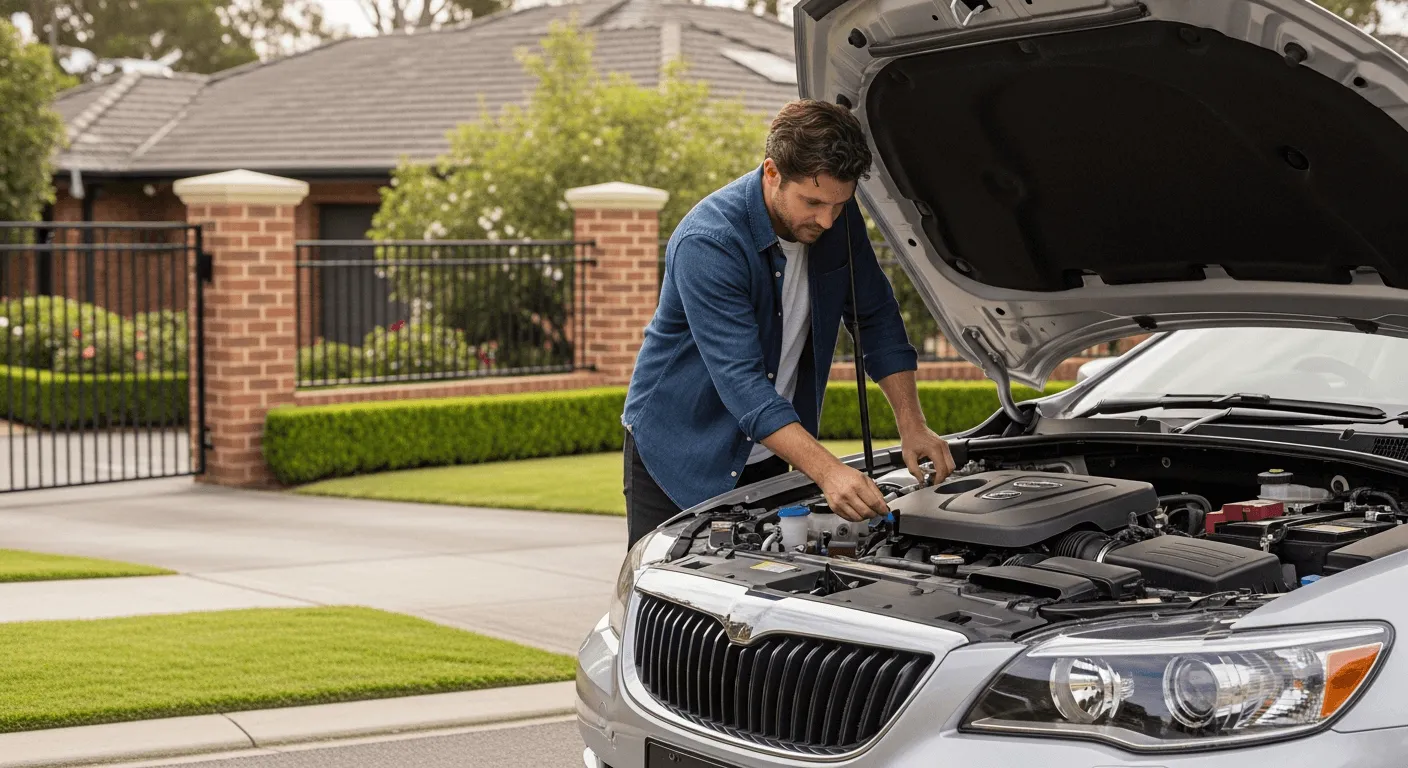
Car Safety Checks: A Comprehensive Guide to Keep Vehicle Safe
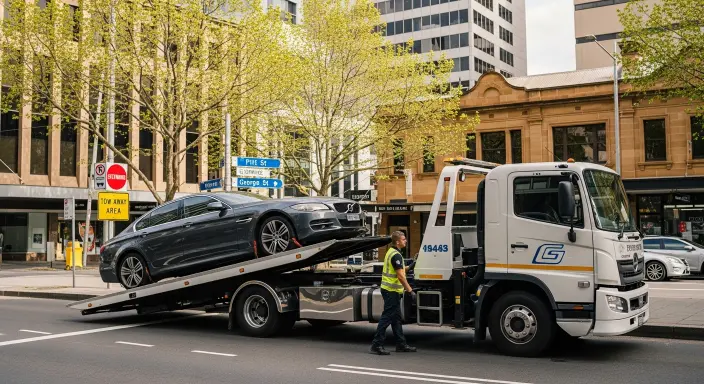
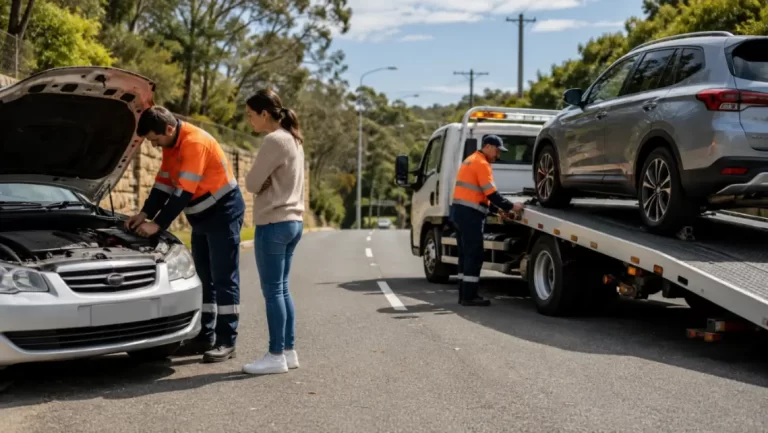
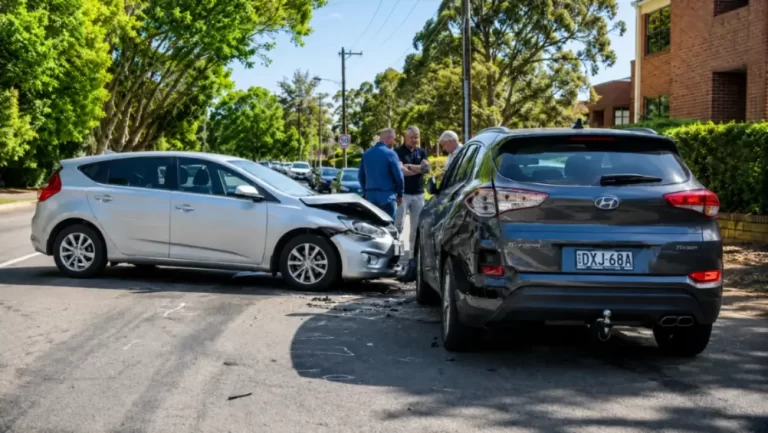
When it comes to car maintenance, one of the most essential aspects is performing car safety checks. These checks are crucial for ensuring your vehicle remains safe, reliable, and in top condition. Neglecting basic safety inspections can lead to serious accidents, unexpected breakdowns, or costly repairs down the line.If your vehicle breaks down despite regular checks, professional tow truck services in Sydney can help you get back on the road safely.
In this guide, we’ll walk you through the most important car safety checklist you should perform regularly. Whether you’re a seasoned car owner or a first-time driver in Sydney, these checks will keep you safe on the road and prevent avoidable accidents.
Common Car Safety Checks You Should Do Regularly
Keeping your car in good shape starts with simple but effective safety checks. These essential tasks are easy to perform, don’t require much time, and can often be done at home.
Checking Tire Pressure and Tread
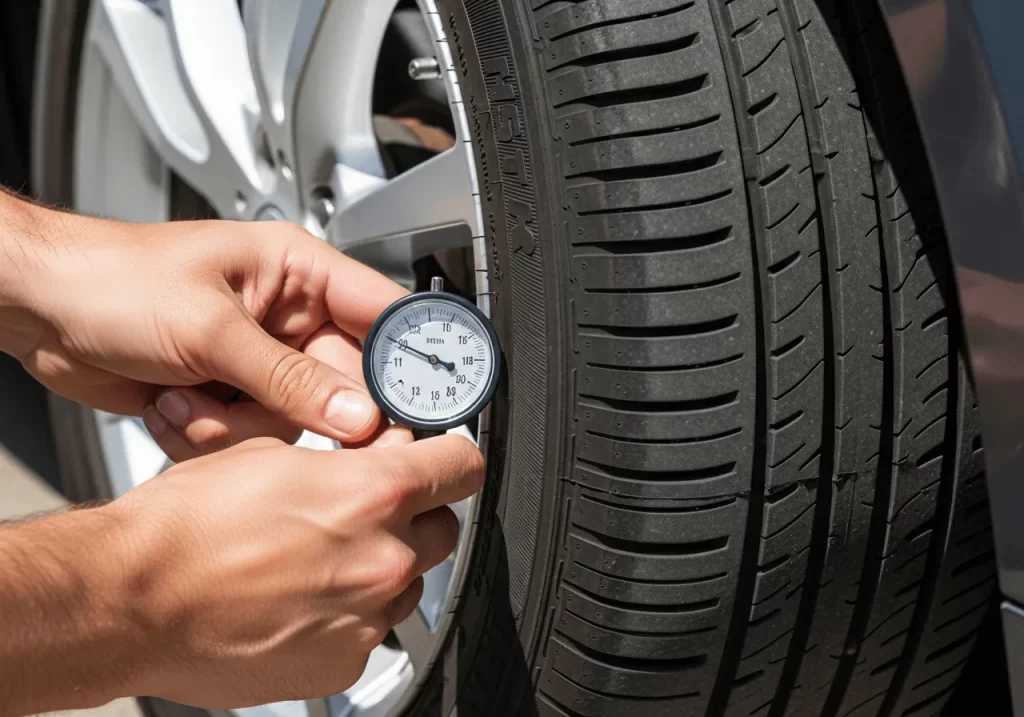
Tires are one of the most important safety components of your vehicle. Low tire pressure can decrease traction, increase stopping distances, and lead to tire blowouts, especially at higher speeds. Likewise, worn-out tires can fail to grip the road, leading to accidents, particularly in wet or icy conditions. According to NSW Road Safety guidelines, proper tyre maintenance is essential for reducing road accidents.
- How to Check Tire Pressure: Use a tire pressure gauge to check each tire’s pressure. This should be done when the tires are cold, before driving. Your car’s manufacturer will provide the recommended tire pressure in the owner’s manual or on a sticker located inside the driver’s door.
- Checking Tire Tread: Insert a penny into the tire tread. If the tread doesn’t cover the top of Abraham Lincoln’s head, it’s time to replace your tires.
Expert Tip: Regular tire pressure checks can also help improve fuel efficiency, saving you money at the pump.
Inspecting Your Car Brakes
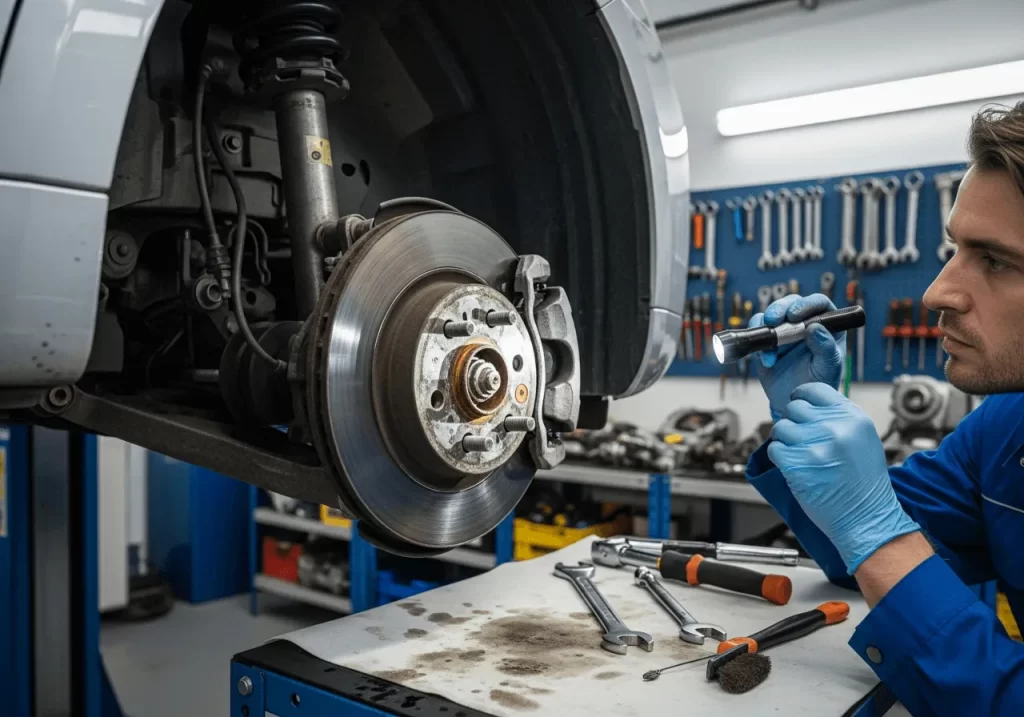
Your brakes are crucial for stopping your vehicle safely. A brake failure can result in catastrophic accidents. It’s essential to regularly check your brake system for any signs of wear or damage.
- How to Check Brakes: Pay attention to any unusual sounds when braking, such as squealing or grinding. These could indicate worn-out brake pads. Also, check the brake fluid level and look for signs of leaks around the brake lines.
- Brake Warning Signs: If you feel the brake pedal sinking to the floor or notice reduced responsiveness, it’s important to get your brakes inspected immediately.
Common Mistake: Many drivers ignore early signs of brake wear, which can lead to more expensive repairs or, worse, brake failure during an emergency stop.
Fluid Levels and Leak Checks
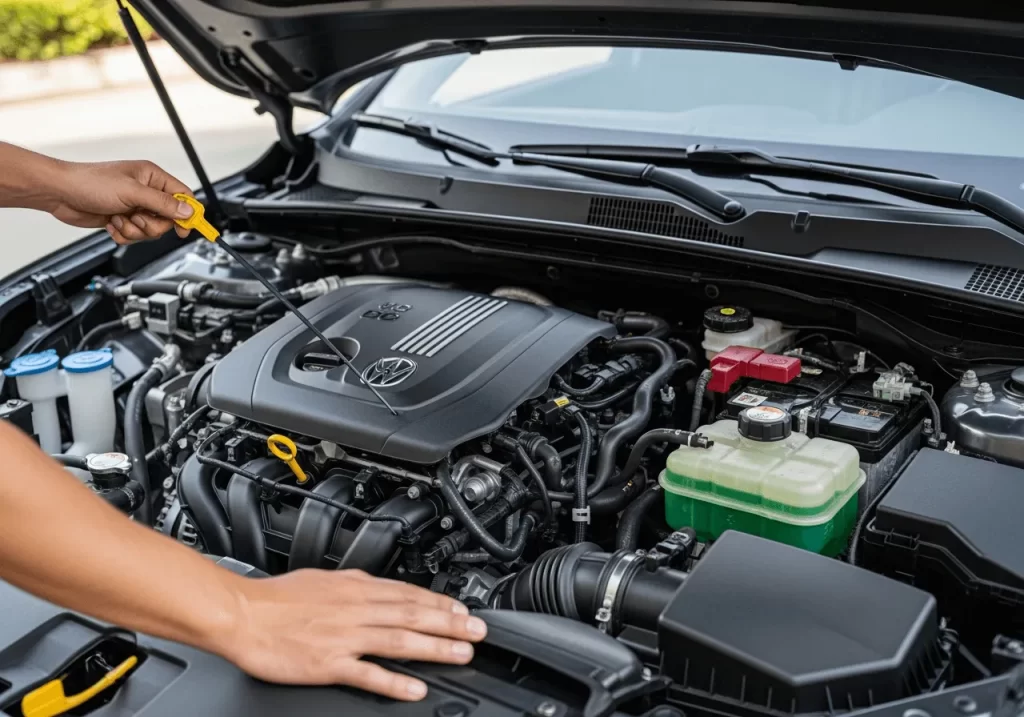
Your car runs on various fluids—engine oil, brake fluid, coolant, and transmission fluid— each playing an essential role in keeping your vehicle operating efficiently. Low or dirty fluids can damage engine parts or cause overheating. Ignoring fluid leaks can quickly lead to engine failure and the need for roadside assistance.
- How to Check Fluid Levels: For engine oil, use the dipstick to check both the oil level and its condition. If the oil is dark or gritty, it’s time for an oil change. For brake and coolant fluids, check the respective reservoirs, ensuring they are filled to the recommended levels.
f you notice any fluid leaks beneath your car, it’s a sign of an underlying issue. A small leak can quickly turn into a major repair if left unattended.
Examining Car Lights and Indicators
Your car’s lights are essential for your safety, especially at night. If any of your car’s lights are not working, you risk accidents due to poor visibility or miscommunication with other drivers.
- How to Check: Turn on your car and check each light, including headlights, taillights, brake lights, and turn signals. Have someone stand behind the car to ensure the brake lights and turn signals are functioning properly.
Expert Tip: Don’t forget to clean your headlights regularly. Dirty headlights can reduce their effectiveness, especially in foggy or rainy weather.
Common Mistakes to Avoid During Car Safety Checklist
Performing car safety checks regularly is crucial, but avoiding common mistakes can make a significant difference in the long run.
Ignoring Warning Signs:
Many drivers wait until something goes wrong before addressing an issue. For example, a soft brake pedal is often a warning sign of a problem that needs attention immediately. Ignoring such warnings can result in more costly repairs or dangerous situations.
Using the Wrong Tools:
When checking tire pressure or fluid levels, always use the correct tools. A faulty tire gauge or a poor-quality fluid tester can give inaccurate readings, leading to unnecessary confusion or missed issues.
Skipping Regular Checks:
Car owners sometimes skip checks because they believe their vehicle is in good condition. Even if your car seems fine, regular safety checks are essential to keep it that way.
When to Call a Professional for a Car Safety Check
While many car safety checklist can be done at home, some issues require professional attention. If you notice any of the following signs, it’s time to take your car to a mechanic:
- Unusual noises from the brakes or tires
- Warning lights on the dashboard that don’t disappear
- Reduced engine performance or strange odors while driving
- Leaking fluids or low fluid levels despite regular top-ups
It’s always better to have a professional inspect your car rather than wait until a problem escalates.
The Importance of Car Safety Checks in Sydney’s Climate
Sydney’s unique climate presents specific challenges for vehicle maintenance. The heat during summer can cause tire pressure to fluctuate, while salt from the ocean can rust your car’s undercarriage. Regular checks become even more important in regions like Sydney, where extreme weather can exacerbate wear and tear.
Local Tip: Check your car’s air conditioning system before the hot summer months. Ensuring your A/C is in good working order will help you stay comfortable and safe on the road during the heatwaves.
FAQs
Q1: How often should I perform car safety checks?
You should perform a car safety check at least once a month and always before long trips. Give extra attention to tyres, brakes, lights, and fluid levels to avoid unexpected breakdowns.
Q2: Can I perform all car safety checks myself?
Most basic checks, such as tyre pressure, engine oil, coolant, and washer fluid levels, can be done yourself. For more complex issues like brake inspections, suspension problems, or engine diagnostics, it’s best to consult a qualified mechanic.
Q3: How can I check my car’s brakes for wear?
Listen for squealing or grinding noises when braking and check the brake fluid level. If the brake pedal feels soft, spongy, or requires more pressure than usual, this may indicate worn brake pads or brake system issues.
Q4: Why is checking tyre pressure important for car safety?
Correct tyre pressure improves vehicle control, braking performance, and fuel efficiency. Underinflated or overinflated tyres can increase the risk of accidents and uneven tyre wear.
Q5: What warning signs mean my car needs immediate attention?
Warning lights on the dashboard, overheating, unusual noises, leaking fluids, or difficulty steering or braking are signs your car needs immediate inspection by a professional to prevent serious damage.
Conclusion
Regular car safety checks are vital for maintaining a safe driving experience and ensuring your vehicle stays in top condition. Whether it’s checking tire pressure, inspecting brakes, or monitoring fluid levels, these small steps can prevent big problems. Don’t wait for something to go wrong—take control of your car’s safety today.
If you’re unsure about performing these checks yourself, contact a local mechanic in Sydney for a professional car safety inspection.