Essential Tilt Tray Towing Tips Every Driver Should Know
Tilt tray towing tips are essential for anyone moving a broken-down, accident-damaged, or luxury vehicle in Sydney. Using a flatbed tow truck prevents vehicle damage, reduces risk, and ensures safe transport.
This guide provides step-by-step advice, expert tips, safety rules, for tilt tray towing benefits and Sydney-specific insights for both DIY and professional towing scenarios.
What Is Tilt Tray Towing and When Is It Used?
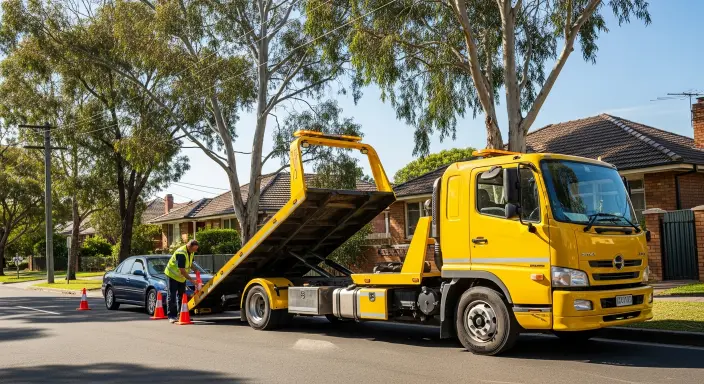
Tilt tray towing uses a hydraulic flatbed that tilts to the ground so vehicles can be winched safely onto it. It’s ideal for non-running, luxury, or delicate vehicles, ensuring full support during transport.
How a Tilt Tray Tow Truck Works
The hydraulic tray lowers to the ground while the winch gently pulls the vehicle onto it. Once loaded, the tray returns to horizontal and locks securely in place. Sydney tow operators often use extended trays for sports cars or EVs to prevent scraping on kerbs or driveways.
Situations Where Tilt Tray Towing Is the Safest Option
- Accident recovery in suburbs like Marrickville, Bondi, or Parramatta
- Breakdown towing anywhere in Sydney, including high-traffic areas like the CBD or North Sydney
- Luxury, sports, or low-clearance vehicles
- EVs or hybrid vehicles with sensitive drivetrains
Tilt trays prevent underbody damage and are safer than wheel lifts or tow dollies.
Tilt Tray and Tow Dolly vs Wheel Lift
- Tilt Tray: Carries the whole vehicle; safest for luxury and low-clearance cars.
- Wheel Lift: Lifts one end, stressing the drivetrain; riskier for long distances.
- Tow Dolly: Lifts two wheels; less stable for highways like the M5 or Pacific Motorway.
Essential Tilt Tray Towing Tips for Beginners
Following these tips prevents accidents, vehicle damage, and improper loading.
Inspect the Vehicle Before Loading
Check tyres, brakes, suspension, and loose panels. Remove low-hanging parts like spoilers or front lips to avoid scraping on the tray.
Choose Proper Ground Positioning
Load on flat, stable surfaces. Avoid slopes, gravel, or uneven Sydney driveways. Early mornings can reduce traffic stress in the CBD or Bondi Beach areas.
Use the Winch Correctly
Keep the cable straight and pull slowly. Stand clear of the winch path and always wear gloves. Misuse can cause cable snaps or vehicle slips.
Keep Wheels Straight and Transmission Safe
Align the steering straight. For automatic cars, set to neutral and release the handbrake slowly. Manual cars should be in neutral with the clutch pressed.
Secure the Vehicle With Approved Tie-Downs
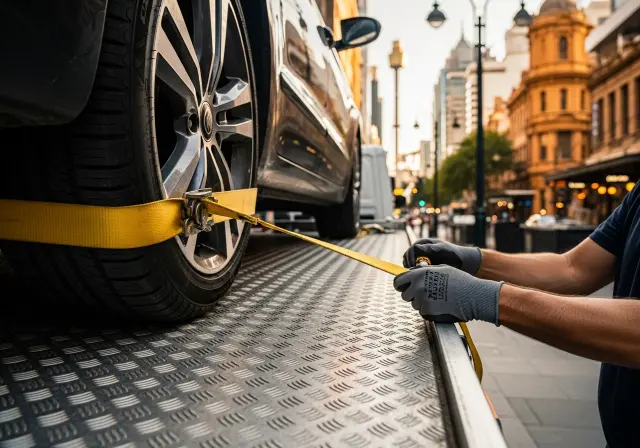
Use four-point ratchet straps or chains on tyres. Tighten evenly and recheck after a short drive. Avoid strapping suspension parts, as this can bend components.
Step-by-Step Tilt Tray Loading Process
A structured process ensures smooth, safe loading Tilt Tray towing tips every time.
Preparing the Tow Truck and Tray Angle
Lower the tray slowly, align with the vehicle, and use hazard lights or cones if on the roadside. For narrow Sydney streets, position strategically to avoid traffic obstruction.
Safe Vehicle Alignment Before Loading
Position the car directly in line with the tray. Misalignment can scrape bumpers or cause wheel slip, especially on uneven kerbs in older suburbs.
Controlled Winching and Tray Adjustment
Pull the vehicle gradually. Adjust the tray height to reduce steep angles, preventing underbody contact. Professionals often use extended ramps for low-clearance cars in areas like Double Bay or Rose Bay.
Final Safety Check Before Driving
Confirm tie-downs, brakes, and tray locks. Walk around the truck to check for loose parts. Double-check in high-traffic areas like Parramatta or North Sydney, where accidents are riskier.
Safety Checks Before and During Transport
Transport safety protects both vehicles and drivers.

Weight Distribution and Balance
Center heavier vehicles on the tray. Uneven loads can cause sway or loss of control on highways like the M5 or Hume Motorway.
Securing Loose Vehicle Parts
Fold mirrors, remove roof racks, and secure spoilers to prevent detachment during transport.
Monitoring During Long-Distance Towing
Stop after 10–15 minutes to recheck straps. Vibrations from Sydney’s potholes, speed bumps, or rough suburban roads can loosen tie-downs.
Safe Driving Practices for Tilt Tray Operators
Drive at steady speeds, avoid harsh braking, and maintain safe distances, especially in congested areas like Sydney CBD, Chatswood, or Maroubra.
Common Tilt Tray Towing Mistakes to Avoid
Learning from mistakes prevents vehicle damage and unsafe towing.
Incorrect Loading Angles
Steep ramps scrape bumpers. Professionals reduce tray angles or use extended ramps.
Poor Strap Placement
Strapping suspension parts instead of tyres can bend components. Always secure tyres properly.
Ignoring Clearance for Low Vehicles
Low-clearance cars risk front-end scraping. Measure tray approach and use ramps when necessary.
Overloading or Improper Weight Limits
Check the manufacturer’s tray capacity. Overloading stresses hydraulics and brakes, risking accidents on highways or suburban roads.
Sydney-Specific Tilt Tray Towing Tips
Local conditions and NSW rules affect towing safety and efficiency for Tilt Tray Towing Tips .
NSW Road Rules Affecting Tow Trucks
Operators must comply with Transport for NSW load and vehicle safety regulations. Penalties exist for unsecured loads or non-compliant towing practices.
Traffic and Parking Challenges in Sydney CBD
Narrow streets, heavy traffic, and limited parking make early morning or off-peak towing safer.
Local Weather and Road Condition Considerations
Rain increases slip risk. Coastal suburbs like Manly or Coogee may require slower winching due to wet kerbs and slippery driveways.
Typical Tilt Tray Towing Costs in Sydney
- Short local moves: $120–$250
- Accident recovery or long-distance towing: prices depend on vehicle size, distance, and complexity
DIY Tilt Tray Towing vs Hiring a Professional
Knowing limits prevents accidents and insurance issues.
When DIY May Be Safe
Short, low-risk moves on private property with proper equipment.
Risks of DIY Tilt Tray Towing
Incorrect straps, bad alignment, or winch misuse can cause injury or vehicle damage.
Benefits of Professional Tow Operators
Professionals follow safety laws, use certified equipment, and handle complex loads efficiently.
When to Stop DIY and Call a Tow Truck
Call experts for accident recovery, highway towing, luxury vehicles, or non-running cars.
Professional Tools and Equipment Used in Tilt Tray Towing
Proper tools ensure safety and efficiency.
- Hydraulic Tilt Systems: Smoothly adjust tray angles
- Winches and Cable Safety: Controlled pulling prevents slipping
- Wheel Straps and Tie-Down Systems: High-quality ratchet straps or chains secure the car
- Safety Lights and Warning Equipment: Reflective cones and hazard lights protect operators and alert other drivers
Emergency Situations Where Tilt Tray Towing Is Recommended
Accident Recovery
Vehicles with broken axles, wheels, or severe damage require safe lifting.
Non-Running Vehicles
Dead engines or electrical failures need winching to load safely.
Luxury or Low-Clearance Cars
Sports cars benefit from flatbed transport to prevent scraping and drivetrain stress.
Long-Distance Vehicle Transport
Interstate or dealership deliveries require secure tilt tray transport.
FAQs
What are the most important tilt tray towing tips for beginners?
Inspect the vehicle, align it properly on the tray, and secure tyres with certified straps.
Is tilt tray towing safer than traditional towing?
Yes. The car sits fully on a flatbed, reducing damage and stress on the vehicle.
Can I load a car onto a tilt tray by myself safely?
Only with proper training and equipment; otherwise, it’s risky.
What mistakes do people make when using a tilt tray tow truck?
Common errors include wrong angles, poor tie-down placement, and ignoring clearance.
How much does tilt tray towing cost in Sydney?
Typically $120–$250 for short moves; longer or complex tows cost more.
Do I need special permits or licences for tilt tray towing in NSW?
Yes. Commercial towing requires proper licensing and adherence to NSW rules.
Is tilt tray towing suitable for luxury or lowered vehicles?
Yes. Flatbed transport prevents scraping and drivetrain damage.
When should I stop DIY towing and call a professional?
After accidents, on highways, or with luxury/non-running vehicles.
Are tilt tray trucks safe for long-distance towing across NSW?
Yes. They provide stable, secure vehicle transport over long distances.
What equipment is required for secure tilt tray towing?
Hydraulic tray, winch, wheel straps, cones, and warning lights.
Conclusion
Following proper tilt tray towing tips protects vehicles, prevents accidents, and reduces stress. For breakdowns, accident recovery, or luxury car transport in Sydney, rely on licensed professionals. Contact a certified tilt tray towing service today for safe and efficient vehicle recovery.