Can You Drive on a Flat Tyre? A Safety Guide for Sydney Drivers
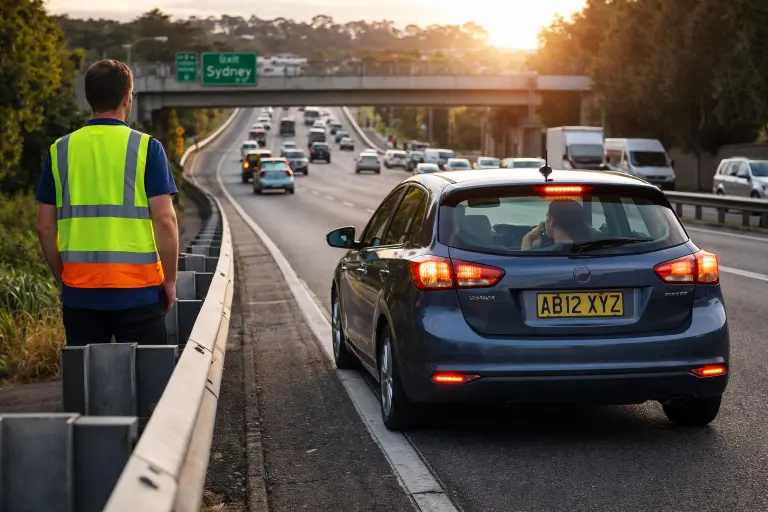
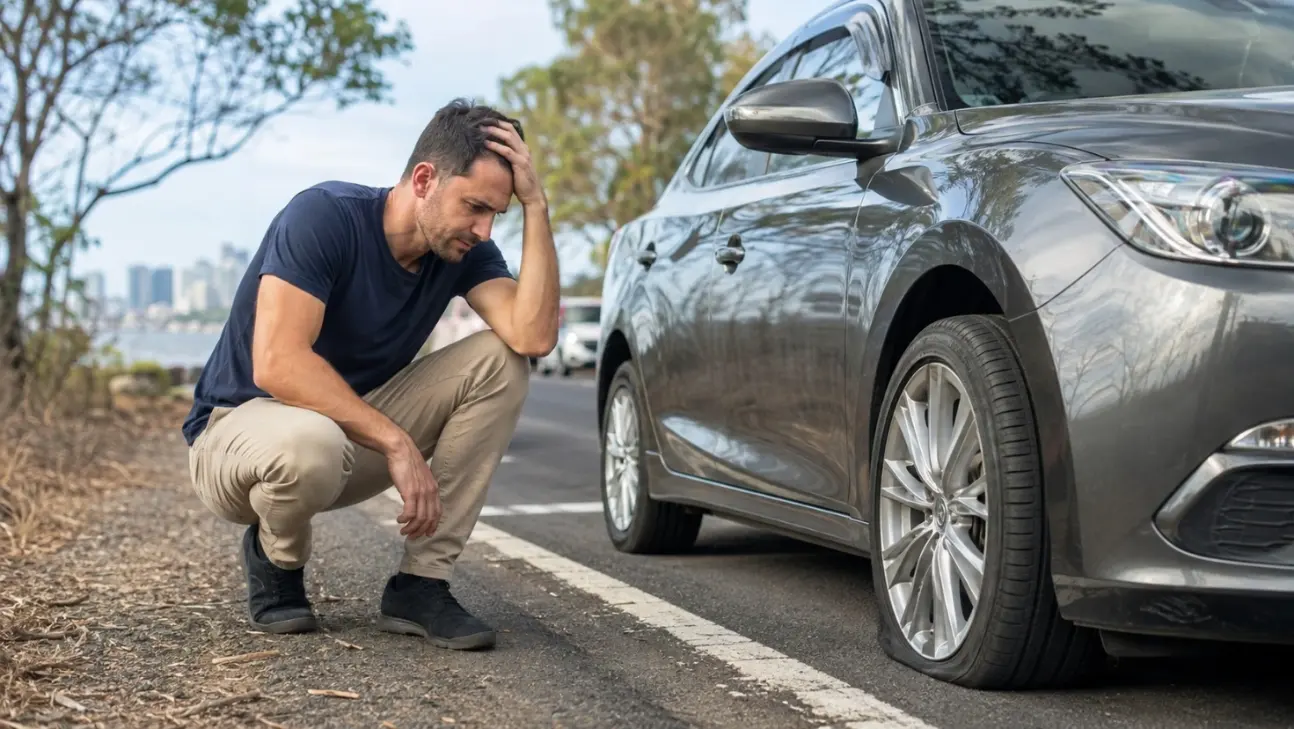
If you notice a flat tyre while driving, the safest choice is usually to stop as soon as you can. Continuing to drive can make the vehicle harder to control and may turn a simple tyre problem into a more expensive repair.
So, can you drive on a flat tyre? In most cases, you should not continue your normal journey on a standard flat tyre. Only move the vehicle when necessary to reach a safer position away from moving traffic.
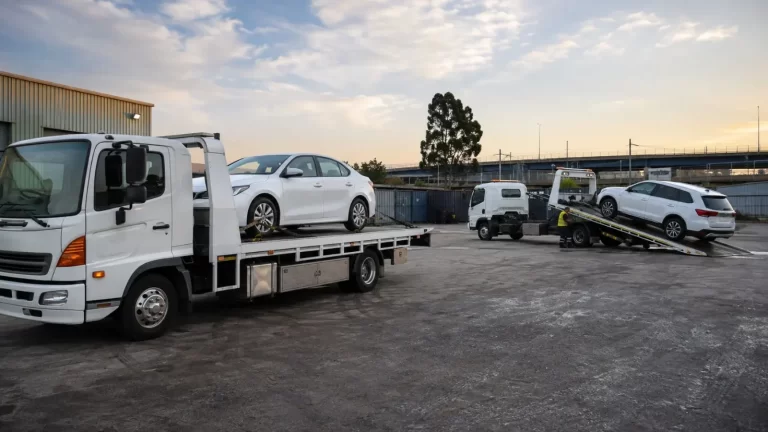
Sydney drivers can arrange a towing service in Sydney if a flat tyre leaves the vehicle unable to continue safely.
What you should do next depends on whether the tyre is simply low on pressure, has a puncture or is completely flat.
Quick answer: Do not continue normal driving on a standard flat tyre. If your current position is unsafe, move the vehicle only as far as necessary to reach a safer stopping place.
Can You Drive on a Flat Tyre?
A standard flat tyre is not designed to support normal driving once it has lost most or all of its air. Continuing to drive may affect steering and handling while also increasing the risk of tyre and wheel damage.
If you realise you have a flat tyre:
- Slow down and stop safely. Avoid sudden steering or braking and look for somewhere clear of moving traffic.
- Move only if your current position is unsafe. Keep the distance as short as possible and drive very slowly.
- Decide what help you need. Once safely parked, check whether you can use a spare tyre, arrange roadside assistance or have the vehicle towed.
Stop driving if the vehicle feels unstable, pulls strongly to one side or you hear unusual sounds from the affected wheel.
Is Your Tyre Low, Punctured or Completely Flat?
Tyre pressure can drop for several reasons. Understanding what has happened can help you decide whether the vehicle should remain parked or whether the tyre needs further inspection.
Low Tyre Pressure
Low tyre pressure means the tyre still contains air but is below the recommended pressure.
You may notice:
- A tyre that looks slightly softer than the others
- A tyre-pressure warning on the dashboard
- Changes in how the vehicle feels while driving
Low pressure can result from a slow leak, temperature changes or a valve problem. Check the pressure and look for signs of damage before deciding whether to continue driving.
Punctured Tyre
A puncture is damage that allows air to escape from the tyre. Nails, screws and sharp road debris are common causes.
A puncture does not always cause the tyre to become flat immediately. Some leaks are slow, while others can cause pressure to drop quickly.
If the tyre continues losing pressure, have it checked before driving further.
Completely Flat or Blown Tyre
A completely flat tyre has lost most or all of its air and may sit noticeably lower against the road.
A tyre blowout is different because pressure may be lost suddenly while the vehicle is moving.
If the tyre is completely flat or has suffered serious damage, do not continue your normal journey. Use a suitable spare tyre if it can be fitted safely, or arrange roadside assistance or towing.
What Happens If You Keep Driving on a Flat Tyre?
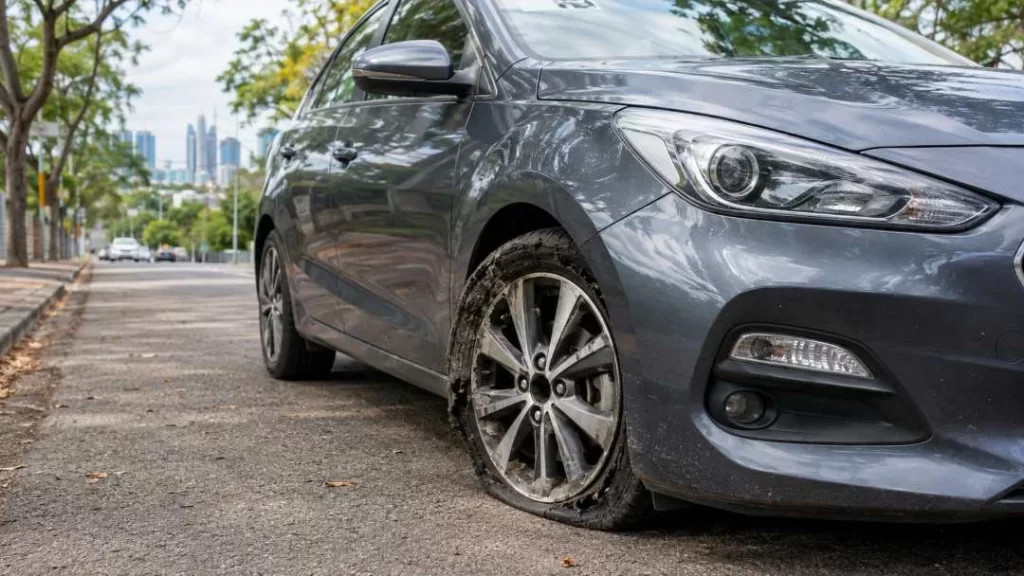
Driving on a flat tyre puts extra strain on the tyre and wheel because the vehicle no longer has proper air support.
Even a short drive may turn a manageable tyre problem into more extensive damage.
Tyre and Wheel Damage
Without enough air, the tyre sidewall can flex excessively and make greater contact with the road.
This can weaken the tyre. If the tyre becomes completely flat, the wheel rim may also make contact with the road surface and become scratched, bent or otherwise damaged.
Steering and Handling Problems
A badly deflated tyre can change how the vehicle responds when steering, braking or turning.
The car may feel less stable or begin pulling towards the affected side. This can be particularly difficult on busy Sydney roads where traffic conditions may require quick reactions.
When a Repairable Tyre Can Become Unrepairable
Some small punctures may be repairable when they are identified early.
However, continuing to drive with insufficient tyre pressure can damage the sidewall or internal structure. Once this happens, a puncture that may originally have been repairable could require tyre replacement instead.
What Should You Do If You Get a Flat Tyre in Sydney?
Once you notice a tyre problem, your first priority should be getting yourself and the vehicle into a safer position.
Slow Down and Stop in a Safe Place
Ease off the accelerator and reduce your speed smoothly rather than braking suddenly.
Where possible, look for:
- A side street
- A parking area
- A wide shoulder
- Another location away from moving traffic
Turn on your hazard lights so other road users can see that your vehicle has stopped.
Check the Tyre Without Putting Yourself at Risk
Only inspect the tyre when it is safe to leave the vehicle.
Stay away from passing traffic and avoid standing on the traffic-facing side of the car.
Look for obvious signs such as:
- A tyre sitting lower than the others
- A visible nail or screw
- A cut or split
- A damaged wheel
- A visibly deflated tyre
Do not remove a nail, screw or other object from the tyre at the roadside.
When It Is Unsafe to Change a Tyre Roadside
Changing a tyre yourself may not be appropriate if the vehicle is:
- Close to fast-moving traffic
- On uneven or unstable ground
- In a narrow roadside location
- Somewhere with very little working space
- In a position where you cannot safely access the affected wheel
In these situations, roadside assistance or towing may be the safer option.
What Are Your Options After a Flat Tyre?
Once the vehicle is safely parked, the right option depends on the type of tyre damage, where the vehicle has stopped and what equipment is available.
Use a Full-Size or Space-Saver Spare Tyre
A spare tyre can be useful if it is in suitable condition and can be fitted safely.
A matching full-size spare may allow the vehicle to continue more normally, while a space-saver is intended for temporary use.
Always follow the vehicle manufacturer’s instructions and any speed or distance restrictions that apply to the spare.
Use a Tyre Repair Kit or Inflator
Some vehicles have a tyre repair kit or inflator instead of a spare wheel.
These products may help with certain minor punctures but are not suitable for every type of tyre damage.
Follow the instructions supplied with the kit and arrange a professional tyre inspection afterwards.
Call Roadside Assistance or Towing
Roadside assistance may help when you cannot fit a spare or need support assessing the tyre.
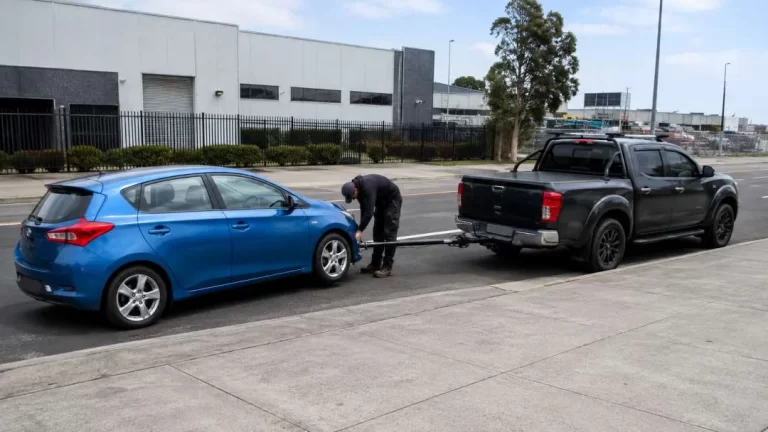
If the vehicle cannot be driven safely, a car towing service can transport it to a tyre shop, workshop or another suitable destination without requiring you to continue driving on the damaged tyre.
Can You Drive on Run-Flat Tyres After a Puncture?
Run-flat tyres are different from standard tyres because they are designed to provide temporary support after pressure is lost.
This does not mean they can be driven normally after a puncture.
How Run-Flat Tyres Are Different
Many run-flat tyres use reinforced sidewalls that help support the vehicle when tyre pressure drops.
This extra support can give the driver time to reach a safer location or arrange suitable help.
Follow the Manufacturer’s Speed and Distance Limits
The distance and speed permitted after pressure loss can vary between tyre manufacturers, tyre models and vehicles.
Always check your vehicle handbook and tyre manufacturer’s instructions rather than assuming a particular limit applies.
Have the Tyre Checked After Driving on It
A run-flat tyre should be inspected after it has been driven with reduced or no pressure.
A tyre professional can assess whether it remains suitable for use or needs to be replaced.
Do not assume the tyre is undamaged simply because the vehicle continued driving normally.
Can a Flat Tyre Be Repaired or Does It Need Replacing?
Whether a tyre can be repaired depends on the location and extent of the damage, its remaining condition and whether it has been driven while severely underinflated.
When a Puncture May Be Repairable
A small puncture within the main tread area may be repairable if the tyre remains in suitable condition.
Repair may be possible when:
- The puncture is small
- The damage is within a suitable part of the tread
- There is adequate tread remaining
- The sidewall is not damaged
- There is no serious internal damage
A tyre professional should inspect the tyre before deciding whether repair is appropriate.
When the Tyre Should Be Replaced
Replacement may be necessary if:
- The sidewall is damaged
- The tyre has a large cut or split
- Its internal structure has been weakened
- It has been driven while completely flat and sustained further damage
- The tyre is badly worn
- There are several damaged areas
- It no longer holds pressure properly
Having the tyre inspected before returning it to normal use is the safest approach.
What Information Should You Give When Asking for Flat Tyre Help?
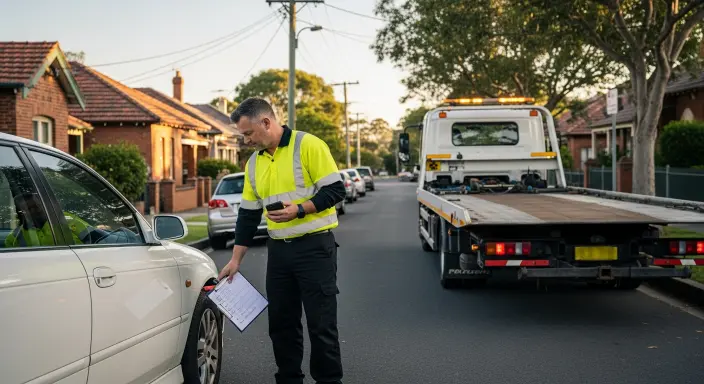
Providing clear information when requesting roadside assistance or towing can make it easier for the provider to understand what support may be required.
Be ready to provide:
- Your exact location
- Your vehicle make and model
- Which tyre has the problem
- Whether the tyre is fully flat or still holding some air
- Whether you have a usable spare tyre
- Whether the vehicle can roll and steer normally
- Any access problem that could affect reaching or loading the vehicle
Clear details can reduce unnecessary delays and help the provider prepare for the vehicle’s condition.
How Can You Reduce the Risk of a Flat Tyre?
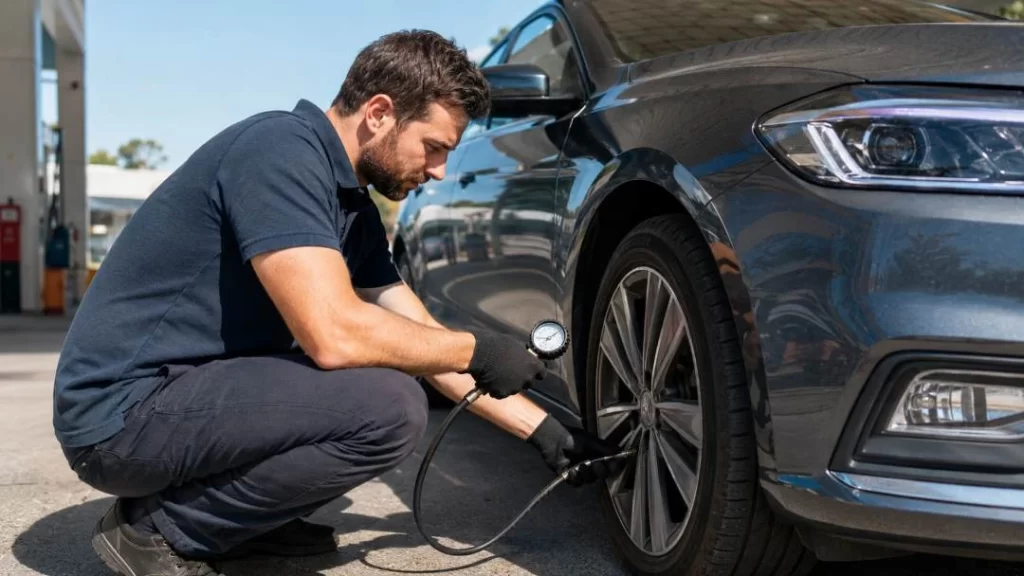
Not every puncture can be prevented, but regular tyre care can help identify problems earlier and reduce avoidable damage.
Check Your Tyre Pressure Regularly
Check tyre pressure according to your vehicle manufacturer’s recommendations.
Correct tyre pressure helps the tyres support the vehicle properly and makes it easier to notice an unexpected loss of air.
Avoid Potholes and Road Debris
Deep potholes, broken road edges and sharp debris can damage tyres and wheels.
Reduce speed where the road surface is poor and avoid visible debris where it is safe to do so.
Repeatedly striking kerbs while parking can also damage tyres over time.
Do Not Overload the Vehicle
Carrying more weight than the vehicle is designed for places additional strain on the tyres.
Stay within the manufacturer’s load limits, particularly when carrying several passengers, luggage or heavy items.
Check Tread and Tyre Condition
Regularly look for:
- Excessive tread wear
- Cuts
- Cracks
- Bulges
- Uneven wear
- Other visible damage
Replace tyres when they are worn or no longer in suitable condition.
Keeping your tyres roadworthy is also part of maintaining a safe vehicle. NSW Government guidance explains the broader road worthiness requirements that apply to vehicles used on NSW roads.
FAQs About Driving on a Flat Tyre
How Far Can You Drive on a Flat Tyre?
There is no recommended normal driving distance for a standard flat tyre. If the tyre has lost most or all of its pressure, stop as soon as it is safe and avoid continuing your journey.
Can You Drive Slowly on a Flat Tyre?
Driving slowly does not remove the risk of tyre, wheel or handling damage. Only move the vehicle when necessary to get away from an unsafe stopping position.
Can a Flat Tyre Damage the Wheel?
Yes. If a tyre has lost enough pressure for the wheel rim to contact the road, the rim may become scratched, bent or otherwise damaged.
Can You Drive With Low Tyre Pressure?
It depends on how low the pressure is and why it has dropped. Check the tyre pressure and inspect the tyre for damage or continued air loss before deciding whether to drive further.
Should You Remove a Nail From a Punctured Tyre?
Do not pull a nail or screw out of the tyre at the roadside. Removing it may allow air to escape more quickly.
Can You Drive on a Run-Flat Tyre With No Pressure?
A run-flat tyre may provide temporary support after pressure loss, but its permitted speed and distance depend on the tyre and vehicle. Follow the manufacturer’s instructions.
When Should a Car With a Flat Tyre Be Towed?
Towing may be appropriate when the vehicle cannot be driven safely, a spare cannot be fitted, the tyre or wheel is badly damaged or the vehicle is stopped somewhere that makes roadside work unsafe.