
Road Safety Practices Every Sydney Driver Should Follow
Good road safety practices are built around attention, preparation and making sensible decisions before a situation becomes dangerous. Sydney drivers regularly deal with busy intersections, changing traffic conditions, pedestrians, motorcycles, heavy vehicles and sudden weather changes, so everyday driving habits can have a major effect on safety.
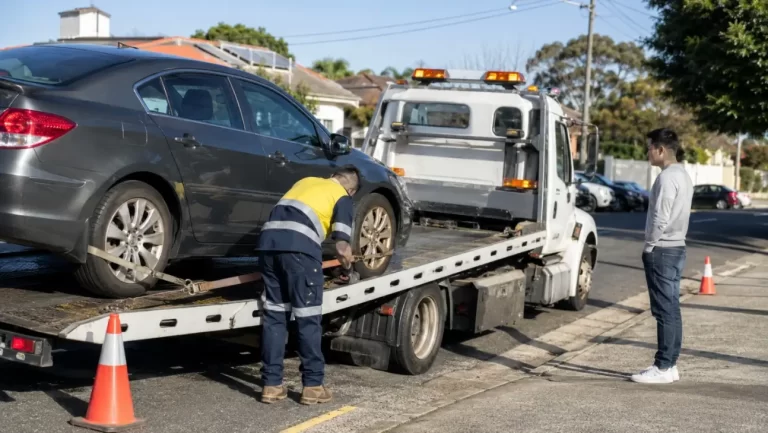
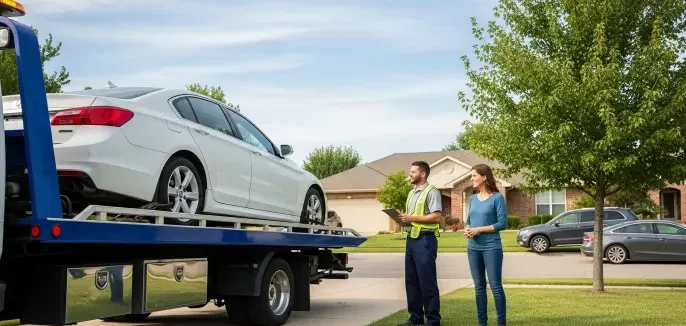
If a vehicle develops a fault that makes continued driving unsafe, Sydney Towing can help transport it to a workshop or another suitable location. Knowing when to stop is just as important as knowing how to drive safely, because continuing with a serious tyre, steering, braking or mechanical problem can increase risk.
The goal is not to make every journey complicated. Simple habits such as leaving enough space, checking mirrors and maintaining the vehicle can support safer travel and contribute to preventing road accidents.
Why Road Safety Starts With Everyday Habits
Most journeys feel routine, which can make it easy to become less alert. A familiar road can still present unexpected hazards such as sudden braking, changing traffic lights, pedestrians stepping onto the road or another vehicle entering your lane.
Consistent road safety practices help drivers create more time to notice and respond to these situations. Good driving is often less about reacting quickly and more about noticing potential problems early enough that an emergency reaction is not needed.
Stay Focused on the Road Ahead
Drivers should look beyond the vehicle immediately in front of them. Watching traffic further ahead can reveal brake lights, congestion, roadworks or lane changes before they directly affect your vehicle.
Avoid activities that divide your attention from driving. Navigation, phones, food and other distractions should never reduce your ability to monitor the road and control the vehicle.
Make Your Actions Predictable
Other road users need time to understand what you intend to do. Early indicators, gradual braking and smooth lane changes make your movements easier to read.
Sudden lane changes or last-second turns can create unnecessary conflict. Planning slightly earlier can make the same manoeuvre safer and less stressful.
7 Road Safety Practices for Safer Sydney Driving
Good road safety does not require complicated techniques. The most useful habits are those that drivers can follow consistently on everyday trips.
| Driving situation | Safer approach | Main benefit |
|---|---|---|
| Heavy traffic | Leave more following space | More time to react |
| Wet roads | Reduce speed smoothly | Better vehicle control |
| Lane changes | Check mirrors and blind spots | Helps avoid nearby vehicles |
| Night driving | Increase observation distance | Earlier hazard detection |
| Long journeys | Take regular breaks | Helps maintain concentration |
| Vehicle warning signs | Stop and assess the problem | Reduces further vehicle risk |
| Busy intersections | Slow and scan carefully | More time to identify hazards |
1. Maintain a Safe Following Distance
Following too closely reduces the time available to react when traffic suddenly slows. A larger gap gives you more room to brake smoothly rather than making a sudden stop.
Increase the distance during wet weather, poor visibility or heavy traffic. This creates additional space when road conditions make stopping more difficult.
2. Adjust Your Speed to Conditions
The safest speed is not always the highest permitted speed. Rain, congestion, darkness, roadworks and poor visibility can all require a slower approach.
Reducing speed early gives you more time to identify hazards and respond gradually. This is one of the most practical ways of preventing road accidents when conditions become unpredictable.
3. Check Mirrors and Blind Spots
Mirrors provide useful information, but they do not show every area around a vehicle. Motorcycles, bicycles and smaller cars can remain hidden in blind spots during lane changes.
Make mirror and blind-spot checks part of your normal driving routine. Regular observation also helps you understand how quickly surrounding traffic is approaching.
4. Keep Your Vehicle in Good Condition
Safe driving depends partly on how well the vehicle responds. Tyres, brakes, steering, lights and fluids should all be checked regularly because they influence control and stopping performance.
A small tyre problem can become much more serious if it is ignored. When a tyre is badly damaged and the vehicle cannot continue safely, professional flat tyre assistance may be more suitable than attempting to drive further.
5. Avoid Driving When Tired
Fatigue can affect concentration and reaction time even when the driver does not feel completely exhausted. Missing road signs, drifting within a lane and reacting slowly to braking traffic can all be warning signs.
Plan breaks during longer trips before tiredness becomes severe. Coffee, fresh air or loud music should not be treated as substitutes for proper rest.
6. Give Other Road Users Enough Space
Sydney roads are shared by cars, buses, trucks, motorcycles, cyclists and pedestrians. Each road user moves differently and may require different amounts of room.
Avoid travelling unnecessarily close to motorcycles and cyclists. Large vehicles should also be given additional space because they may need wider turns and more distance to stop.
7. Stop When the Vehicle Becomes Unsafe
A vehicle does not need to stop completely before it becomes unsafe to drive. Steering changes, overheating, severe vibration, brake problems or sudden tyre damage can all be reasons to pull over.
If the car cannot operate normally, car towing can move it without requiring further road use. Tell the towing provider exactly what has changed so suitable equipment can be prepared.
Driving Safely in Rain and Poor Visibility
Wet weather changes how a vehicle behaves. Tyre grip can be reduced, braking may take longer and spray from surrounding traffic can make road markings harder to see.
Good road safety practices become even more important when visibility or grip is reduced. Smooth braking, steering and acceleration are generally easier to control than sudden movements.
Reduce Speed Before the Hazard
Do not wait until the vehicle reaches standing water or a sharp bend before slowing down. Reducing speed beforehand gives the tyres and suspension more time to remain settled.
Looking further ahead makes this easier. Drivers who recognise the hazard early can make gradual adjustments instead of reacting suddenly.
Increase the Gap Ahead
Rain can increase the time and distance needed to slow down. Leaving more room behind the vehicle ahead provides an additional safety margin.
This also reduces the pressure to brake aggressively when traffic slows unexpectedly. The extra space can make congested wet-weather driving feel more controlled.
Preventing Road Accidents Through Better Observation
Good observation is one of the simplest ways to avoid dangerous situations. Drivers who watch several vehicles ahead often notice congestion or braking before the car directly in front reacts.
This supports preventing road accidents because it turns sudden surprises into situations that can be managed earlier. The sooner a potential hazard is recognised, the more options the driver has.
Pay Extra Attention at Intersections
Intersections bring multiple road users into the same area. Cars may be turning, pedestrians may be crossing and cyclists or motorcycles may be moving between lanes.
Approach intersections with enough time to scan the full area. Do not assume another road user has noticed you simply because you have priority.
Watch for Hidden Hazards
Parked cars can pull out unexpectedly, doors may open and pedestrians can appear from between vehicles. Buses and delivery vehicles can also block your view of what is happening ahead.
Leave enough space to react if something appears suddenly. Defensive driving is largely about creating room for unexpected behaviour.
Sharing the Road With Trucks, Buses and Motorcycles
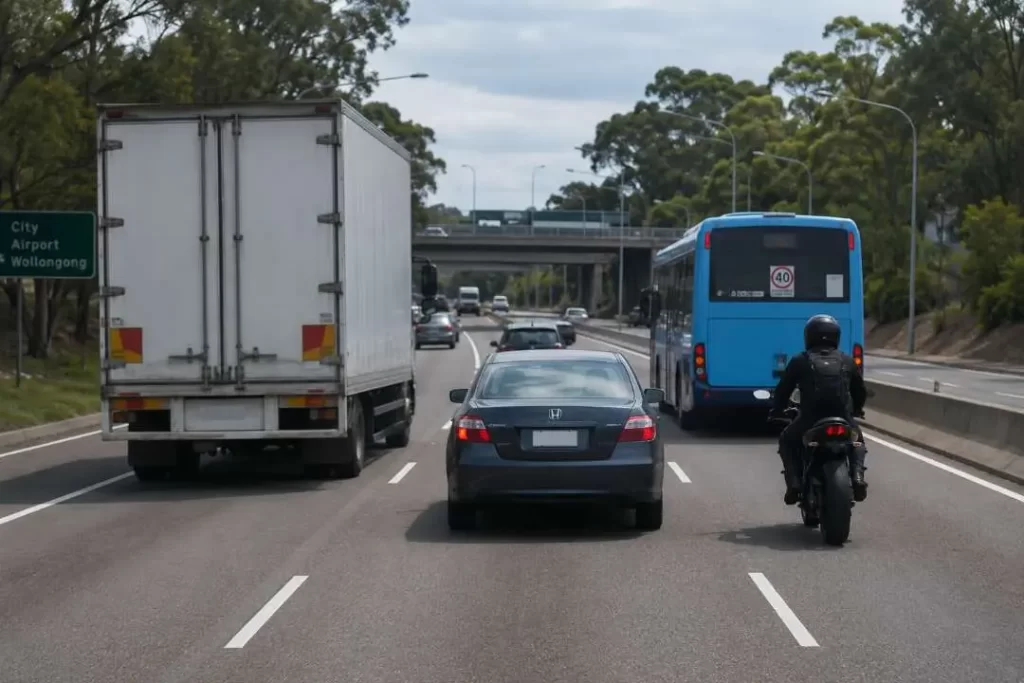
Different vehicles have different visibility, turning and stopping characteristics. Understanding these differences makes it easier to share busy Sydney roads without unnecessary conflict.
Passenger-car drivers should avoid assuming that a truck, bus or motorcycle can move exactly like their own vehicle. Giving extra space is usually the simplest solution.
Allow Heavy Vehicles More Room
Trucks and buses can require greater space when turning through intersections or narrow streets. Moving too close to the side of a large vehicle can place your car in an area the driver may not easily see.
Avoid cutting immediately in front of heavy vehicles as well. Their larger size can mean they need more distance to slow down safely.
Look Carefully for Motorcycles
Motorcycles have a smaller profile than cars and may be harder to notice in mirrors. Check blind spots carefully before moving across lanes.
If a motorcycle develops a tyre or mechanical problem, specialist motorcycle towing can transport it without requiring the bike to continue travelling in an unsafe condition.
What to Do When Your Vehicle Feels Unsafe
Safe driving also involves recognising when the car itself has become the hazard. A vehicle may still move even though its steering, tyres, brakes or engine are no longer operating normally.
Do not base the decision on how close you are to home. A few extra kilometres can place additional stress on a component that is already failing.
Consider stopping if you notice:
- Strong vibration through the steering wheel
- Rapid tyre-pressure loss
- Reduced braking performance
- Engine temperature rising quickly
- Grinding or knocking noises
- Large fluid leaks
- Sudden power loss
- Steering that feels unusually heavy
- Multiple warning lights with poor performance
Move to a suitable stopping location when possible and turn on the hazard lights. If the problem cannot be resolved safely, emergency towing may be needed to transport the vehicle without further driving.
Preparing Your Vehicle Before a Longer Journey
Long-distance driving places more demand on both the driver and the vehicle. A quick check before leaving can identify simple problems that would be much harder to deal with later.
You do not need advanced mechanical knowledge to complete basic preparation. Looking at tyres, lights, fluid levels and fuel takes only a short amount of time.
Before a longer drive, check:
- Tyre pressure and condition
- Engine oil level
- Coolant level
- Headlights and brake lights
- Indicators
- Windscreen washer fluid
- Fuel level
- Phone charge
- Spare tyre or repair kit
These checks do not guarantee that a breakdown will never happen. They simply reduce the chance that an obvious problem will interrupt the journey.
How Calm Driving Helps Prevent Risk
Traffic frustration can lead drivers to follow too closely, accelerate aggressively or make unnecessary lane changes. These actions often save very little time but reduce the margin available if something unexpected happens.
Calm driving creates more options. Leaving earlier, accepting minor delays and allowing other vehicles to merge can reduce stress while maintaining better spacing.
This becomes especially useful in congestion. Constant lane changing increases the number of interactions with surrounding vehicles without necessarily making the journey faster.
Road Safety at Night
Night driving reduces the amount of information available to the driver. Pedestrians, cyclists, damaged road surfaces and objects near the roadway may be harder to identify until the vehicle is closer.
Reduce speed when visibility is limited and keep the windscreen and lights clean. Looking beyond the immediate beam of the headlights can also help you recognise movement or changing road conditions earlier.
Avoid staring directly at bright oncoming headlights. Keep attention on your lane and use road markings to maintain a stable position.
What to Keep in Your Car for Unexpected Problems
Even careful drivers can experience a mechanical fault or flat tyre. Keeping a few useful items inside the vehicle can make an unexpected stop easier to manage.
Consider carrying:
- Phone charger or power bank
- Torch
- High-visibility vest
- Drinking water
- Basic first-aid kit
- Tyre pressure gauge
- Vehicle handbook
- Emergency contact details
Keep important items somewhere accessible rather than buried underneath luggage. They are most useful when you can reach them without standing beside moving traffic for long periods.
Building Better Road Safety Habits
Safe driving is not based on one perfect journey. It develops by repeating good habits until they become part of normal driving behaviour and influence everyday decisions behind the wheel.
The strongest road safety practices are simple enough to follow every day. Checking mirrors, allowing more space, watching further ahead and avoiding risky road use can collectively reduce unnecessary danger for drivers and other road users.
Drivers should also be willing to change plans when conditions change. Arriving slightly later is usually better than rushing through poor weather, driving while fatigued or continuing with a vehicle that is no longer behaving normally.
FAQs For Road Safety Practices
What are the most important road safety practices?
Maintaining safe distance, adjusting speed to conditions, checking blind spots and avoiding distractions are important daily habits. Vehicle maintenance and staying alert are equally valuable.
How can drivers help with preventing road accidents?
Drivers can support safer roads by looking further ahead, leaving enough space and responding early to changing traffic. These road safety practices encourage smoother, more predictable driving and give surrounding road users more time to react.
Why is following distance important?
Maintaining a safe following distance is one of the most important road safety practices because it provides extra time to brake when traffic suddenly slows. Additional space is especially useful in wet weather, darkness and heavy traffic.
How does vehicle maintenance improve road safety?
Tyres, brakes, steering and lights affect how well a car responds to hazards. Regular checks can identify some problems before they become roadside failures.
What should I do if my car becomes unsafe to drive?
Move to a suitable stopping area when possible and avoid continuing if steering, braking, tyres or engine performance have been seriously affected. Following good road safety practices includes knowing when to stop and arrange professional assistance.
Why should I check blind spots?
Mirrors cannot show every area around the vehicle. Regular blind-spot checks are an important part of road safety practices because they help identify motorcycles, cyclists or cars before changing lanes.
What should I carry for a roadside problem?
A phone charger, torch, high-visibility vest, water and basic first-aid supplies can be useful. Keeping these items accessible supports practical road safety practices when an unexpected roadside problem occurs.